Orchid Lakes
BackOrchid Lakes is a long‑established carp fishery that appeals to anglers who want a serious challenge with a realistic chance of meeting genuinely impressive fish rather than simply filling a net. Set around mature former gravel pits with purpose‑built swims, it has earned a reputation as a specialist venue where carp fishing is about watercraft, patience and respect for the stock rather than chasing easy numbers.
The complex centres on Orchid Lake itself, a mature water of roughly seventeen acres with around twenty‑eight swims laid out to make the most of bars, plateaux and other underwater features that hold fish throughout the year. This layout means that many pegs have clearly defined spots to work with, which experienced anglers often see as an advantage, but it also means that success is rarely random. Regulars highlight the need to spend time with a marker or a leading rod and to identify pockets in and around the weed where a bait can be presented cleanly, an aspect that makes Orchid Lakes feel closer to a traditional big‑fish water than a casual commercial pond.
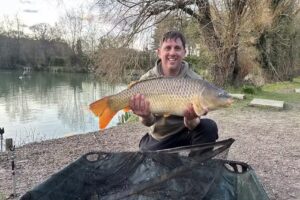
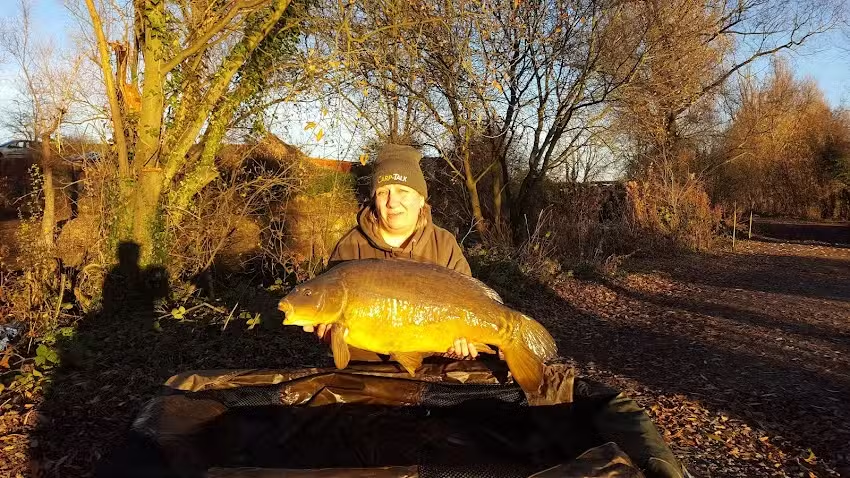
The stock profile is one of the main reasons Orchid Lakes draws repeat visitors. Sources describe a large head of fish with an average weight in the low‑ to mid‑twenties and a substantial number of thirties, backed by a handful of carp pushing well past that mark. Over the years the venue has gained the informal label of a home of the thirties thanks to dozens of individual fish over thirty pounds and a track record of producing new big fish as they grow on. For anyone targeting specimen carp, this combination of numbers and top‑end size makes the water a realistic yet demanding proposition.
Modern visitors often remark that the venue has moved on from its more mixed past and now presents itself as a tidy, well‑looked‑after complex. Anglers talk about clean, mud‑free swims, improved bank work and attention to cutting back trees and foliage without losing the enclosed, intimate feel of the water. There are also notes about certain key swims being given extra comfort touches such as solar‑powered lighting, power and heating for colder months, which appeals to long‑stay anglers who value a bit of practicality when planning a 48‑ or 72‑hour carp session.
The management team, including the current owner and on‑site bailiffs, is frequently mentioned as a major positive. Reviews describe them as welcoming, hands‑on and visible around the lakes, checking on anglers, offering advice and dealing quickly with any issues on the bank. This approachable attitude can make a difference for visiting anglers who may be unfamiliar with Orchid’s particular features, weed growth and patrol routes of the bigger fish. Helpful guidance on where the fish have recently been showing, how to approach the weed and how to keep rigs safe in snaggy areas can shorten the learning curve while still keeping the water far from a soft option.
Facility‑wise, Orchid Lakes offers more than just water and swims, which helps justify its standing as a destination venue. There is a fishery lodge close to the main car park that incorporates a reception area, toilets, showers and a small kitchen setup for hot food and drinks. On site you will also find a compact tackle shop stocking essential carp fishing bait, end tackle and bits that cover the items anglers are most likely to forget, such as leads, hooklinks or terminal components. This arrangement means that an angler arriving for a longer session does not necessarily have to leave the site once rods are out, and minor gaps in preparation can be covered with a quick visit to the shop.
Access and movement around the fishery are also thoughtfully arranged. There is a hard‑standing car park and an access track looping around the specimen lake, which makes it easier to get gear to most swims. In addition, anglers mention the availability of a buggy service to move tackle for those on longer stays or those choosing pegs farther from the car park, reducing the need for heavy barrows and making Orchid more accessible to those who might otherwise struggle with long walks. For many visiting carp anglers, particularly on multi‑day sessions, this level of support is a genuine practical advantage over more basic day ticket lakes.
The fishery rules reflect the big‑fish ethos and prioritise fish care and safety over convenience. Only barbless or micro‑barbed hooks are permitted, with no bent hooks, no fixed leads and lead arrangements that allow the weight to discharge safely in the event of a break‑off. Minimum breaking strains on main line are set relatively high, and braided main line is restricted, the idea being to reduce the risk of tethered fish in the event that a rig becomes snagged in weed or underwater obstacles. These requirements may feel restrictive if you are used to more relaxed commercials, but they align with best practice for modern carp rigs on weedy, snaggy waters holding fish that can easily exceed thirty pounds.
Bait and presentation expectations are similarly specific. The carp are widely reported to respond very well to high‑quality boilies, especially when fished over beds of particles such as hemp and sweetcorn. Anglers talk about the fish being “boilie eaters” that can respond to heavy, consistent baiting, particularly in the warmer months when they are actively searching out food. Bait boats are allowed within sensible limits, which enables anglers to position rigs precisely on small clearings among the weed, although some purists may view this as diluting the traditional casting challenge that Orchid once presented. Short braided hooklinks, size 6 hooks and drop‑off leads are commonly recommended for balancing hooking efficiency with safety in thick weed.
Weed growth is one of the recurring talking points and a realistic downside for some visitors. During summer in particular, the lake can become very weedy, with dense beds that make finding a clean spot harder and increase the chances of fish becoming entangled during the fight. For confident anglers used to weedy big‑fish venues, this adds a layer of interest and encourages thoughtful line angles, heavier mainline and the use of safe drop‑off systems. Less experienced visitors, however, may find the learning curve steep and can come away from a session without a bite despite being surrounded by quality fish.
The fishery does take steps to manage this aspect. Bank teams work on trimming bankside vegetation and, according to visiting anglers, are also turning increasing attention to managing weed levels while trying not to compromise the natural character of the lake. Bailiffs have access to boats to help free fish if they become weeded during the fight, and anglers are encouraged to report problems rather than attempt risky manoeuvres themselves. This kind of active support helps manage the inherent risks of fishing a weedy, mature pit, but those expecting billiard‑table clarity may still find Orchid challenging.
The catch expectations at Orchid Lakes are deliberately realistic rather than sensational. Many sources talk about one or two fish per session as a sensible benchmark, with the possibility of more if conditions align and the angler is on the fish. This underlines the fact that Orchid is not aimed at those who want constant action on light gear; it is more suited to anglers who are content to wait out a quiet spell in exchange for a very real chance of a memorable big carp. For some, that trade‑off is precisely what they seek; others, particularly newer anglers, might prefer a more heavily stocked water where runs fishing is the norm.
A further aspect to consider is that the complex has been through changes in ownership and management in recent years, including a period when it was temporarily closed. Some long‑standing anglers had mixed experiences under earlier regimes, with reports of less polished facilities and a slightly harsher atmosphere on the bank. More recent feedback, however, is markedly more positive, with visitors highlighting a friendlier welcome, attentive staff and visible investment in infrastructure and landscaping. For potential visitors, this shift suggests that older stories about the fishery may no longer reflect the current reality.
Club Lake, the smaller water on the complex, offers a different flavour of fishing. At roughly an acre and a bit with a handful of pegs, it holds both carp and a notable head of sizeable catfish, including fish reported to around seventy pounds. This makes it a slightly more varied coarse fishing option for those who enjoy targeting powerful catfish alongside carp, though its more compact size and mixed stock may not appeal to anglers who prefer the open‑water feel and single‑species focus of the main lake.
From a practical point of view, the presence of on‑site showers, toilets and sheltered seating makes Orchid Lakes viable for longer stays in comfort. CCTV coverage and the owner’s house being positioned by the entrance also contribute to a sense of security, something many night anglers appreciate when leaving vehicles and high‑value tackle unattended in car parks. These elements do not directly impact catch rates, but they form part of the overall carp fishing venue experience and can influence an angler’s decision when comparing Orchid with other commercial fisheries in the region.
Balancing positives and negatives, Orchid Lakes stands out as a serious destination for anglers who value character, history and the chance of quality fish over sheer volume of bites. The strong points include impressive stock, mature surroundings, a supportive management team, solid facilities and added conveniences such as a small carp tackle shop and buggy transport. On the other hand, significant weed growth, the technical nature of the fishing and a learning curve that can feel unforgiving to newcomers mean that it will not suit every angler. For those comfortable with stepping up to a more demanding water, however, Orchid Lakes presents a genuinely rewarding option within the landscape of UK carp lakes, offering sessions that can live long in the memory when preparation, timing and conditions finally come together.