Parc Penallta Fishing Ponds
BackParc Penallta Fishing Ponds offer a coarse angling experience that balances peaceful surroundings with some practical challenges that visitors should understand before deciding whether it is the right venue for their next session. anglers who value quiet banks, varied coarse fishing species and a wildlife‑rich setting tend to speak highly of the ponds, while those who prioritise easy access, on‑site facilities and strongly managed rules sometimes find aspects of the venue less convenient or consistent.
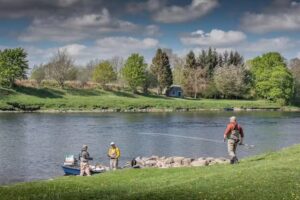
The ponds form part of a wider reclaimed landscape that has matured into a green, wildlife‑friendly environment, and this directly benefits the quality of time spent on the bank. Many visitors describe the area around the water as tranquil, with birdsong, views across the park and a general sense of calm that makes short evening sessions or longer days with the family feel genuinely relaxing. For some anglers, the chance to combine a few hours on the fishing lakes with a gentle walk, photography or simply watching the birdlife is a major reason to return regularly, especially when compared with more intensively developed commercial venues that can feel crowded or noisy.
In terms of the water itself, Parc Penallta Fishing Ponds consist of two coarse pools of roughly an acre each, controlled by local angling clubs through the Rhymney Valley Federation of Angling Clubs. This club‑based arrangement means the venue is more akin to a traditional community fishery than a heavily commercial day‑ticket complex, which has implications for both the atmosphere and how the water is managed. Anglers who appreciate a stronger sense of local stewardship and a quieter, less pressured setting often find this club structure appealing, though it does mean that casual visitors need to check access arrangements rather than just turning up with a rod and expecting to fish.
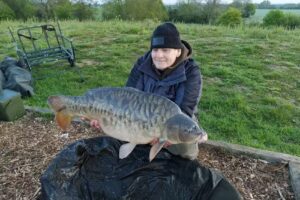
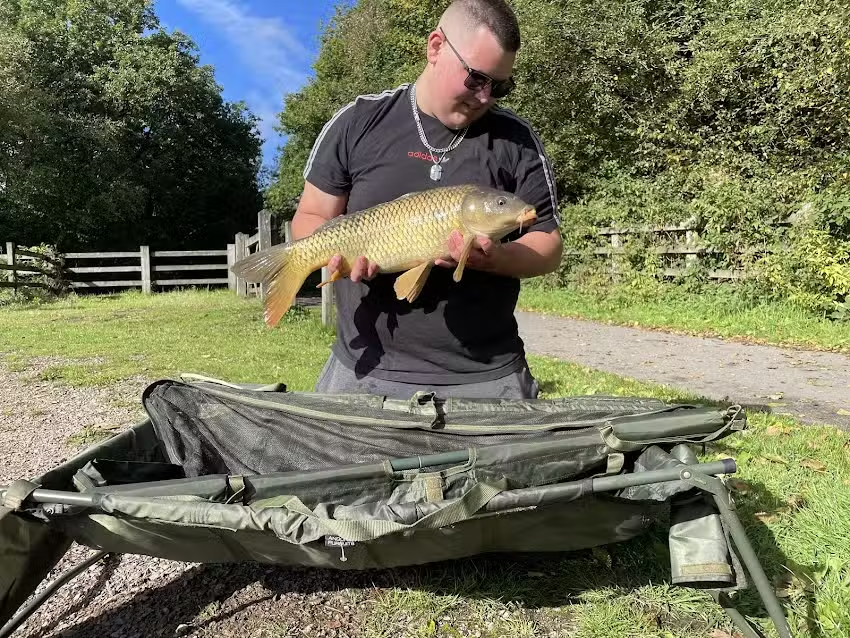
Stocking at Parc Penallta is one of its stronger points, especially for those who enjoy mixed‑species coarse fishing rather than purely specimen hunting. The ponds were originally stocked with silver fish, perch, carp, bream and tench, and over roughly two decades the fish have matured to provide solid sport across a range of methods. Reports from regulars mention good bags of bream and roach on lighter tackle, suggesting that simple whip or waggler tactics with careful feeding can keep the float going under throughout a session. Carp, including common and mirror strains, are present alongside tench and perch, which gives the venue enough variety to keep both pleasure and club anglers interested over repeat visits.
Because the ponds are managed under an agreement between several clubs, there are specific rules that shape the character of the fishing. No keepnets are allowed and competitions are not held here, so match‑style line‑ups of anglers are replaced by more spaced‑out pegs and a focus on relaxed, individual sessions. Barbless hooks are required, reflecting a clear emphasis on fish welfare and sustainable angling practice; for visitors who value careful handling and the long‑term health of the stock, these rules are likely to be seen as a positive sign. However, anglers who prefer formal matches or who are used to using keepnets for weighing and photos might perceive these restrictions as limiting, especially if they are comparing the venue with heavily match‑oriented fisheries elsewhere in South Wales.
Access and logistics are areas where Parc Penallta Fishing Ponds receive mixed feedback. The waters sit a short walk from nearby parking areas rather than immediately beside a large car park, and several reviewers note that carrying full gear from the car to the pegs feels like a bit of a trek, particularly if you use a seatbox, heavy bait, or multiple rods. For younger or more mobile anglers this walk is often just part of the day, but for those with limited mobility or heavier kit it can be a genuine drawback compared with drive‑to‑peg commercial fishing venues. On the positive side, the lack of cars immediately next to the water contributes to a quieter bank, reducing noise and movement around the pegs, which many regulars regard as a fair trade‑off.
The surrounding parkland brings both benefits and some minor disadvantages from an angling perspective. On the plus side, the area is known for its wildlife, and visitors frequently mention waterfowl, birds of prey and a general abundance of nature in and around the ponds, which adds extra interest to long days on the bank. Paths, boardwalks and routes through the park mean that non‑fishing family members can enjoy walking, sculptures and viewpoints while others focus on the fishing ponds, making it easier to plan a mixed‑activity day out. On the other hand, the popularity of the wider park means that walkers and dog owners share the space, and some comments about dog mess and occasional poor behaviour highlight that not every visit feels perfectly maintained or free from nuisance.
User opinions on the general condition and cleanliness of the area around the ponds vary, reflecting differences in expectations and the inevitable impact of public use. Many anglers describe the surroundings as clean and well kept, praising the sense of calm and the opportunity to sit quietly by the water, while others criticise some sections of the park for litter or dog mess when visitors do not use the provided bins. For a potential customer this suggests that standards are generally good but can fluctuate depending on time of year, weather and how considerate other members of the public are on any given day. Those seeking a perfectly manicured commercial carp fishery might find the more natural, semi‑wild feel slightly less polished, while anglers who prefer a less artificial environment often see this as part of the venue’s charm.
From a safety and comfort standpoint, the ponds benefit from being part of a recognised country park with established paths and open sightlines, which many visitors find reassuring when visiting alone or with family. Benches and resting spots around the wider area make it easy to break up longer walks, and there is mention of a café within reach of the park where visitors can get drinks and snacks, a useful addition if you are planning a full day of fishing without wanting to carry all of your provisions. However, because the ponds are not run as a fully commercial complex, anglers should not expect extensive on‑site tackle shops, permanent staff on the bank or large shelter structures at the pegs; a degree of self‑sufficiency is important.
In terms of who is likely to enjoy Parc Penallta Fishing Ponds most, several profiles stand out. Pleasure anglers looking for steady sport from bream, roach and mixed species on simple float or feeder tactics will find plenty of potential here, especially if they appreciate a quieter setting that feels more like a club water than a busy day‑ticket fishery. Families or casual anglers who want to combine a short session on the fishing lakes with walking, picnics and nature‑watching should also find the venue attractive, provided they are comfortable with the walk from the car and bring suitable footwear and clothing for an outdoor, park‑style environment. In contrast, specialist carp anglers chasing very large specimens, or those who prefer peg‑side parking and intensive management, may decide that other commercial carp lakes in the region suit their expectations better.
Because access is controlled through local clubs, anyone considering a visit should familiarise themselves with membership or day‑permit arrangements, and with the specific rules that apply to the ponds. The bans on keepnets and competitions, together with the barbless‑only policy, are central to how the venue is run; ignoring them risks not only spoiling your own session but also affecting the wider health of the fishery. For many anglers, these restrictions underpin the long‑term quality of the fish stock and help preserve the relaxed feel of the banks, so they are seen as part of what makes Parc Penallta different from more heavily used commercial fisheries.
Overall, Parc Penallta Fishing Ponds stand out as a modest‑sized, club‑managed coarse venue with a strong sense of place and a mixed reputation that depends heavily on what each angler values most. Those who rate peaceful surroundings, varied coarse fishing and a more natural environment typically speak very positively about their sessions, highlighting good bags of fish, friendly local anglers and the wider appeal of the parkland setting. At the same time, the walk from parking to the pegs, the absence of intensive commercial facilities and the shared use of the area with dog walkers and other visitors can be drawbacks if convenience and tightly controlled conditions are your top priorities. For potential customers weighing up where to spend their time and money, Parc Penallta offers an honest, club‑style fishing pond experience with clear strengths and some practical compromises that are worth considering in advance.