
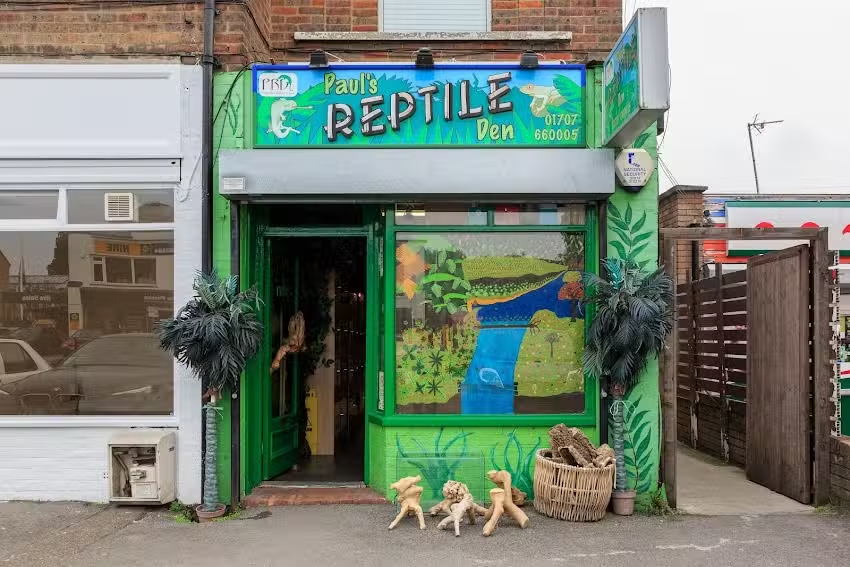
Paul’s Reptile Den
BackPaul's Reptile Den is a specialist reptile shop that focuses on providing healthy animals, practical equipment and patient advice for anyone interested in keeping reptiles and exotic pets. The premises are compact but densely stocked, and the owner is usually present, giving the business a strongly personal character. Visitors tend to remember detailed conversations about animal care rather than a quick retail transaction, which is a clear strength for first‑time keepers and younger enthusiasts. At the same time, this hands‑on, owner‑led approach means that the experience you have in the shop can depend heavily on when you visit and how busy it is.
The shop’s layout reflects its focus on live animals and essential reptile‑keeping supplies rather than general pet products. Vivariums, enclosures and displays show a range of reptiles such as leopard geckos and tortoises, and customers often comment that the animals look alert and well cared for. There is also a selection of decor, substrates and husbandry items to help create suitable environments at home. While you will not find every possible accessory or brand on the market, the range is carefully chosen for practicality rather than for sheer variety, which suits customers who prefer clear, guided choices over long aisles of similar products.
One of the most frequently mentioned positives is the level of personal attention offered to families and younger hobbyists. Parents describe how Paul takes time to speak directly to children, letting them choose their new reptile without pressure and answering questions in detail. Explanations about habitat, diet, handling and long‑term responsibility are given in plain language rather than rushed technical jargon. This patient style of service can turn what might have been a disappointing situation with another retailer into a memorable experience, especially around key moments such as Christmas or birthdays.
Customers who return regularly for live food notice a consistent willingness to offer practical tips rather than just complete a sale. Young keepers, including teenagers building up their experience with reptiles, comment that repeated visits for crickets and other feeders come with new pieces of advice each time. The shop becomes not just a source of supplies but also a place to ask about behaviour changes, enclosure upgrades or health concerns. For owners who value ongoing support, this builds trust and encourages responsible reptile keeping.
In terms of livestock, Paul's Reptile Den is particularly associated with tortoises and leopard geckos, but the offer is not limited to these species. Customers report receiving animals that are active, feeding well and comfortable with handling soon after purchase. The shop is honest about the limits of sexing very young tortoises and other reptiles; in at least one case a tortoise initially believed to be male later turned out to be female. This reflects a genuine challenge in the hobby rather than negligence, but it is a reminder that future changes are possible when buying juvenile animals, and prospective owners should consider this when choosing a pet.
The atmosphere inside the shop is informal and friendly, with the owner usually engaging in conversation rather than standing behind a counter. For some visitors this relaxed style makes the experience more enjoyable and less intimidating than a large chain store. However, it also means that there can be waiting times if another customer is receiving detailed advice or making a complex purchase. Those who prefer to browse quietly might feel confined if the shop is busy, as the space is relatively limited and focused more on enclosures and animals than on wide open retail areas.
Another strong point lies in the guidance given before buying a reptile. Prospective owners are often talked through enclosure size, heating, lighting, diet and long‑term costs before any decision is made. The emphasis is on realistic expectations rather than impulse purchases. For families, this can be particularly valuable, as it helps parents understand the commitment involved and assess whether their children are ready. On the downside, anyone looking for a quick, transactional purchase without discussion may find this approach slower than they would like.
Alongside animals and equipment, the shop provides a steady supply of live insects and other reptile foods, an essential resource for local keepers. Regulars mention that they can rely on obtaining crickets and similar feeders, which is crucial for species that require a constant food supply. Stock levels are generally described as good, but, as with any small specialist retailer, very specific items or less common feeders may need to be ordered in advance. Customers who keep multiple species with varied diets might occasionally need to supplement their purchases elsewhere, though the core staples are well covered.
Customer service is strongly shaped by the owner’s personality. Many reviews highlight kindness, generosity and the occasional small gesture, such as including a starter supply of food with a new pet. These touches help new owners feel supported during the crucial first week of settling an animal at home. The shop’s reputation has been built over time through word of mouth and positive experiences rather than large‑scale advertising, and repeat customers are common. However, this reliance on one person can also mean that if the owner is away, service may not feel as tailored, and there may be less flexibility for special requests.
Compared with larger chains that sell reptiles alongside a broad mix of pet products, Paul's Reptile Den focuses tightly on reptile welfare and specialised advice. Shoppers who value low prices above all else might occasionally find better deals online for standard items like bulbs or decor, but they will miss out on local, context‑specific guidance. The shop’s added value lies in correcting misinformation, recommending realistic setups rather than the absolute cheapest options, and helping customers avoid common mistakes. For many, this combination of stock and knowledge justifies choosing a specialist over a generic pet outlet.
The shop’s online presence, anchored by a social media page rather than a large e‑commerce platform, serves mainly as a way to share updates, photos of animals and basic information. This suits local customers who prefer to visit in person and talk through their needs. Nevertheless, it can be a limitation for those who would like to browse a complete product list or check availability before travelling. Potential customers who live further away may find it harder to know what is currently in stock, and they may need to rely on messages or calls to confirm details ahead of time.
Another aspect to consider is that, because the business is so heavily driven by personal expertise, the overall experience depends on how much you want to ask and learn. Enthusiasts who enjoy detailed conversations about lighting spectra, substrate types or enclosure layouts will likely find plenty to talk about. In contrast, casual buyers who simply want basic equipment and minimal explanation may find the level of discussion more than they expected. The shop aims to encourage responsible ownership, which sometimes means that staff will ask questions in return, particularly when they are concerned about the welfare of the animals being purchased.
For people new to reptiles, Paul's Reptile Den offers a reassuringly thorough introduction to the hobby. For more experienced keepers, it provides a convenient source of live food, replacement equipment and an opportunity to check ideas with someone who handles reptiles daily. The main limitations stem from the natural constraints of a small, specialist shop: limited floor space, a product range curated rather than exhaustive, and opening hours that may not suit everyone. Weighing these factors against the quality of service and the evident care taken with the animals helps potential customers decide whether this particular style of business fits their expectations.
Overall, Paul's Reptile Den stands out for its personal service, knowledgeable advice and emphasis on animal welfare, especially for families and younger reptile keepers. Its strengths are closely tied to being a small, owner‑run business: friendly, flexible and focused, but also subject to the limitations that come with that scale. Anyone considering a reptile or looking for ongoing support with an existing pet is likely to find the visit worthwhile, provided they appreciate the consultative style and understand that the experience is built more around conversation and care than around fast, anonymous retail.