Plymouth Boat Fishing
BackPlymouth Boat Fishing focuses on taking people out onto the water for practical, no‑nonsense sea angling, with trips that appeal to both newcomers and experienced anglers who want a straightforward way to reach productive marks without having to worry about tides, navigation or boat handling. From the feedback available, the operation is small and personable rather than a large charter fleet, which means outings often feel relaxed and tailored rather than rushed or over‑crowded.
The skipper is regularly described as knowledgeable, professional and accommodating, which matters a great deal when you are trusting someone with your time at sea and your chance of connecting with quality fish. Instead of relying on generic commentary, guests consistently highlight how the skipper’s experience shows in the way he positions the boat, chooses rigs and gives advice on reading the conditions, making it easier for less experienced anglers to handle heavier leads, tide runs and bites at depth. For many people, this kind of hands‑on support is just as important as the boat itself.
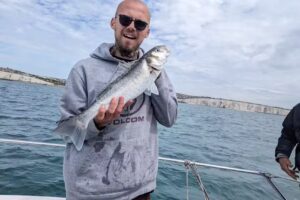
In terms of the fishing itself, trips are typically structured around productive local grounds rather than long, tiring runs offshore, which suits those who want more time with a line in the water and less time steaming. Species and techniques can vary by season, but visitors commonly come with expectations that they will be able to target cod, pollack, bass, rays and other inshore species using a mix of bait fishing and simple lure work, supported by the skipper’s suggestions. This can be especially helpful for anglers who are more used to fishing tackle designed for lakes and rivers, as sea angling often demands sturdier gear, heavier weights and different bite detection.
The set‑up is particularly attractive if you are interested in a first experience of chartered sea fishing without committing to long multi‑day trips or highly technical offshore sessions. Summer outings tend to focus on lighter clothing, more comfortable conditions and the chance of mixed bags of fish, while winter trips appeal to those who enjoy a challenge in cooler weather and the possibility of hard‑fighting seasonal species. Guests who have fished at different times of year mention that each season offers its own character, which makes repeat visits worthwhile if you enjoy experimenting with different rigs and baits.
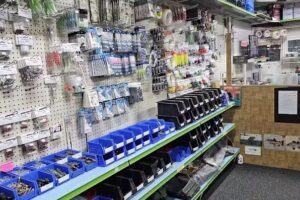
Because the business is centred on the boat experience rather than a shop front, you should not expect a full‑scale fishing shop on site. Anglers who already own their own fishing rod and fishing reel often bring them along, adjusting their set‑ups with the skipper’s advice so they are better suited to local depths and tides. Those with limited gear can usually be accommodated, but the overall feel is that you are stepping onto a working angling boat rather than entering a retail outlet with rows of fishing lures and accessories for sale. For some people this is a positive, keeping the focus on catching fish, but it does mean you should think ahead about clothing, waterproofs and any specific tackle you prefer.
On the positive side, the small number of online reviews that exist are uniformly high, which suggests that customer satisfaction is strong among those who do leave feedback. Guests describe their outings as stand‑out highlights of time spent in the region, particularly praising the calm attitude of the skipper, clear safety briefings and the way he balances giving advice with letting people fish at their own pace. For those who are used to crowded piers and banks, having space to work a fishing rod properly without tangling lines with strangers can feel like a major upgrade.
However, the limited amount of public feedback is also a point to weigh up. With only a small number of published opinions, it is difficult for potential customers to gauge how the service performs under a wide range of circumstances, such as very busy high‑season days, mixed‑ability groups, or challenging weather. A consistently high score is encouraging, but when only a few people have rated a business, it can be harder to know how representative those experiences are. Cautious customers might prefer more detailed third‑party commentary before deciding to fill a whole boat with friends or family.
Facilities on board are described as practical and focused on what anglers actually need, rather than luxury. There is space for multiple anglers to fish along the rails, tackle and bait can be kept organised, and the skipper’s own fishing gear is available as a reference point for choosing rigs and presentations. That said, this is still a working angling vessel, so anyone expecting the comfort of a leisure cruiser with plush seating and extensive indoor areas may find it more basic than they imagined. The emphasis is on function: somewhere to store your fishing tackle, keep your catch cool, and move around safely while you’re playing fish.
For beginners, one of the main advantages is the chance to handle sea fish under the supervision of someone who knows how to unhook, handle and dispatch them correctly. The skipper offers guidance on how to tighten up on bites, play a fish steadily, and keep tension in the line when using modern spinning rods, soft plastics or baited rigs. This can be invaluable for those who up to now have mainly used lighter fishing rods for coarse or trout fishing, and find the weight of sea leads and the power of tidal species a little intimidating.
Experienced anglers, on the other hand, often appreciate the local knowledge more than the instruction. The surrounding coastline presents a variety of reefs, sandbanks and mixed ground where the difference between a blank session and a productive one can be a matter of anchoring correctly or drifting at just the right angle. Chartering with someone who regularly works these marks means you spend less time searching and more time making productive drops with your chosen fishing lures or natural baits. For technique‑driven anglers who enjoy fine‑tuning rigs, this can be the difference between picking up the odd fish and building a respectable tally.
From a practical perspective, Plymouth Boat Fishing compares favourably with many other small charter operations in terms of approachability and responsiveness, though this comes with the caveat that availability can be limited at peak times. With a single skipper at the core of the business, popular dates and favourable tides can book up quickly, especially for summer weekends. Potential customers who are planning group trips, stag events or family outings would be wise to make enquiries well in advance and to remain flexible about exact times to suit both weather and tide.
Another point to bear in mind is that, while the business clearly focuses on safety and professionalism, conditions at sea are never entirely predictable. Swell, wind and tide can all affect where the boat can reasonably work on a given day, which in turn influences what species you might encounter and how comfortable less confident passengers feel. Some guests may find choppy days tiring, particularly if they are not used to boat movement, so it is sensible to take seasickness precautions and to wear suitable clothing even if the forecast looks favourable.
For those choosing between this kind of charter and shore‑based sea fishing, the key trade‑off is between cost and access. A boat trip will usually be more expensive than standing on a pier with your own fishing tackle, but it gives you the opportunity to fish marks that are otherwise unreachable from land, and to do so under expert guidance. When the skipper is prepared to share advice on knot choice, bait presentation and how to work different fishing lures, the outing effectively doubles as informal coaching as well as a day’s sport.
There are also benefits for anglers who are thinking of upgrading their own equipment. Seeing how the skipper rigs up his own fishing rod, which weights he prefers in certain tidal runs, and how he balances reels and rods for longer days afloat can help you decide what to buy next from your preferred fishing shop. Being able to test your existing fishing reel and line against stronger fish and rougher ground often exposes weaknesses that might not show up when casting for smaller species closer to shore.
On the downside, the absence of an on‑site retail operation means you cannot simply turn up empty‑handed expecting to browse a full range of fishing tackle before boarding. While some basic items may be available or loaned, the general expectation is that serious anglers will equip themselves beforehand, particularly with suitable clothing, footwear and any specialist rigs they favour. Families and occasional anglers might prefer clearer information in advance about what is provided and what is not, so that nobody is disappointed when they step aboard.
Overall, Plymouth Boat Fishing presents itself as a straightforward, skipper‑led charter option for people who want to spend meaningful time at sea with a rod in hand, supported by someone who understands both the local grounds and the needs of mixed‑ability parties. Strengths include a friendly, experienced skipper, trips that have left a strong positive impression on guests, and a focus on practical sea angling rather than frills. Limitations include a relatively small number of public reviews, the lack of a walk‑in fishing shop element, and the inherent variability that comes with any small boat operation dependent on weather and tides.
For potential customers who value personal attention, hands‑on advice and a clear emphasis on real sea fishing rather than sightseeing, this business offers a focused and evidently well‑run option. Those who prefer large‑scale operations with extensive on‑shore facilities, or who need a long track record of hundreds of ratings before making a decision, may feel they would like more publicly available information. Weighing up the strong experiential feedback against the small scale of the operation, Plymouth Boat Fishing stands out as a charter that prioritises angling substance and skipper expertise, leaving prospective visitors to decide whether that balance suits the kind of day at sea they have in mind.