Pockeridge Lakes
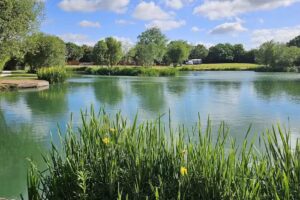
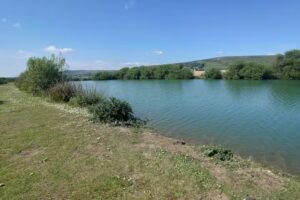
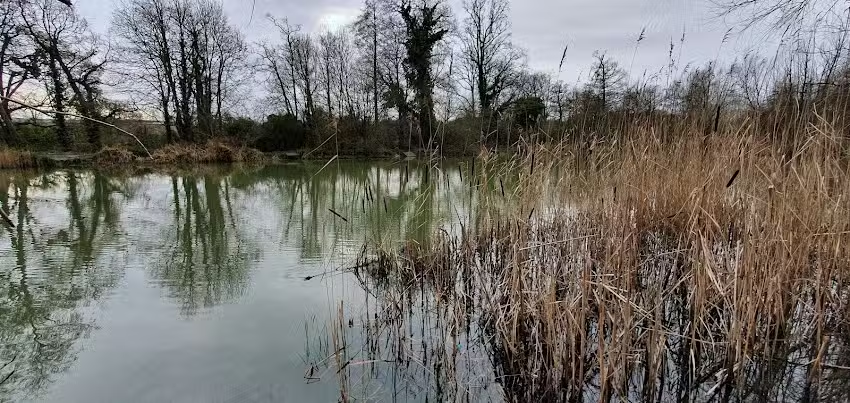
BackPockeridge Lakes operates as a mixed-use fishery and public walking area, offering coarse anglers accessible waters while also serving as a green space for local dog walkers and families. The venue is managed by Chippenham Angling Club, and this dual purpose shapes both its strengths and its drawbacks for anyone considering it for their next fishing trip.
From an angling perspective, Pockeridge Lakes has clear appeal for coarse fishing enthusiasts. Regular visitors highlight that the lakes hold carp up to around 20lb, which makes the venue attractive for anglers targeting specimen carp without travelling to larger commercial complexes. The bottom lake in particular has a reputation for being densely stocked with silver fish, with anglers reporting bags of over 20lb of roach and rudd in the 4–6oz bracket on relatively short sessions. For those who enjoy active coarse fishing with consistent bites, this can provide a satisfying day’s sport, especially when using light tackle and simple bread or hemp-based approaches.
The waters at Pockeridge Lakes therefore offer opportunities for several popular styles of carp fishing and pleasure angling. Short-range work using a simple whip or pole set-up can be effective for building weight with small roach and rudd, while traditional float fishing with bread punch over liquidised bread has been reported as particularly productive. Anglers who prefer ledgering or feeder fishing for carp can treat the venue as a modest but realistic chance of connecting with double-figure fish. Although it does not market itself as a high-profile specimen water, the presence of carp approaching 20lb means that a well-presented hair rig, balanced hookbait and careful baiting strategy can still be worthwhile for more experienced anglers.
Because the venue is controlled by an angling club rather than a purely commercial fishery, the atmosphere is somewhat different from highly managed day-ticket waters. Some visitors appreciate this, describing it as a “nice little lake” that feels more natural and less manicured. There is space to walk around the lakes, and the surrounding woodland and paths mean a fishing session can be combined with a gentle stroll, which may appeal to anglers who visit with partners, children or dogs. The tarmac drive that links local areas provides easier access for people who prefer a smoother approach rather than rough tracks, and it also makes the wider site more wheelchair friendly, which is not always the case at smaller fisheries.
However, the same features that make Pockeridge Lakes accessible can be a disadvantage for anglers seeking a quiet, dedicated fishing venue. The lakes sit close to a housing estate and are used regularly by the public as a dog walking and family route. This means fishermen are likely to encounter a steady flow of walkers passing behind pegs, as well as dogs running close to the bank. Some anglers find this disruptive, especially if they are concentrating on delicate pole fishing or casting to specific spots. Reports mention that background noise from nearby events and general estate activity can carry across the water, reducing the sense of isolation that many coarse anglers value when targeting wary carp.
Several reviewers also feel that Pockeridge Lakes would benefit from more active management by the angling club. Comments suggest that the fishery “needs some attention”, both in terms of maintenance and day-to-day oversight. While banks and swims are generally usable, feedback implies that vegetation control, swim definition and signage could be improved to help visitors understand where to fish and how to respect the shared nature of the space. For anglers who are accustomed to commercial day ticket carp lakes with clearly pegged swims, regular bailiff presence and well-maintained platforms, Pockeridge Lakes may feel comparatively informal and less structured.
One recurring theme in opinions about Pockeridge Lakes is litter. Some local residents complain that “lazy lakeside fishermen” leave rubbish strewn around the shores, including discarded tackle packaging and even full bags of litter hung from branches. This not only affects the visual appeal of the venue but can damage its reputation with the wider community and potentially harm wildlife. Responsible anglers, especially those familiar with modern specimen carp fishing ethics, may find this frustrating. It underlines the importance of every visitor practising strict leave-no-trace behaviour, taking all waste home and setting a positive example to others using the lakes.
There are also criticisms directed at how the club is run. Some anglers feel that the committee does not always manage the water for the benefit of all members, with claims that particular groups are favoured for match fishing opportunities. While such comments reflect individual views rather than verifiable policy, they do suggest that communication between management and regular anglers could be clearer. Potential new members considering Pockeridge Lakes as part of a club portfolio might want to understand how matches are organised and what typical club culture looks like before committing their time.
On the positive side, the mixed stock of carp, roach and rudd means Pockeridge Lakes can cater to a range of angling abilities. Newcomers to coarse fishing can learn the basics of feeding, striking and playing fish with good odds of regular bites, while more seasoned anglers can refine rigs and baiting patterns to pick out better fish. Light tackle approaches with small hooks and fine lines appear to produce high catch rates of silvers, which is ideal for keeping juniors engaged. For anglers looking to introduce children to fishing lakes that are not overly pressured yet still hold quality fish, Pockeridge Lakes can be a reasonable option, provided they are comfortable sharing space with walkers and keeping an eye on dogs near the water’s edge.
Because the venue is used so heavily by the local community, it functions as both fishery and public green space. For some potential visitors this is an advantage, creating a more relaxed environment than heavily policed commercial complexes. It also means that safety considerations such as fenced railway boundaries and a clearly defined drive are in place, which reassures dog owners and less mobile visitors alike. For others, particularly those who travel specifically in search of quiet carp fisheries, the constant background movement and noise may detract from the experience and make it harder to settle into a focused long-session style of angling.
Anglers who prioritise easy access, steady silver-fish sport and the chance of mid-double carp may find Pockeridge Lakes meets their expectations, especially if they approach it as a relaxed pleasure venue rather than a heavily stocked commercial. Those who are looking for meticulously maintained pegs, strict fishery rules and minimal public disturbance may feel less satisfied and could perceive the site as under-managed. In that sense, it occupies a middle ground between traditional club water and fully commercial coarse fishing lakes, with all the compromises that implies.
For potential visitors, a balanced view is essential. Pockeridge Lakes offers realistic opportunities for roach, rudd and carp, with some anglers reporting excellent silver-fish bags and enjoyable sessions using simple methods. At the same time, it carries several downsides: litter problems that depend on how responsibly others behave, occasional noise and disturbance from nearby housing, and a management approach that some users feel could be more proactive. Anyone considering a day here will benefit from understanding these trade-offs: if they value accessibility and community use, they may appreciate the setting; if they want seclusion and tight fishery control, they might regard it as less suitable.
Overall, Pockeridge Lakes presents itself as a modest but genuine option within the wider UK coarse angling scene. It provides a setting where local anglers, families and dog walkers all intersect, with waters that can offer rewarding sport to those prepared to adapt to the environment. For prospective customers, the key is to align expectations with reality: this is not a purpose-built commercial complex, but a club-controlled lake system with strengths in varied fishing and accessibility, and weaknesses in litter, occasional disturbance and perceived management gaps. Approached with that in mind, it can still deliver a satisfying day’s fishing for those who value relaxed surroundings and mixed-species sport.