
Portsmouth & District Angling Society
BackPortsmouth & District Angling Society is a long‑established fishing club that focuses on offering a broad range of waters and a structured, community‑centred approach to coarse and carp angling. Founded in 1948, it has developed into a sizeable organisation with multiple venues, work parties and coaching initiatives designed to appeal to very different types of anglers, from parents introducing a child to fishing to dedicated specimen hunters looking for challenging sessions on quieter waters.
One of the main strengths of the Society is the variety of waters it controls, giving members access to mixed fisheries, specimen lakes and small rivers within a single membership. The club advertises around 16 venues, including popular names such as Tithe Barn, Abshot Pond, Funtley Pond, Lakeside and Brownwich Pond, so anglers are not tied to a single location or style of fishing. This diversity makes it attractive to anyone interested in coarse fishing, whether they want relaxed pleasure sessions, social club matches or more focused time targeting bigger fish.
For anglers specifically focused on carp, Portsmouth & District Angling Society has some notable waters that raise its profile in the region. Brownwich Pond, for example, is run as a specimen carp fishery, with a reputation for carp over the 30 lb mark in a relatively intimate setting of around four acres, along with a supporting stock of rudd, perch and pike. The Society also promotes Tithe Barn’s top lake as a water with carp exceeding 20 lb, giving club members realistic prospects of catching larger fish without travelling long distances or buying separate day tickets elsewhere. This blend of accessible venues and serious carp potential makes the club appealing to those searching for carp fishing opportunities with genuine growth in fish size.
The structure and management of the waters is another positive point often highlighted by those familiar with the Society. Each water is said to operate under a five‑year plan that focuses on stocking levels, habitat improvement and long‑term fish welfare, which suggests an organised approach rather than ad‑hoc decisions. Regular work parties are advertised to keep pegs fishable, paths clear and vegetation under control, and members are encouraged to get involved, which can create a sense of shared responsibility and pride in the venues. For anyone keen on fishing lakes that are actively maintained, this kind of planning and upkeep can be a significant advantage.
The club places a strong emphasis on family participation and new‑angler development, making it a relevant option for people with children or complete beginners who might find other fisheries intimidating. Junior and coaching sessions, many of them based at Tithe Barn, are run across the season, often with tackle and bait provided at no extra cost and with level‑2 qualified coaches on hand. Some events are tied into national initiatives, such as Get Fishing awards, which adds structure and recognition for youngsters taking their first steps into angling. Parents commenting online describe these junior events as welcoming and patient, with one reviewer noting how much support their six‑year‑old received and how inclusive the atmosphere felt even for complete novices.
The social side of the club extends beyond formal coaching, with fun matches and junior competitions that put enjoyment and fish care above intense competition. Reports of junior fun matches at Tithe Barn describe sessions where swims are chosen for shade and comfort, keepnets are avoided, and catches are estimated so fish can be returned quickly. Prizes often recognise achievements like most species or best improver rather than just overall weight, which can help younger or less experienced anglers feel valued and motivated. For families considering family fishing venues, these details indicate a club culture that prioritises welfare, learning and enjoyment.
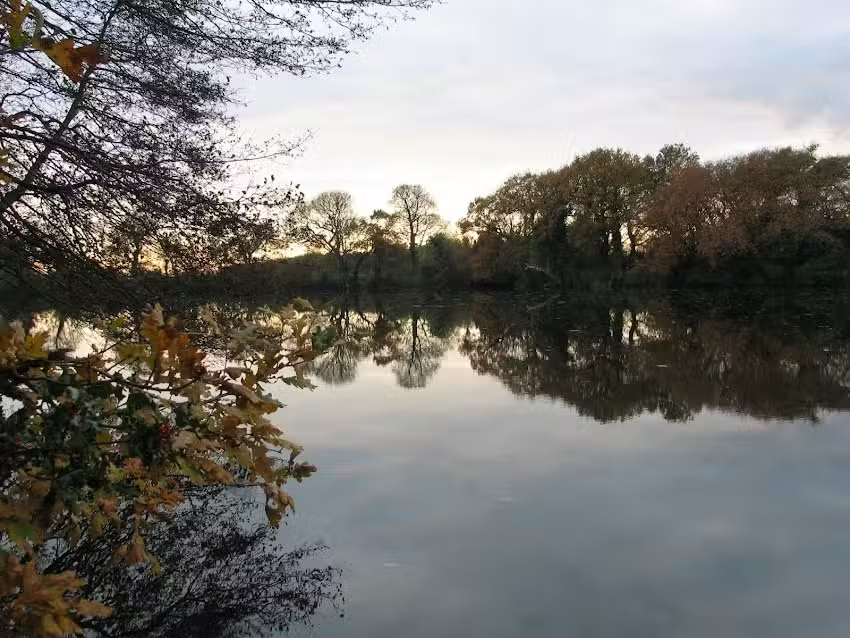
Several of the Society’s waters are praised for their setting and overall appearance, which matters to anglers who prefer a more natural environment. Members describe the lakes as attractive and peaceful, with comments that “all the lakes are stunning”, reflecting a general appreciation for how the venues look and feel during a session. For those seeking fishing holidays or short breaks centred around angling within the region, such feedback suggests that these venues offer not just fish, but also a pleasant backdrop for time spent on the bank.
The club’s online presence helps keep members informed and can be particularly useful for people who are new to the area or returning to angling after a break. There is an active website, a member‑only forum and a public social‑media page where news, event updates and work‑party announcements are posted. This regular communication means anglers can check for coaching days, potential disruptions from events at waters such as Lakeside, and any special rules before setting out. For people searching online for fishing clubs and local fishing venues, such accessible information can influence the decision to join.
Lakeside is a good example of how the Society sets out clear rules to balance angling with other uses of a water. Fishing is limited to the south bank, bait quantities are capped per 24‑hour period, and stays are limited to 24 hours, with night fishing restricted to members. Dogs are allowed but must remain controlled and on a short lead, which shows consideration for other anglers and general visitors. These rules may feel strict to some, but they help maintain order and reduce conflicts, especially on a venue that also hosts external events that can occasionally affect access to certain swims.
Strengths for different types of anglers
Portsmouth & District Angling Society can suit a wide range of anglers because of its mix of waters and structured support. Pleasure anglers benefit from mixed fisheries like Tithe Barn and other ponds that hold a variety of species, providing consistent action for those content with regular bites rather than chasing individual specimens. Carp anglers, on the other hand, may be drawn to Brownwich and similar waters with fewer but larger fish, where careful baiting and watercraft are essential, making sessions more tactical and rewarding for experienced anglers.
Parents and guardians considering where to introduce children to angling may find the junior programme particularly attractive. Sessions often supply all necessary equipment and bait, reducing the upfront cost and hassle of sourcing tackle before a child has even decided if they enjoy fishing. The presence of qualified coaches and supportive club members helps create a secure environment where questions are encouraged and mistakes are treated as learning opportunities, which is ideal for young people trying coarse fishing for the first time.
Those who appreciate the community aspect of a fishing club may also value the opportunities to contribute through work parties or simply by engaging on the forum and social channels. Regular newsletters and online updates create a sense of momentum, with news of restocking, events and matches keeping members engaged throughout the year. For anglers who are used to more anonymous, commercial day‑ticket fisheries, the chance to be part of a club where decisions and water improvements are clearly communicated can feel more personal and rewarding.
Points that may concern potential members
Despite many positives, there are some aspects that potential members should consider carefully. One recurring concern, highlighted in a recent review, relates to discarded fishing line at Baffins Pond and its impact on wildlife; the reviewer reported finding metres of line and witnessing birds entangled in it, attributing the problem to irresponsible anglers. While local groups have publicly acknowledged that permitted club anglers often act proactively on welfare issues, this kind of incident shows the importance of every angler disposing of line and tackle safely, and may worry those who place wildlife protection at the top of their priorities.
As with many clubs, not every online rating reflects an informed opinion, and there are occasional low scores that appear to be accidental or unrelated to an actual visit. One reviewer explicitly states that they selected a poor rating by mistake and had not visited the venue, which illustrates how headline scores can sometimes be misleading if read without context. Prospective members may therefore want to read the content of reviews rather than relying solely on numerical ratings, paying particular attention to repeated themes about water quality, fish condition, and the helpfulness of club officials.
Access and rules at some waters may not suit everyone, especially those seeking very flexible or spontaneous fishing. For example, at Lakeside, angling is restricted to one bank and governed by additional conditions such as bait limits and maximum stay durations, partly because the water is shared with other activities. Anglers who prefer completely open banks or fewer restrictions might find this limiting, particularly during periods when external events reduce the number of available swims. However, many club anglers accept such rules as the trade‑off for well‑managed waters and long‑term access.
Another factor to consider is that the distribution of waters means that, although the club carries the name of Portsmouth & District, a large proportion of the venues are actually clustered around the Fareham and Titchfield area. This is ideal for anglers living or working near those locations, but less convenient for anyone who expects most venues to be within the city itself. For potential members evaluating where to base their regular fishing trips, it is sensible to review the map of waters in detail to understand typical driving times.
Overall impression for potential visitors
Taking the available information and reviews together, Portsmouth & District Angling Society presents itself as a well‑organised, member‑focused club that offers genuine variety across its waters. The emphasis on junior coaching, family‑friendly venues and structured fishery management suggests a long‑term vision rather than a short‑term commercial approach. For anglers looking for fishing lakes in the area with a mix of pleasure and specimen fishing, and who value community involvement and clear rules, the Society is likely to feel like a strong candidate.
At the same time, prospective members should be aware that experiences can vary depending on the specific water, the behaviour of other anglers and how busy a venue becomes at peak times. Issues such as discarded tackle and occasional bank restrictions remind visitors that shared responsibility and adherence to rules are vital to maintaining standards at any club water. Reading up on individual lakes, attending an open coaching session, or speaking with existing members can help potential joiners decide whether the balance of structured management, community spirit and range of venues matches what they are seeking from their next fishing club.