Queen Elizabeth Lake
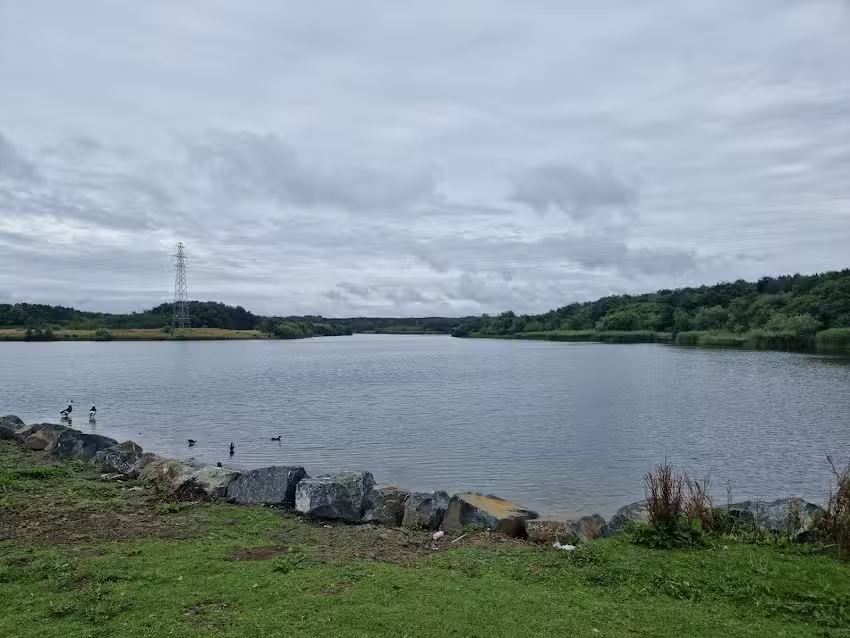
BackQueen Elizabeth Lake at Queen Elizabeth II Country Park is a popular coarse fishing water and leisure spot that attracts anglers, walkers and families looking for accessible outdoor time by the water.
For anyone interested in coarse fishing, this lake stands out as an established venue where local clubs actively manage access, stock and rules to protect the fishery while still welcoming visiting anglers on day tickets. The water is associated with Wansbeck and Cramlington Angling Club, whose members can fish several still waters in the area, including this lake, which underlines its role as a recognised angling destination rather than a casual pond.
Visitors describe the setting as calm and relaxing, with many comments highlighting how pleasant it is to take a quiet walk around the lake or to sit by the bank between bites. Several reviewers mention using the circular paths for a short stroll with friends or family, and dog walkers often choose the lakeside route because it feels open, relatively peaceful and easy underfoot. The park is open at all hours, so anglers can arrive early for dawn sessions, while non-anglers can simply enjoy the scenery and water views at any time of day.
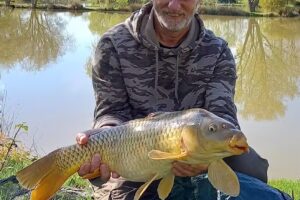
From a fishing perspective, Queen Elizabeth Lake is known as a mixed coarse venue that appeals to anglers targeting species such as carp and pike alongside smaller silver fish. The club rules for the lake require appropriate tackle for larger fish, including a minimum 36″ landing net and unhooking mat when fishing for carp or pike, which indicates there are specimens worth taking care over. Anglers report regular bites and the chance of heavier fish, although as one visitor humorously noted after two sessions with multiple bites and no fish landed, nothing is guaranteed, and the lake can be challenging if fish are cautious or conditions are changeable.
Management of the fishery is quite strict, and this has both positive and negative implications for potential visitors. On the positive side, there is a clear rule set designed to protect fish welfare and the environment: barbless hooks only, no live fish or coarse deadbaits, limits on groundbait, and restrictions on methods such as spinners, plugs or fly fishing in certain contexts. These requirements help keep the water in good condition, reduce damage to fish and minimise litter or excess bait in the margins, which is reassuring for responsible anglers who value a well-kept venue.
On the downside, the same rules can feel restrictive for some styles of predator angling. Pike and carp anglers must follow minimum line strength requirements and cannot use certain baits or tactics that they might employ elsewhere, and there is a designated close season for pike in June and July on this water. For visitors who primarily target predators, this means planning sessions carefully and being prepared to adapt tackle and methods to fit within club guidelines.
The lake operates on a mix of club membership and day ticket access, with clear distinctions between what members and day-ticket anglers can do. For example, only members are permitted to fish with three rods, provided they hold the appropriate licences, while day-ticket anglers are more limited and are not allowed to remain after dusk. Night fishing is tightly controlled and restricted to those who meet club conditions, with rules covering noise, visitors to the bank and the use of stoves, so this is not a venue for informal overnight sessions without prior arrangement.
Bank access is another point where the venue shows both strengths and limitations. There are designated pegs around the lake, and specific pegs are prioritised for disabled anglers, with able-bodied anglers required to move if those accessible spots are needed. The park also offers disabled access routes to the water, but this access is strictly for fishing rather than general sightseeing, which reflects a conscious attempt to keep the banks manageable and safe while still providing inclusive facilities for anglers with mobility needs.
For general visitors, the lake functions as a multi-use space where fishing coexists with walking, picnicking and informal relaxation by the water. Reviews point to a pleasant circuit path, attractive views across the open water and the presence of a nearby pub and hotel, giving people the option to combine a short session on the bank with a meal or drink before or after. Dog walkers frequently comment on how enjoyable it is to walk dogs around the lake, which can create a lively but still fairly relaxed atmosphere along sections of the bank.
For dedicated anglers, this mixed use can be a mixed blessing. The presence of walkers, dogs and occasionally noisy birds, including swans that are known to be bold around anglers, can disturb lines or reduce the sense of seclusion during busy times. A video diary of a session here even shows an angler repeatedly harassed by swans and occasional rats near the bank, highlighting that, like many popular coarse venues, wildlife and shared access come with minor inconveniences alongside the benefits of a rich ecosystem.
Those who value peace and quiet are likely to find the lake more rewarding on weekday mornings or in less busy seasons when footfall around the path is lower. Anglers often prefer these times to make the most of the water without too many lines competing for space or too many walkers crossing behind pegs, and reviews describing “quiet walks” suggest that, outside peak times, the site does retain a tranquil feel. For families and casual visitors, the presence of other people can be reassuring rather than intrusive, creating a sense of safety and shared enjoyment without the isolation that some remote fisheries present.
From a facilities standpoint, the lake benefits from being part of a larger country park, which usually means access to parking and basic amenities nearby. The association with a country park and a local angling club generally implies regular maintenance, litter collection and oversight, which helps keep paths usable and the banks relatively tidy. Nonetheless, anglers should not expect the level of infrastructure offered by fully commercial day-ticket complexes; this is more of a semi-natural, club-managed water where some areas may be uneven or muddy after rain and a bit of self-sufficiency is required.
In terms of angling style, Queen Elizabeth Lake is particularly suited to anglers who enjoy traditional stillwater carp fishing and pleasure fishing for mixed bags of coarse species rather than heavily stocked, high-catch commercial style sessions. Tactics such as float fishing, feeder fishing and careful presentation with modest amounts of groundbait fit well with the club rules and the character of the water, while the requirement for barbless hooks and restricted bait types encourages a thoughtful approach. Anglers targeting larger fish should arrive prepared with appropriate nets, mats and line strengths, as these are compulsory and also best practice when pursuing bigger carp or pike.
For visitors planning a trip, it is sensible to check the angling club’s latest rules and any updates on close seasons, as these can change over time. Prospective guests should also make sure they have the correct national rod licence, as this is a standard requirement on such waters and is explicitly mentioned in the club’s conditions. Because only certain pegs are suitable for some anglers, arriving earlier in the day can increase the chances of securing a preferred spot, especially on weekends or during holidays when both anglers and walkers are more numerous.
Beyond pure angling, the lake’s appeal lies in the way it brings together fishing lakes, country park scenery and accessible walking routes in one compact site. Families with an angler in the group can spend time on the water while others enjoy the paths, nearby hospitality and open spaces, which adds flexibility for day trips. For local residents, the water acts as a convenient spot for a quick evening stroll, a dog walk or a short session with the float rod after work, and this everyday usability is reflected in reviews that emphasise how easy it is to fit a visit into a normal day.
On balance, Queen Elizabeth Lake offers a credible option for anglers seeking a managed coarse venue with clear rules, reasonable access and a blend of challenge and convenience, while also serving walkers and families who simply want time beside the water. The stricter rule set, limited night fishing and occasional disturbances from wildlife or other visitors may deter those looking for either total freedom or very quiet, remote fishing, but they contribute to a fishery that remains structured, cared for and accessible. For anyone considering a fishing trip or regular sessions at a Northumberland stillwater, this lake sits comfortably as a realistic choice that combines everyday practicality with the prospect of worthwhile coarse catches.