Ratherheath fishing tarn
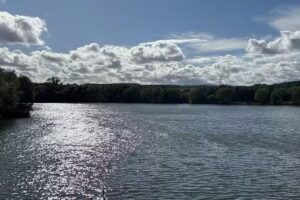
BackRatherheath fishing tarn is a compact, tree-lined coarse fishery managed as part of the Windermere, Ambleside and District Angling Association (WADAA), attracting anglers who appreciate quiet surroundings, mixed species and a club-style atmosphere rather than a heavily commercial set-up. It sits in a sheltered woodland bowl with pegs cut into the banks, creating a sense of seclusion that many coarse anglers find appealing when looking for a break from busier day ticket waters. The focus here is very much on carp fishing supported by a solid back-up of silver fish and predators, so the tarn appeals to those who enjoy variety as well as specimen-hunting.
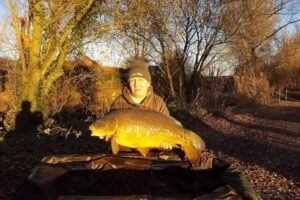
The fishery is best known for its stock of carp, with plenty of doubles and a number of fish reported into the mid-twenties, giving realistic chances of a personal best for dedicated session anglers. Local information suggests there are around 200 carp present in roughly four acres of water, meaning stocking levels are healthy without feeling overcrowded. Anglers targeting the carp usually fish traditional coarse fishing tactics with boilies, pellets and particles, often placing rigs tight to overhanging cover, patrol routes or the central features of the tarn. This balance of stock density and natural layout makes Ratherheath a venue where watercraft and patience still matter, rather than a pure numbers water.
Alongside the carp, the tarn holds roach, bream, tench and perch, giving it the character of a genuine mixed coarse water. Reports describe good backing sport from silver fish, particularly roach and bream, which can keep a float or feeder angler busy when the carp are not responding. For many visitors, this variety is a strong selling point, as it allows a day to start with pleasure-style coarse fishing lakes tactics before switching to more selective carp methods towards evening. Predatory species are also present, so there is scope for pike or perch sessions in cooler months for those who like to vary their year-round approach.
One aspect that stands out in feedback is the tranquillity of the setting. Anglers mention how quiet the surroundings feel, with only a minor road in the background and the rest of the banks lined by trees and vegetation. The sheltered nature of the tarn means it often feels calm even when conditions elsewhere are blustery, which many see as a positive for longer coarse fishing trips with family or friends. For visitors who value peace, birdlife and a slower pace alongside their angling, Ratherheath can be particularly attractive.
Accessibility has clearly been considered, with several pegs specifically designed for disabled anglers that are described as spacious and bordered by safety railings, giving stable platforms close to the water. This makes it easier for less mobile anglers to enjoy fishing lakes without having to negotiate steep or muddy banks. The pathways and pegs themselves are not described as ultra-modern, but the effort to provide inclusive access is appreciated in reviews and adds to the tarn’s appeal as a club-oriented venue rather than a purely commercial operation.
Despite these positives, visitors do not always find the fishing straightforward, and this is an important consideration for potential guests. Several accounts describe days when the tarn “looked nice” but did not produce many bites, with anglers seeing carp showing and swirling yet struggling to tempt them. One coarse angler noted that, on a particular visit, the day ticket felt expensive compared with other WADAA waters that, in their experience, fished better for the same or a lower price. This highlights that Ratherheath can be moody and may not always suit those who expect instant action from a day ticket venue.
Carp anglers in particular report that location and timing are crucial. Some anglers have moved pegs multiple times in one session to keep in touch with showing fish, which suggests that it pays to remain mobile and observant rather than committing to a single spot for the entire day. Locals suggest that the carp often feed more confidently after dark, with night sessions generally regarded as more productive. However, night fishing is restricted to club members, so visiting day ticket anglers must work within daylight hours and accept that they may be fishing outside the peak feeding window.
This member-only policy for night access underlines the club ethos of the water. Ratherheath is part of a wider portfolio of WADAA coarse venues, and regulars often combine it with other waters in the ticket scheme. Some reviews note that these alternative venues can occasionally out-fish Ratherheath, particularly when conditions are tricky, so visiting anglers who prioritise consistent bagging may prefer to view Ratherheath as one option among several rather than their only destination.
For those who appreciate a challenge, this more demanding character is not necessarily a drawback. Carp anglers often speak positively about having to adjust rigs, baits and positions, experimenting with different boilies, hookbaits and feeding patterns throughout the day. The water responds to thoughtful angling: fishing under overhanging trees, casting to visible patrol routes, and adjusting to subtle signs of movement can all make a difference on tougher days. In this sense, Ratherheath fits well into a list of carp lakes that reward experience and patience rather than encouraging a purely “cast and wait for constant runs” mindset.
Regular visitors comment on the friendly feel of the club and the helpfulness of local anglers when sharing information about productive areas, depths and seasonal patterns. There is mention of ongoing work being carried out around the water, including peg maintenance and stocking of additional fish, which suggests that the managing association invests in keeping the tarn in good condition. This continuous improvement can benefit future guests, though as with any fishery, there may be short periods where work or recent stocking temporarily affects water clarity or fish behaviour.
Feedback mentioning camping reinforces the idea that Ratherheath can form part of longer fishing holidays in the area, with some anglers choosing to stay nearby and fish the water on a regular basis, sometimes weekly. The combination of peaceful setting and mixed fishing suits families where one person may be a more dedicated carp angler while others enjoy occasional float sessions or simply relaxing by the water. Visitors who plan to incorporate the tarn into a short break should be aware of the club rules, permit arrangements and any restrictions on overnight stays, as these can vary and may require checking in advance on official platforms.
In terms of drawbacks beyond the occasionally challenging fishing, some anglers feel that the cost of a day’s fishing is on the higher side compared with other local club waters, particularly if the sport is slow. For value-conscious coarse anglers, this may influence how frequently they choose to fish the tarn versus other venues in the WADAA portfolio. The wooded banks, while attractive, can also limit casting angles from certain pegs, meaning that longer rods or less experienced casters might find some swims a little tight when trying to reach specific features. On busy days, the number of productive spots might feel restricted, although the tarn is not described as intensely crowded on a regular basis.
Overall, Ratherheath fishing tarn offers a blend of peaceful surroundings, well-managed mixed species and a coarse fishing experience that leans more towards traditional club values than commercial fishery style. Anglers looking for easy bags of fish on every visit may find it unpredictable, and some will question the day ticket price when the carp are not feeding. However, those who appreciate a relatively intimate carp fishery with genuine doubles, supported by roach, bream, tench and perch, and who are willing to adapt their approach to the conditions, are likely to value what Ratherheath offers as part of a wider programme of fishing lakes in the region.