Raygill Fly Fishery
BackRaygill Fly Fishery presents itself as a dedicated venue for anglers who want more than a quick cast on a local pond, offering quarry-style waters with depth, structure and the chance of meeting seriously hard-fighting trout. The setting is clearly designed for people who care about time on the bank, the feel of a take and the challenge of reading deep water, rather than just ticking off a venue on a list. While it is not a polished commercial attraction, it has a reputation for strong fishing, friendly people on site and the possibility of memorable fish, which will appeal to anyone searching for a practical, no-nonsense place to enjoy their sport.
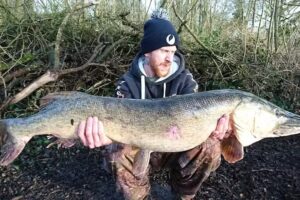
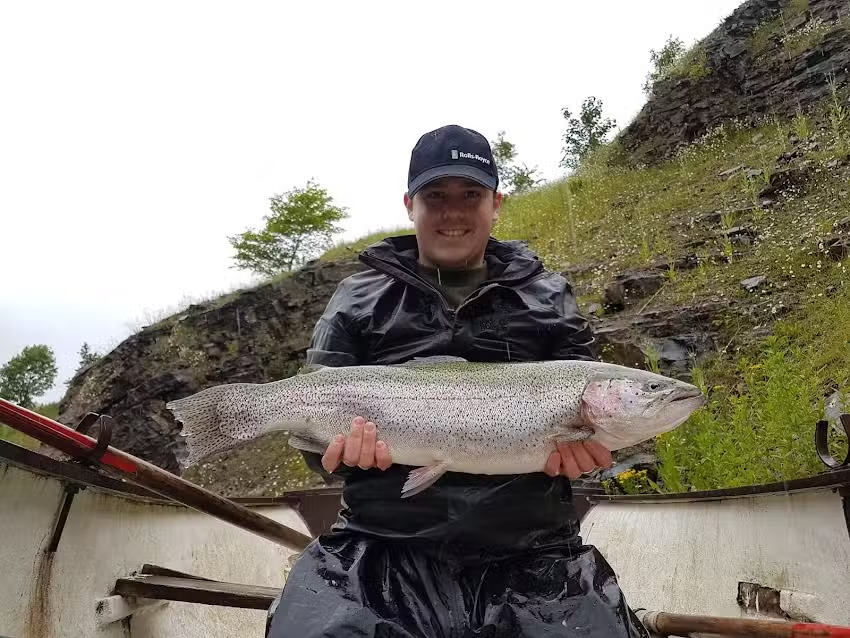
The core attraction here is the fishing itself. Anglers report energetic takes and powerful runs, with trout that do not come in like dead weight but use the depth of the quarry and submerged structure to fight all the way to the net. Landing a fish in the mid-teens in weight is not unheard of, which makes Raygill Fly Fishery interesting for those who go out specifically in search of larger specimens rather than just numbers. For many visitors, that potential – the sense that every cast might connect with something substantial – is what justifies the trip and keeps them returning.
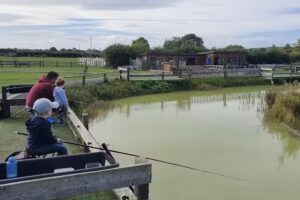
For potential customers, it is useful to understand that Raygill Fly Fishery is a working venue, not a manicured showpiece. The surrounds carry the character of a quarry water, so expectations should be set accordingly: paths may be uneven, vegetation can grow quickly during the season and some banks require careful footing. Those who are comfortable with more rugged bankside conditions often feel that the extra effort is worthwhile because the water holds quality fish and is rarely shoulder-to-shoulder busy. Others, used to paved paths and neatly strimmed swims, may find the access more challenging than anticipated.
The range of angling opportunities is a strong point. Quarry depths and shelves give scope to work flies at different levels, from surface patterns to deeper tactics on sinking lines. Anglers who enjoy experimenting with technique can use intermediate or sinking lines, slow retrieves or figure-of-eight retrieves to locate fish that are holding off the main drop-offs. When fish move high in the water, traditional patterns like Buzzers and emergers can be effective, while on other days lures and larger streamers come into their own. This variety means an experienced angler can treat each session as a small technical challenge, rather than a simple matter of casting the same set-up all day.
In terms of tackle, visitors will want to arrive prepared rather than relying on a fully stocked on-site shop. A versatile set-up such as a 6–8 weight rod, floating and sinking lines and a selection of leaders and tippet material gives flexibility to cope with changing light and wind conditions during the day. Bringing a well-stocked fly box is important, because quarry trout often respond differently depending on water clarity and light levels. Many anglers consider staples like damsel patterns, mini-lures, small attractor nymphs and natural imitations to be essential tools here.
The venue aligns naturally with people who are actively searching for terms like fishing tackle, where they want to put their kit through its paces on fish that genuinely test knots and drag settings. Those who regularly look for quality fishing rods, reliable fishing reels and durable fishing line will find Raygill an interesting proving ground for their gear. The potential for double-figure trout makes it a place where an angler’s set-up is not merely decorative; hooks, leaders and knots are given a serious workout, which is part of the appeal for committed fly anglers.
Boats are another aspect worth mentioning, but they currently stand out more as a point for improvement than as a selling feature. Reports mention craft in visibly poor condition, with some left underwater or with rotting fittings. For safety-conscious anglers or those used to tidy fleets, this can come as a surprise and may deter anyone who planned their day around boat fishing. Before committing to a boat session, it would be sensible for a visitor to check the current situation on arrival and consider whether bank fishing might be the better option on the day.
On the positive side, the bankside atmosphere is generally described as relaxed, with a welcoming feel from those associated with the fishery. This matters, because many anglers appreciate not only the catch but also the way they are treated while they are there. A friendly word on arrival, some basic guidance on which areas have been fishing well and where to park safely can make the difference between a stressful outing and a smooth, enjoyable day. At Raygill, visitors often highlight the human side as a strong point, even when they also note areas that could use more maintenance.
Navigation around the water is a mixed experience. Some stretches are straightforward, with obvious bankside space and clear casting lanes, while others are more overgrown and call for care underfoot. The absence of abundant signage adds to a slightly informal feeling; this can be appreciated by anglers who prefer a less regulated environment, but it may confuse those who are new to the venue and unsure which water is designated for fly fishing at any given time. Carrying suitable footwear, taking a moment to assess each path and being prepared to walk a little further for a safe, comfortable stance is advisable.
Water quality and fish condition are generally regarded as positives. Trout show good weight, clean fins and the lively behaviour associated with fish that are not over-handled or constantly pressured from all sides. When water temperatures and levels are favourable, activity can be intense, with fish moving on the surface and in the upper layers as well as deeper down. On quieter weekdays, some anglers have effectively had the water to themselves, enabling them to work methodically through different areas and depths without feeling rushed or crowded.
For those used to searching online for fly fishing venues or a dedicated trout fishery, Raygill offers a more traditional, slightly rough-around-the-edges option compared with heavily commercialised complexes. The focus remains on the simple relationship between angler, fly and fish, rather than on a long list of ancillary services. There is space to move, time to adjust tactics and the opportunity to work on presentation skills and fish-playing technique. Experienced anglers who value these aspects are likely to appreciate what the water offers.
At the same time, potential customers should be aware of the limitations. Those who require very easy access, perfectly maintained boats, highly visible signage and landscaped banks might feel the venue does not yet match their expectations. The feedback about uneven paths, overgrown areas and neglected boats points to a need for ongoing maintenance to bring the physical environment up to the same standard as the quality of the fish. Future visitors would benefit from management addressing these issues, as even small improvements to paths and boat staging areas could make a noticeable difference to comfort and safety.
In practical terms, Raygill Fly Fishery tends to suit anglers who are reasonably mobile, comfortable on natural or semi-natural banks and prepared to take a thoughtful approach to their day. Bringing appropriate clothing, sturdy footwear and all the necessary accessories – from landing nets and forceps to spare leaders and a range of flies – allows visitors to focus on the fishing rather than on what they have forgotten. Checking recent feedback and any updates before travelling is sensible, particularly for those who are keen on boat use or who have specific access needs.
For many, the possibility of connecting with big, fit trout in a quarry setting remains the key reason to visit. The fish can reward careful presentation and make solid demands on tackle and technique, which is exactly what many dedicated fly anglers look for. Balanced against that are the ongoing concerns about maintenance and clarity of signage, which prospective customers should factor into their decision-making. For those willing to accept a slightly untidy environment in exchange for the chance of memorable fish and a relaxed, unfussy atmosphere, Raygill Fly Fishery can still represent an interesting option within the broader landscape of British stillwater venues.