River Ayr DSFB
BackThe River Ayr District Salmon Fishery Board (DSFB) plays a significant role in safeguarding and managing the fishing rights and ecological balance of one of Scotland’s most well-known salmon rivers. Based at 34a Sandgate in Ayr, this organisation is not a typical retail outlet but an administrative and conservation body dedicated to preserving the health of the River Ayr and ensuring sustainable angling for generations to come.
Unlike a standard tackle shop or fishing gear supplier, River Ayr DSFB operates as a regulatory authority responsible for implementing fisheries legislation, monitoring stocks, and maintaining the environments where salmon and trout thrive. Its remit includes collaboration with local angling associations, landowners, and environmental organisations, aligning conservation efforts with the interests of the regional fly-fishing and coarse-fishing community.
Role and responsibilities
River Ayr DSFB’s core mission revolves around protecting the migratory fish species that inhabit the river system — namely, the Atlantic salmon and sea trout. Regular monitoring programmes assess water quality, spawning grounds, and fish populations, ensuring that conservation measures are guided by scientific evidence rather than commercial interests. The board’s enforcement officers work to combat illegal fishing, particularly during restricted seasons, safeguarding fish during vulnerable stages of their life cycle.
Another crucial aspect of its role is habitat improvement. Riverbank management, removal of obstacles for migration, and restoration of spawning beds help maintain a healthy ecological network. This holistic approach benefits not only recreational fishers but also local biodiversity, making the DSFB’s work an integral component of Ayrshire’s environmental landscape.
What makes River Ayr DSFB stand out
For dedicated anglers and conservation enthusiasts, River Ayr DSFB represents structure and regulation done right. The organisation prioritises transparency through annual reports and project updates available on its website. It maintains open communication with local fishing clubs and neighbouring boards, contributing to the wider Scottish effort for sustainable freshwater management. Many local fishers value the DSFB’s initiatives, particularly in reducing pollution and promoting catch-and-release practices that reflect modern ethical standards in sportfishing.
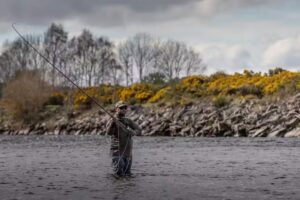
The River Ayr itself provides a diverse and scenic fishing environment stretching nearly forty miles from its source at Glenbuck Loch to the Firth of Clyde. Under the DSFB’s oversight, river sections remain accessible and regulated, balancing angling opportunity with conservation. The board’s input supports fair access to beats, sustainable licence management, and adherence to the Scottish Government’s conservation categories that dictate what levels of exploitation are acceptable per river zone.
Positive aspects noted by the community
- Clear commitment to conservation, reflected in well-documented projects across tributaries and spawning sites.
- Regular cooperation with volunteer groups and angling associations such as the River Ayr Angling Association, extending community involvement in ecological stewardship.
- Detailed scientific monitoring of salmon stock health, giving the river strong conservation status compared to less-managed water systems.
- Educational outreach through digital channels, encouraging responsible fishing practices and promoting awareness of seasonal regulations.
Points that could improve
- Limited direct engagement with visitors or tourists seeking recreational fishing guidance — the DSFB’s remit is regulatory, not hospitality-focused, which can be confusing for newcomers trying to find fishing permits or locations.
- Some reviews mention delays in publicising data or updates on the website, which could hinder clarity for anglers planning sessions during seasonal changes.
- Funding constraints occasionally limit the speed of river restoration or in-depth patrol coverage, reflecting challenges common to many local fishery boards.
How it connects to local fishing
While River Ayr DSFB itself does not sell bait or fishing equipment, it directly impacts the experience of those who use nearby fisheries or shop at local tackle stores in Ayrshire. Its conservation policies influence river access, seasonal timing, and water quality — factors that determine the success of every fishing trip. The board’s management also supports the presence of native brown trout and encourages sustainable fly-fishing methods, which attract visitors from across the UK.
Local anglers appreciate how the DSFB balances environmental priorities with angling opportunities. For instance, habitat restoration in sections near Mauchline and Failford has helped stabilise salmon returns and improve spawning conditions. These tangible results show that careful governance yields practical benefits for both nature and the angling community.
Commitment to the environment
River Ayr DSFB’s operations demonstrate an understanding that responsible fisheries management depends on collaboration. Their initiatives often involve SEPA (Scottish Environment Protection Agency), local councils, and conservation volunteers. By tackling issues such as invasive species, pollution, and poaching, the board serves as a crucial defensive line for the river’s long-term health.
As climate change impacts water temperatures and flow rates, the board’s ongoing studies become ever more important. Strategies such as riparian tree planting and improved drainage regulation help mitigate warming effects and preserve cold-water habitats — essential for sustaining healthy salmon stocks. This foresight positions River Ayr DSFB as a key figure in regional ecosystem resilience.
Visitor experience and accessibility
Because it functions as an administrative office rather than a recreation centre, visitors to 34a Sandgate will not find displays or retail areas. Instead, inquiries are largely handled via email or through the online contact form. Those seeking fishing opportunities are advised to connect with local clubs, where the regulations shaped by DSFB policy directly apply. Digital mapping and catch data available online supplement this, supporting anglers planning lawful outings along defined beats.
This straightforward approach upholds the board’s professional image but may feel somewhat impersonal to individuals hoping for face-to-face engagement. Still, those familiar with Scotland’s fishery governance understand that the DSFB’s authority ensures the fairness and consistency required for everyone using the river responsibly.
Overall impression
River Ayr DSFB stands as a cornerstone of sustainable fishing management in South Ayrshire. Though it lacks the immediacy or friendliness of a walk-in fishing shop, it delivers something arguably more valuable — stability and stewardship over a natural asset that countless anglers depend on. Its strengths lie in science-based regulation, transparency, and dedication to long-term ecological balance. Challenges exist in communication and accessibility, but these stem from structural limitations rather than neglect.
For those who cherish Scotland’s rivers and value responsible fishing conservation, the River Ayr DSFB represents dedication and continuity. It ensures that the unique character of the River Ayr remains protected, allowing future generations to experience the joy of casting a line in its waters, confident that sustainability is at the heart of its governance.