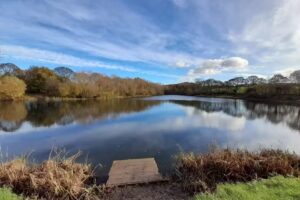
River Stour Passport to Fishing
BackThe River Stour Passport to Fishing initiative, operated through the Severn Rivers Trust at Hope House Farm Barns in Martley, offers anglers a distinctive approach to accessing prime fishing spots along the River Stour. This programme provides permits that grant entry to managed stretches of water, supporting conservation efforts while allowing enthusiasts to pursue species like chub, barbel, and roach in a natural setting. Linked to the Trust's mission, it balances recreational fishing with river health preservation, making it a key resource for those seeking day tickets or seasonal access without private landowner negotiations.
Access and Permit System
The passport system streamlines entry to multiple beats on the River Stour fishing spots, covering over several miles of fishable water. Anglers appreciate the straightforward process for obtaining permits, often available on-site or through affiliated channels, which eliminates the hassle of individual permissions. This setup suits both novices and seasoned fishers looking for reliable brown trout fishing or coarser species, with waters maintained to encourage healthy populations.
However, some visitors note limitations in permit availability during peak seasons, leading to frustration when prime dates fill quickly. The remote farm location demands prior planning, as unexpected closures for maintenance or environmental work can disrupt trips. Despite these issues, the structured access remains a strong draw for committed anglers valuing organised fishing day tickets.
Fishing Quality and Species
The River Stour's beats feature gravel runs, deep pools, and weed beds ideal for tactics like trotting or freelining. Reports highlight consistent catches of double-figure barbel and quality chub, with roach shoals providing steady action on lighter gear. The Trust's habitat enhancements, such as tree planting and erosion control, contribute to improving fish stocks over time, enhancing the appeal for trophy hunters targeting barbel fishing River Stour.
On the downside, water clarity varies with rainfall, sometimes muddying after storms and reducing bite rates. Invasive signal crayfish compete with native species, occasionally frustrating bait approaches. Still, patient anglers using maggot or cheese paste often overcome these challenges, landing memorable fish amid scenic surroundings.
Conservation Commitment
The Severn Rivers Trust integrates fishing passports with broader environmental goals, funding rod licence revenues towards rod surveys, water quality testing, and predator control. This approach fosters sustainable UK fishing permits, ensuring long-term viability for future generations. Volunteers and staff monitor fish movements and spawning success, sharing insights that benefit participants.
Certain anglers criticise the visible impact of past pollution incidents, traceable to agricultural runoff, which temporarily affects oxygen levels and fish health. Recovery efforts are ongoing, but sporadic die-offs remind users of the river's vulnerability. The Trust's transparency about these matters builds credibility, encouraging supportive angling practices like catch-and-release.
Facilities and On-Site Experience
Hope House Farm Barns serves as the operational hub, offering basic parking and permit issuance in a rural setting surrounded by Worcestershire countryside. The proximity to the river minimises walking distances to pegs, ideal for those with mobility considerations. Informational boards detail rules, promoting responsible conduct among fishing tackle shops nearby seekers who might combine visits with local suppliers.
Drawbacks include minimal amenities—no on-site toilets or bait fridges—requiring self-sufficiency. Weather exposure on open banks poses issues during wet spells, with slippery paths after rain heightening risks. Dedicated fishers value this authenticity, preferring unpolished venues over commercial fisheries.
Angler Feedback Patterns
Positive accounts praise the value for money, with permits enabling multi-site hopping for varied angling. Families introduce children to fishing here, citing safe, quiet atmospheres conducive to learning. The Trust's events, like guided walks, add educational value, deepening appreciation for River Stour angling.
- Strong barbel and chub fishing on well-stocked stretches.
- Affordable access compared to syndicate waters.
- Support for vital river restoration projects.
Conversely, complaints surface about overcrowding on weekends, pegs too close for privacy. Bailiff presence varies, with some stretches feeling unsupervised, leading to litter or rule breaches. Recent feedback mentions slower stock replenishment post-floods, testing patience.
Seasonal Variations
Summer months bring lush margins alive with dace and perch, perfect for stick float work. Autumn sees barbel frenzy on halibut pellets, rewarding overnight preps. Winter trotting yields perch and grayling, though bites slow in cold snaps.
Flood events disrupt access, banks becoming treacherous, while low summer flows concentrate fish but heighten snags. Adapting rigs proves essential, as does checking updates via Trust channels. These dynamics keep visits exciting, mirroring wild river traits absent in stillwaters.
Comparison to Regional Options
Versus nearby Wye fishing permits or Severn stretches, the Stour offers intimate, lesser-pressured fishing. Lighter tackle suffices here, contrasting broader rivers needing heavier gear. Local tackle shops stock Stour-specific baits, complementing the passport's reach.
Yet, commercial fisheries nearby provide easier amenities and guaranteed stockings, appealing to convenience seekers. The Stour demands rivercraft skills, potentially overwhelming beginners. Its niche shines for traditionalists craving authentic coarse fishing venues.
Tackle Recommendations
A 12-foot quiver tip rod handles feeder work across pools, paired with 6lb mainline for subtlety. Centre pins excel for trotting, while fixed spools suit casting. Baits like bread flake or worm clusters mimic natural food, boosting hook-ups.
Overgunning with heavy bombs risks spooking fish in clear shallows. Light leaders prevent crayfish losses, a common pitfall. Preparing kits for variable depths ensures versatility across beats.
Future Prospects
Ongoing Trust initiatives promise enhanced fish passes and reed bed plantings, likely boosting roach and bream numbers. Partnerships with angling clubs could expand passport scope, adding beats. Monitoring tech tracks improvements, assuring progressive habitat quality.
Challenges persist from urban encroachment upstream, demanding vigilant advocacy. Angler involvement through volunteering strengthens outcomes, turning users into stewards. This evolution positions the passport as a model for sustainable fishing access.
Overall, the River Stour Passport to Fishing delivers rewarding angling tied to conservation, with hurdles typical of dynamic rivers. Discerning participants find ample returns in skill-building and natural encounters, outweighing rustic imperfections for dedicated pursuits.