Rocklands Mere Fishery
BackRocklands Mere Fishery is a small, privately run venue that appeals to anglers who value quiet, traditional coarse fishing over heavily stocked commercial waters. Instead of chasing large carp, visitors come here for classic coarse fishing with specimen tench, true crucian carp and quality roach and rudd in a deliberately wild setting. The emphasis is on character and atmosphere rather than numbers at all costs, which makes this fishery attractive to anglers who enjoy careful float work, light tackle and unhurried sessions focused on watercraft and presentation.
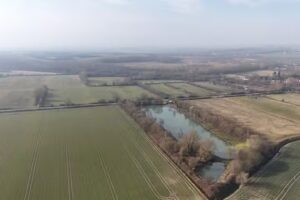
The fishery centres on an old mere formed in the 1940s after peat extraction, which was later allowed to flood and develop into a mature wet woodland and stillwater habitat. Surrounded by established trees and natural banks, the water feels more like a secluded estate pool than a commercial complex, and wildlife such as kingfishers, barn owls and water voles are reported regularly along the margins. For many anglers this is a key part of the appeal: the chance to fish for specimen tench and genuine wild crucians in a setting that feels closer to a nature reserve than a standard day-ticket venue. Those who prefer manicured pegs and bare margins, however, may find the terrain and vegetation more challenging than they are used to.
Fish stocks and target species
Rocklands Mere Fishery is deliberately managed as a crucian carp and tench fishery, with no carp present in the coarse lake. This is unusual in modern day-ticket waters and is one of the main reasons specialist anglers travel to the venue. The owners work with fisheries scientists to conserve a pure strain of crucians, including selective stocking from verified Norfolk sites and careful management of breeding ponds. For visitors, this means a realistic chance of catching classic, barbel-free crucians in their traditional environment, rather than hybrids often found elsewhere.
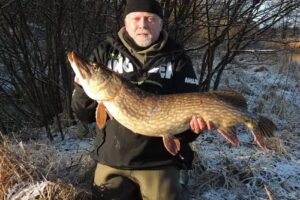
Tench are another major draw, with average fish around 3–4 lb and larger specimens reported up to around 7 lb, alongside plenty of smaller fish that keep the float moving on productive days. Anglers also mention good roach and rudd, as well as occasional specimen perch, which add variety when conditions are not perfect for tench fishing. Several returning visitors describe the fish as being in excellent condition, which reflects the low stocking density and careful approach to fishery management. Compared with heavily stocked venues, catch rates can be more variable, but the reward is the opportunity to connect with individual fish that have grown on naturally over time.
Water layout and character
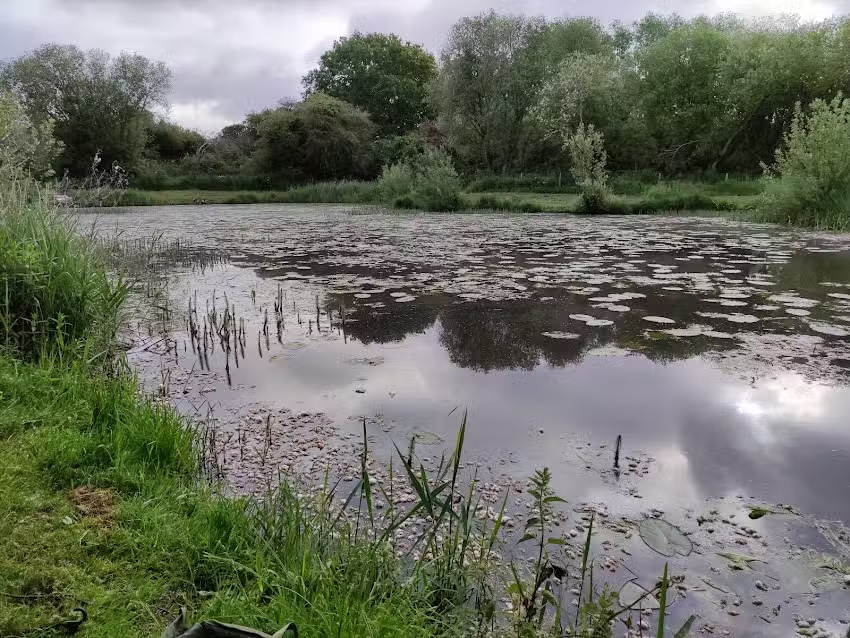
The coarse lake is just over an acre in size, but it is rich in features, with varying depths from roughly 4 to 6 feet, Norfolk reed, reedmace, hornwort beds and extensive lily pads. This layout lends itself to traditional float fishing tactics, with anglers often presenting baits tight to pads, reed lines and other natural cover. The owners are open that Rocklands Mere is a "wild" water: there are limited formal swims, no straight gravel platforms and no attempt to strip out all the weed and lilies. Some visitors see this as a strength, appreciating a more authentic environment where careful casting and line control are essential skills.
For others, the same features can be a source of frustration. One angler noted that the mere felt smaller than expected and that a significant part of the far end was unfishable due to thick lily cover, reducing the number of comfortable positions around the water. Losing fish to the pads or submerged weed is a recurring risk, and there are reports of powerful tench burying themselves and causing hook pulls or breakages for those unprepared. The fishery does carry out raking and weed management, but given the nature of the water and its conservation aims, vegetation regrows quickly and remains a prominent part of the fishing. Prospective visitors who dislike weedy lakes should factor this in when deciding whether this is the right venue for them.
Atmosphere, access and facilities
Rocklands Mere Fishery is run on a pre-booked ticket system, with all anglers required to arrange visits in advance and obtain an access code before arrival. Numbers on the bank are strictly limited, typically to a small handful of anglers per day, which helps preserve the quiet, low-pressure feel that regulars value. Many visitors comment on how peaceful the setting is compared with busier commercial fisheries, and the controlled access means that even on popular days the water rarely feels crowded. For those seeking quiet fishing lakes with a relaxed pace and minimal disturbance, this is a clear positive.
Access, however, is not entirely straightforward. One visitor described negotiating a gate, a narrow wooden bridge, several steps and another gate when entering with a loaded tackle barrow, and noted that leaving required reversing the barrow back across the same obstacles. This layout may be awkward for anglers with a lot of equipment, reduced mobility or heavy barrows, even though there is a designated wheelchair-accessible entrance to the site. Around the lake itself, the "natural" banks, tree roots and uneven ground are part of the charm for traditionalists but may feel less comfortable for those used to level platforms and wide pegs. There is a small lodge area linked with ticketing and access, but facilities are limited compared with large multi-lake complexes, reflecting the intimate scale of the fishery.
Rules, booking and suitability for different anglers
The fishery operates a clear set of rules designed to protect both the fish and the character of the venue. Anglers must pre-book and are the only people allowed onto the lake; visitors, spectators and non-fishing guests are not permitted. Barbless hooks are required, keepnets and sacks are not allowed, and there is no night fishing, which keeps pressure down and fits with the conservation-minded approach. For many anglers, these conditions support a more considerate style of specimen coarse fishing, focused on careful handling and returning fish quickly.
One policy that divides opinion is the restriction on younger visitors. The fishery is privately owned and does not generally allow under-16s, even if supervised, which some newer anglers find disappointing when they would like to introduce children or family members to freshwater fishing in such a calm environment. While this rule helps maintain the quiet atmosphere and may reduce bank-side disturbance, it also means the venue is less suitable for family days out or for those wanting to mentor junior anglers. In contrast, experienced adults who prefer a focused, low-key environment may see the adult-only approach as a positive.
Overall, the rules and pre-booking system make Rocklands Mere Fishery best suited to anglers who are organised, happy to plan trips ahead and comfortable fishing independently without a crowd. Those who enjoy turning up at short notice, social sessions with non-fishing friends or heavily stocked day ticket lakes that prioritise high catch rates over ambience may feel the restrictions outweigh the benefits.
Catch rates and angler feedback
Feedback from visitors paints a picture of a water where effort and thoughtful approach are rewarded, but where success is not guaranteed. Some anglers describe sessions with steady sport from small tench, crucians and silver fish, noting that there is usually something happening even when the bigger fish are cautious. Others, particularly in warmer conditions when weed and lilies are at their thickest, find bites harder to come by and comment that the mere can be quite demanding for its size. This is consistent with a lightly stocked, natural lake where fish behaviour is strongly influenced by weather, pressure and water clarity.
One returning visitor reports regular catches of specimen tench and attractive crucians in pristine condition, and describes the venue as a favourite local water precisely because it feels different from more commercial operations. Another angler who initially highlighted the heavy lily growth and limited swims still recognised the quality of the fish, landing several tench and crucians along with a notable roach during their early visits. More recent feedback from coarse fishing platforms and discussion groups suggests that the mere continues to hold a good head of roach and rudd, providing plenty of bites when targeted with lighter tackle and smaller baits. Anglers who approach the water with balanced tackle, appropriate line strengths and an acceptance that the vegetation will always be a factor tend to report the most satisfaction.
Strengths and limitations for potential visitors
For prospective customers considering Rocklands Mere Fishery, the key strengths are clear. It offers a rare chance to focus on crucian carp fishing and tench fishing in a carefully managed, conservation-minded environment, with fish that are grown for quality rather than headline weights. The setting is tranquil and wildlife-rich, angler numbers are tightly controlled, and the rules support considerate handling and a calm bankside atmosphere. Those who enjoy traditional float fishing lakes, appreciate natural surroundings and are looking for an unhurried day with a realistic chance of memorable fish will find a lot to like here.
The same features, however, mean the fishery will not suit everyone. Access with heavy gear can be awkward, banks are uneven and features like lily pads and weed beds make this a more technical venue than many commercial coarse fisheries. Family groups and those wanting to bring younger children will be limited by the adult-focused entry policy, and anglers who prefer high-stocked carp lakes or instant-action venues may find the more subtle fishing less to their taste. Rocklands Mere Fishery is best viewed as a specialist destination for thoughtful anglers rather than a general-purpose recreation site, and it rewards those who arrive prepared for a genuine, if sometimes demanding, slice of traditional Norfolk stillwater angling.