
Rosewater fishery
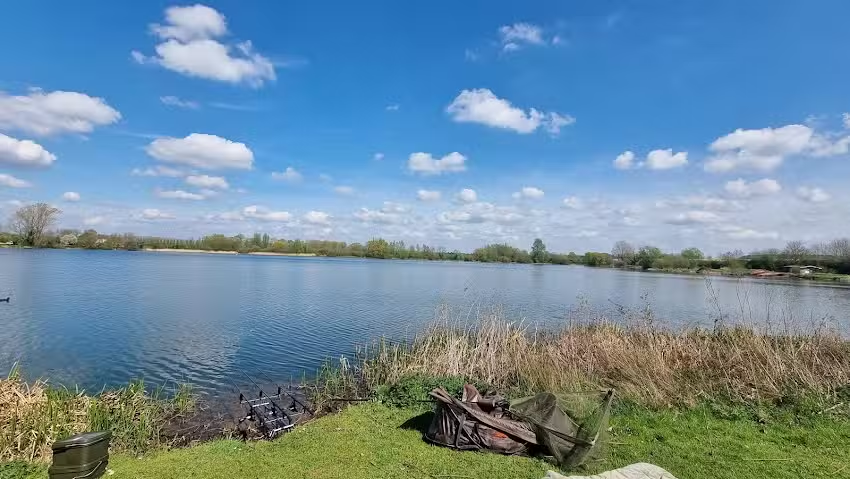
BackRosewater Fishery in Ringstead has developed a reputation as a dedicated venue for serious anglers who enjoy challenging, low‑stock waters rather than heavily stocked commercial pools. The site is centred on a mature gravel pit of around 36 acres, originally known as Ringstead Grange Trout Fishery, now managed as a specialist carp water with a growing following among those seeking quality fish rather than constant action.
The lake holds an estimated stock of around 200+ carp, with resident fish typically ranging from mid‑double figures up to over 30lb, and larger, rarely caught specimens reported by regulars. This puts Rosewater firmly into the category of a carp fishing lake where each capture feels hard‑earned and memorable, rather than a venue where bites are guaranteed every few hours.
For anglers prioritising space and water to work with, Rosewater offers large, well‑spaced swims that are noted in feedback as giving plenty of room both for fishing and for setting up a bivvy in comfort. Visitors highlight that the banks are generally well maintained and that pegs are laid out to reduce pressure and avoid anglers casting over each other, which is a key attraction compared with many smaller commercial venues.
Several visitors comment that the complex is rarely overcrowded, even at popular times, which adds to the appeal for those who want to concentrate on watercraft, rig placement and baiting strategy without feeling hemmed in. This lower angler density fits well with the venue’s character as a more specialist carp fishery, where thoughtful approach and patience tend to be rewarded over time.
The fish themselves are frequently described as being in excellent condition, with anglers mentioning immaculate scales and hard‑fighting carp that clearly benefit from careful stock management and sensible rules. With original fish that have grown on from the days when carp entered via flooding of the Nene Valley, supplemented by VS Fisheries‑sourced carp from around 7–24lb, the stock offers a mix of older, characterful residents and younger fish with good growth potential.
From a tactical point of view, Rosewater is not considered an easy specimen carp venue. Anglers mention extensive weed beyond certain ranges, particularly past roughly seventeen wraps, which can make presentation more demanding and landing fish more complex. This is part of the lake’s personality: it rewards accurate feature finding, careful lead and rig choices, and the ability to manage fish safely in weed rather than relying on simple chuck‑and‑chance tactics.
The relatively modest stocking density by day‑ticket standards means that blanking sessions are a realistic possibility, especially for newcomers who have not yet built up knowledge of key spots or seasonal patrol routes. However, feedback consistently points out that when a fish is landed, the quality and condition of the carp make the effort and occasional long waits feel worthwhile, which appeals strongly to anglers who value individual captures over sheer numbers.
Accessibility and facilities are areas where Rosewater tends to impress visiting anglers. Parking is described as plentiful and convenient for members and visitors, reducing the need for long barrow journeys and making it practical to bring a full set‑up including bivvy, bedchair and cooking gear for longer sessions. There is a clear emphasis on maintaining the venue to a good standard, with anglers noting that paths, swims and general presentation are kept tidy.
Rules at the fishery are designed to protect fish welfare and ensure a calm, safe environment on the bank. All landing nets must be dipped on arrival to reduce the risk of disease transfer, litter must be bagged and disposed of in the bins provided, and there is a ban on open fires along with restrictions on drones and laser pointers. These measures reflect a management style that is fairly strict but in line with what most dedicated carp anglers expect from a serious fishery.
Bait boats are permitted, which will appeal to anglers who rely on them to reach clear spots among weed or to place rigs with precision at range, but their use is expected to remain considerate and within defined etiquette, ensuring they do not compromise other people’s fishing. The presence of on‑site bailiffs, and guidance such as asking for help if fish become weeded, further underlines the focus on safe fish handling and responsible angling practices.
Pricing at Rosewater is structured around flexible session lengths, from day tickets through 24‑hour and multi‑day stays, reflecting its role as both a short‑session venue and a place where anglers can commit to longer, campaign‑style fishing. There are also options for exclusive bookings for groups of up to ten anglers, including use of the lake, adjoining River Nene stretch and facilities, which can be attractive to clubs or groups planning social sessions or small events. While specific prices can change over time, the general pattern places Rosewater in the mid‑range of UK carp fishing venues, balancing accessibility with the quality and size of the water on offer.
Feedback on staff and management is consistently positive, with visitors regularly mentioning friendly, approachable owners and bailiffs. Anglers appreciate that staff are prepared to offer advice on tactics, lake features and safe practice, yet the overall atmosphere remains relaxed rather than overly regimented. This balance helps the fishery feel welcoming both to seasoned big carp hunters and to competent intermediates stepping up from smaller day‑ticket waters.
Rosewater is also considered disability‑friendly, with comments noting easy access and parking arrangements that support anglers with mobility needs. For those who might struggle with long walks or rough banks, this can be a decisive factor when choosing a venue, and it positions Rosewater as a more inclusive option than some older gravel pits where access has not been modernised.
In addition to carp, visitors refer to a good stock of other species, making the fishery appealing to those who enjoy mixed‑species sessions. Anglers mention that there is a varied head of fish, so while the water is marketed primarily as a carp fishery, there is scope for more general coarse fishing and for targeting different species depending on season and personal preference. This adds some variety for regulars and makes it suitable for small groups where not everyone is solely focused on carp.
On the water itself, video content and angler reports highlight a scenic, open lake with a mixture of deeper areas and shallower margins, typical of mature gravel pits in the Nene Valley. Depth maps and sonar footage shared by visiting anglers show distinct contours and features, meaning that time spent with a marker rod or boat‑based sonar can pay dividends in finding clear spots amid weed and silt. For many, this type of fishing is part of the attraction, turning each trip into a technical challenge of location and presentation.
The character of Rosewater means it is likely to suit certain types of visitors more than others. Anglers seeking non‑stop action, or those newer to coarse fishing who expect regular bites, may find the combination of weed, lower stocking and larger water daunting. For them, more heavily stocked commercial fisheries might provide a gentler introduction, whereas Rosewater is better aligned with those who enjoy problem‑solving and are comfortable putting in multiple trips to learn a venue.
On the other hand, for anglers who deliberately look for more demanding waters with the chance of catching well‑conditioned, older carp, the venue offers strong appeal. The low‑pressure environment, absence of constant crowds and the opportunity to fish longer sessions on a sizeable pit give it a feel closer to a traditional English big carp lake than a heavily manicured commercial complex. This makes it particularly attractive for those developing a long‑term campaign, working out routes, seasonal hotspots and subtle changes in the lake over time.
Local amenities add practical benefits to a visit. Anglers have noted that there are takeaway options nearby and a local tackle outlet where additional bait or gear can be sourced at short notice, reducing the consequences of forgotten items. This is useful for visiting anglers who travel some distance, as it allows them to remain on the bank for longer without needing a major diversion to restock essentials.
From the perspective of value for money, Rosewater sits in a competitive area of the UK carp fishing market. The session‑based ticket structure and the possibility of exclusive bookings cater for a wide range of budgets and trip styles, from solo overnight stays to club socials. Some anglers may perceive the cost as higher than smaller venues, but when weighed against the size of the water, the quality of fish and the level of management, many find the overall package reasonable.
One important consideration for prospective visitors is that Rosewater operates with firm policies on matters such as litter, safety and session extensions, including non‑refundable payments in some booking scenarios. Anglers who value flexibility in changing or cancelling trips may wish to factor this in when planning visits, as the venue clearly prioritises clear, fixed arrangements over last‑minute alterations. For most regulars, this is accepted as part of booking a sought‑after carp lake with organised management and a busy calendar.
Overall, Rosewater Fishery presents itself as a mature, well‑run carp fishery offering a blend of scenic surroundings, challenging fishing and well‑managed facilities. Its strengths lie in the quality of the carp stock, the space and layout of the swims, and a management approach that emphasises fish welfare and angler safety. Potential downsides include the demanding nature of the fishing, areas of heavy weed and firm booking policies, all of which are important for potential customers to weigh up when deciding whether this venue fits their expectations and angling style.
