Smallford Fishery
BackSmallford Fishery is a long‑established private coarse fishing venue that has been in the hands of Verulam Angling Club since the late 1950s, and it continues to attract anglers who value a more traditional, mature gravel pit rather than a heavily stocked commercial complex. Membership‑only access creates a quieter atmosphere than many open day‑ticket waters, which will appeal to anglers who like to focus on watercraft and thoughtful baiting rather than fast, pressured sessions.
The fishery is regarded within the club as one of its key specimen venues, with a reputation for quality fish rather than easy bags. For carp anglers, it offers the appeal of a seasoned pit where fish have grown on in a relatively unhurried environment, and this is part of the draw for those who want a more involved challenge than highly stocked commercials. It is not presented as a runs water, and that means expectations need to be realistic: the rewards can be memorable, but they are earned through patience and experience, not guaranteed by sheer stock density.
Because Smallford Fishery sits within a broad portfolio of club waters, it benefits from the infrastructure and organisation of Verulam Angling Club, which manages a mix of rivers, lakes and gravel pits for a membership that runs into the thousands. This background matters to potential visitors who are considering joining, as it indicates a structured approach to fishery management and an ongoing programme of maintenance and stock care rather than an isolated, neglected pond. The club’s long history also explains why some anglers still return to Smallford after many decades, drawn by memories of past captures and the sense of continuity that a mature pit can provide.
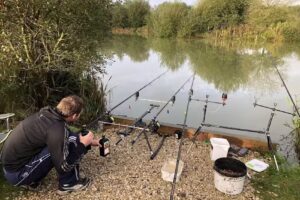
One of the major attractions of Smallford Fishery is the character of the water itself: a mature gravel pit with established margins, bankside vegetation and a more natural feel than many purpose‑built commercials. For anglers who enjoy reading features, subtle depth changes and older tree‑lined banks, it offers an environment that supports a wide range of coarse species and gives that traditional English stillwater atmosphere. This makes it especially appealing for carp specialists who favour waters where the fish have seen a variety of tactics over many years and where good location and presentation can make a real difference to results.
Feedback from visitors and members indicates that the fishery is generally well looked after, with tidy banks and swims that reflect regular maintenance by the club and its volunteers. Occasional disruption can occur when essential work is scheduled, particularly around events such as the club’s carp charity final, but these sessions are usually announced in advance, and the aim is ultimately to keep the venue safe, accessible and in good order for members. Anglers who value well‑kept surroundings and a sense of order tend to see this as a positive, even if it occasionally limits access for short periods.
The stock profile at Smallford Fishery reflects its role within the club as a specimen‑leaning coarse venue rather than a high‑turnover match lake. Carp are the main target for many visitors, and while the pit is not described as heavily stocked, it is known for fish of worthwhile size that encourage longer campaigns, thoughtful baiting and careful approach work. Alongside carp, typical gravel pit species such as tench and various silver fish offer additional interest, giving scope for anglers who prefer float or feeder tactics and do not want to focus solely on carp.
For dedicated carp anglers searching for a more exclusive setting than busy commercial complexes, Smallford stands as a contrast to heavily stocked venues such as carp fishing lakes that promote very high fish counts and fast action. Waters like Willows Lake at Albans Lakes hold thousands of carp and are sometimes associated with rapid catch rates, whereas Smallford tends to reward more methodical angling with fewer but more meaningful fish. This difference will not suit everyone, but for those who enjoy working at their fishing, Smallford’s more measured pace can be a key part of the appeal.
Accessibility is one of the more practical considerations for potential members, and Smallford Fishery benefits from a straightforward roadside location close to main routes, making it realistic for regular short‑session visits as well as longer stays . For many club anglers, being able to finish work and still reach the bank in good time is an important factor, and Smallford’s setting lends itself well to this pattern of use. The presence of clear mapping and photographs online also helps prospective visitors get a feel for the layout and swims before they commit to a membership .
On the water itself, anglers describe a peaceful atmosphere, in part thanks to the fact that access is restricted to club members rather than open day‑tickets. This tends to keep angling pressure manageable and reduces the kind of bank‑side noise and congestion that can occur on busy public venues. For some visitors, especially those who value escapism as much as fish numbers, this quieter experience is just as important as the average weight of carp in the lake.
From the perspective of someone comparing different fishing lakes in Hertfordshire, it is worth noting that Smallford does not come with the on‑site facilities often found at commercial complexes, such as a café, tackle shop or holiday accommodation. Anglers who expect hot food, rental gear or lodges right by the bank may find the set‑up quite basic in comparison to more heavily developed venues that focus on short‑break angling holidays. Instead, Smallford functions very much as a members’ coarse fishery where the focus is on the water and the fish rather than add‑on services.
For potential club members specifically interested in carp fishing and specimen hunting, Smallford is positioned as one of the principal pits in the Verulam Angling Club network, and that status brings both advantages and pressures. On the plus side, it means the water is recognised internally as a priority for management and as a focal point for carp‑related events such as charity matches and finals. At the same time, the reputation can increase demand for pegs during favourable conditions, so new members hoping for solitude on every visit may occasionally find more anglers present than they expect, especially when carp are clearly active.
One potential drawback for some anglers is that access to Smallford Fishery is strictly limited to members of Verulam Angling Club, with no suggestion of casual day‑ticket entry. For local anglers who just want a one‑off session or a quick trial, this can be a barrier, as they need to commit to a membership rather than paying for a single day’s fishing. There is also the expectation within the club that members contribute to the upkeep of their waters through occasional work parties or maintenance days, which not everyone may be keen to attend, even though this system helps keep the fishery in good condition.
Anglers who enjoy variety may still see strong value in joining, because Smallford is just one of a number of waters controlled by Verulam Angling Club, giving access to rivers, canals and other pits for the same membership. For someone whose main interest is coarse fishing across the region, this breadth means Smallford does not have to be the only destination; it can sit alongside other venues better suited to quick bites, winter sport or different target species. This flexibility softens the impact of the venue being more challenging, as members can switch between waters to match conditions and personal preference.
As with any established fishery, there have been periods where stock and water quality required closer management, and the club has openly discussed remedial actions such as restocking and monitoring fish health at other venues in its portfolio. While these references do not single out Smallford for serious ongoing issues, they show that the club is willing to intervene when necessary to improve sport and protect its fisheries. Potential members who are cautious about long‑term commitments may find this reassuring, as it suggests an active, rather than a passive, approach to fishery management.
For new or less experienced anglers, Smallford Fishery may feel demanding compared with heavily stocked commercial fishing lakes for carp, and this is an important consideration before joining. The pit rewards careful preparation, good watercraft and the willingness to accept quieter sessions as part of the learning curve. Those looking for instant results might be better served by more forgiving venues, whereas anglers who enjoy building knowledge over multiple trips and targeting individual fish are more likely to appreciate what Smallford offers.
Despite the more challenging nature of the water, members and visitors generally speak positively about their time at the fishery, pointing to the atmosphere, setting and quality of the fish as the key reasons they return. The fact that some anglers still choose to fish there decades after first joining the club hints at a depth of attachment that goes beyond simple catch statistics. For prospective members who value tradition, character and the chance of a meaningful capture over sheer numbers, Smallford Fishery stands out as a noteworthy option within the wider landscape of coarse fishing lakes in Hertfordshire.
Who Smallford Fishery Will Suit
Smallford Fishery is likely to suit anglers who are comfortable fishing membership‑only venues and who are happy to commit time to understanding a more demanding water. Carp specialists who are used to running campaigns, refining rigs and adjusting baiting strategies over multiple sessions will probably find the pit’s character particularly appealing. Those who prioritise peace, tradition and the chance of quality fish within a private club framework are the most natural fit for this venue.
On the other hand, the fishery may be less suitable for casual anglers who prefer spur‑of‑the‑moment day‑ticket visits or who rely on extensive on‑site facilities for food, tackle and accommodation. Families seeking a holiday‑style destination with cabins, cafés and guaranteed action from heavily stocked commercial carp lakes may find other venues more appropriate. Smallford sits more firmly in the category of a traditional members’ coarse fishery than a purpose‑built angling holiday park.
For anyone considering joining Verulam Angling Club with Smallford Fishery in mind, it is sensible to weigh up these strengths and limitations carefully. The venue offers a mature, peaceful gravel pit with a history of specimen fishing, backed by a long‑standing club structure and a network of additional waters. In return, anglers must accept the membership requirement, the more challenging nature of the fishing and the relatively simple facilities, which together define the real character of Smallford Fishery as it stands today.