
Smeaton’s Pier
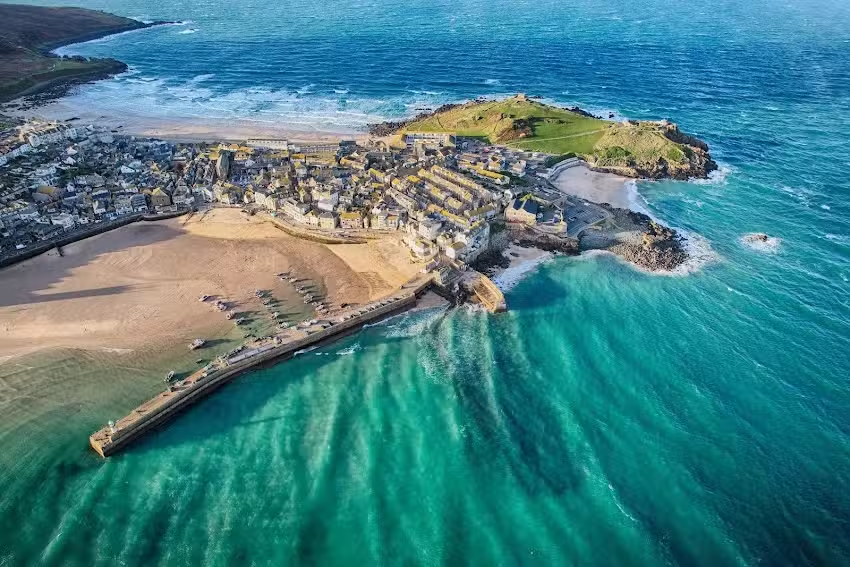
BackSmeaton’s Pier stands as a vital part of the local fishing harbour operations in St Ives, where fishermen actively use the structure daily. Built between 1767 and 1770 by engineer John Smeaton, it serves primarily as a breakwater with a reservoir at its base that fills at high tide to dampen wave impact on the sheltered waters. This granite construction, extended in the 1890s, now features two lighthouses: the original ornate one from 1831 marking the initial end, and a taller nine-metre addition at the outer tip, guiding vessels safely.
Historical Role
The pier's design allowed boats to moor alongside its vertical inner face, supporting a once-thriving pilchard fishery that employed hundreds in the mid-19th century. Today, it anchors the largest handline fleet on Cornwall's north coast, with over 20 small boats targeting mackerel in the bay using traditional lines. Larger vessels deploy pots for brown crab and lobster, their gear often stacked along the cobbled walkway, reflecting ongoing fishing houses traditions.
Annual landings hover around 70 tonnes, with catches auctioned at Newlyn or sold locally, sustaining a modest but dedicated community of inshore fishers. The harbour office, managed by Cornwall Harbours, oversees these activities from a base on the pier itself.
Daily Fishing Scene
Visitors witness piles of lobster pots, nets, and winches, embodying the authentic vibe of a working pier fishing spot. Local boats share space with pleasure craft, creating a dynamic quayside where fresh seafood aromas mingle with the sea air. This blend appeals to those keen on observing genuine seafood harbour life rather than polished tourist setups.
The pier connects to New Pier, or Wood Pier remnants, used for line fishing and crabbing, enhancing its status as a hub for casual angling. Fishermen’s Christmas Lights illuminate the area from mid-November, adding seasonal festivity to the fishing pier atmosphere.
Visitor Attractions
A stroll along the pier offers sweeping views across St Ives Bay and into the harbour, ideal at sunset when the light casts a golden hue over the water. Photographers capture the iconic lighthouses and boats, while benches provide spots to relax amid the afternoon sun. Boat trips to Seal Island depart nearby, promising sightings of marine life from this vantage.
Public toilets stand at the entrance, and the Fisherman’s Chapel offers occasional quiet reflection, though access varies. Wheelchair users find an accessible entrance, making it somewhat inclusive for diverse groups.
Recreational Pursuits
Crabbing off piers draws families, with lines baited from the old wall behind Smeaton’s Pier yielding catches of crabs using simple buckets and bait like bacon or fish. This low-cost activity suits all ages, though tides and seals demand caution. Shore fishing thrives here too, complementing the fishing harbour activities.
The pier's 24-hour openness suits early risers watching dawn landings or evening promenades, fostering a sense of timeless coastal rhythm.
Practical Considerations
Limited parking—around 31 spaces on the cobbled surface—fills quickly, with restrictions barring motorhomes overnight and weight limits at 3.5 tonnes. Motorcycles park free in some spots, but visitors often walk from town to avoid hassles.
As a functioning working fishing pier, vehicles and tractors manoeuvre for unloading, requiring vigilance, especially with children nearby. Slippery surfaces from fish guts or seawater add slip risks during busy periods.
Challenges Faced
Aggressive seagulls plague the area, swooping for food, dropping waste on walkways, benches, and people, posing hygiene issues and deterring picnics. Local councils issue advice against feeding them, yet the problem persists around cafes and the harbour.
Crowds peak in summer, narrowing the pier and amplifying traffic from delivery lorries amid fishing gear. Weather exposes it to strong winds and swells, occasionally closing sections for safety. Some note overcrowding on New Year's Eve with unmanaged youth gatherings nearby.
Balanced Appeal
For fishing enthusiasts and photographers, the raw authenticity outweighs drawbacks, offering proximity to real operations like pot sorting and net mending. Families enjoy crabbing successes, but must navigate hazards mindfully. The pier's enduring structure and vistas provide serene escapes, tempered by its unpolished, operational nature.
Those seeking quiet might visit off-peak, avoiding peak fishing hours when tackle clutters paths. Its integration with the broader St Ives fishing community ensures fresh insights into sustainable practices, like handlining that minimises bycatch.
Seasonal Highlights
Winter brings the illuminated displays, transforming the pier into a festive beacon amid shorter days. Summer intensifies activity with more boats and visitors, heightening both energy and congestion. Year-round, the twin lighthouses symbolise resilience against Atlantic forces.
Proximity to eateries serving local crab and mackerel enhances meals post-visit, linking pier experiences to culinary rewards. Anglers appreciate shore spots for mackerel runs, extending the harbour fishing allure.
Ongoing Relevance
Managed effectively despite challenges, Smeaton’s Pier remains central to St Ives' identity as a traditional fishing harbour. Its history informs modern use, balancing commerce, leisure, and preservation. Visitors valuing genuineness over perfection find ample rewards in its vistas, activities, and lively scene, while preparing for practicalities ensures enjoyable outings.