Speycaster.net
BackSpeycaster.net is a specialist salmon fishing operation run from Bradbush, Darnaway, focused on giving anglers structured access to some of the most respected beats on the River Findhorn and other notable Scottish rivers. The business is built around guided days and hosted weeks that combine instruction, river craft and local knowledge rather than simply selling a day ticket and leaving visitors to work things out themselves. For potential clients looking for a serious but friendly introduction to Scottish salmon fishing, or for experienced rods wanting to fish prime private water, this approach is a major part of the appeal.
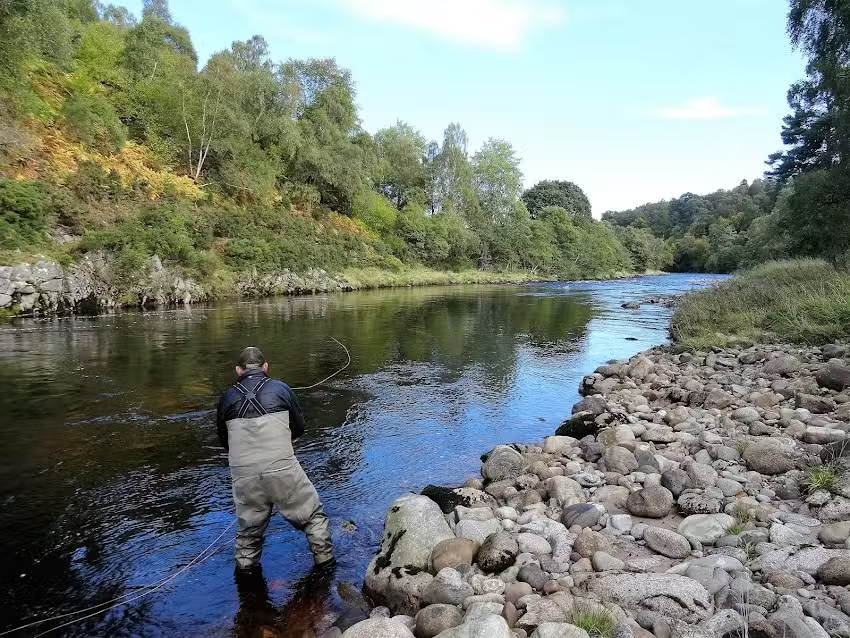
The core of the offer centres on guided salmon fishing on the River Findhorn, with access to private beats such as Altyre Estate, Upper Home Beat at Darnaway, Glenferness and Meads of St John. These are not generic stretches of river; they are highly regarded pieces of water with named pools, varying character and long track records of producing fish through spring and summer. For visiting anglers who do not have local contacts or syndicate memberships, Speycaster.net provides a structured route onto water that would otherwise be difficult to arrange, which is a strong positive point when comparing providers of Scottish salmon fishing experiences.
A defining feature is the emphasis on professional guiding and instruction led by Ian Neale and a small team of experienced guides such as Davie and Ali. Ian has more than four decades of experience on the Findhorn and presents himself as both a working ghillie and a qualified instructor, combining casting tuition with careful reading of water levels, fish movement and seasonal patterns. Client comments repeatedly highlight that guides do far more than net the fish: they adjust tackle, refine Spey casting technique, recommend patterns and, crucially, position anglers in the right spot at the right time. For guests who are still learning, this hands-on approach can make the difference between covering good water efficiently and spending a day struggling with unfamiliar conditions.
Reviews suggest that the guiding team is skilled at getting visitors fishing effectively even when circumstances are less than ideal. One angler described arriving without luggage and still being taken onto the river within hours, using spare waders and rods supplied by Ian, turning what could have been a wasted trip into a productive session on low water. Others mention starting a season with many blank days elsewhere, only to hook their first fish of the year within an hour when guided on the Altyre beat, emphasising the advantage of strong local knowledge and attentive coaching. This level of practical problem-solving and flexibility is attractive for travelling anglers who need assurance that they will not lose precious fishing time to logistics or poor planning.
Speycaster.net places particular focus on the Altyre Estate Beats on the lower River Findhorn, which offer over two and a half miles of largely private fly water divided into upper and lower sections for up to four rods. These beats sit below Poolie Falls at Sluie, close enough to the tide to hold fresh, sea-liced salmon and grilse when conditions are right, and they are described as consistently productive from early spring into late summer. The business highlights the potential for powerful early-season “springers”, with recent fish around the mid-thirties of pounds being carefully released, something that will appeal to anglers targeting quality rather than quantity. For guests comparing different Scottish salmon fishing holidays, the combination of private access and realistic chances of a strong early-season fish makes Altyre a genuine selling point.
Alongside Altyre, the Upper Home Beat on Darnaway is presented as a more intimate but dramatic stretch of the Findhorn gorge, offering exclusive salmon fishing for up to two rods with around fourteen named pools from Essiemore down to the Gorge Pool above Sluie. The character of this beat is steeper and more physical, with access paths, steps and ropes that help anglers reach the pools but still demand a reasonable level of fitness and confidence on uneven ground. For physically capable anglers seeking challenging wading and visually striking gorge pools, this can be a major attraction and is often described as a “bucket list” experience. However, for those with mobility issues or who prefer gentler banks, this aspect of the offer counts as a limitation and makes it important to match beat choice carefully to the needs of each party.
To balance the more demanding terrain at Upper Home, Speycaster.net also promotes the Meads of St John beat at Darnaway as well suited to beginners, intermediate salmon fly fishers and anglers with limited mobility. Here the river runs through more accessible banks and streamy runs leading into easily reached pools such as the Tail of St John’s, with well-defined paths and straightforward wading options. This allows the business to cater for mixed groups where some anglers want rugged gorge water while others need more forgiving access, improving its suitability for family trips or groups of varying ability and fitness. The variety of beats, coupled with tailored guiding, is a tangible strength when assessing the overall flexibility of the service.
Seasonally, Speycaster.net structures its availability to cover early spring, main spring and summer runs on the Findhorn, as well as options on the River Dee and River Spey. On the Findhorn, Altyre Estate and Darnaway provide early spring opportunities in March and April, with additional spring fishing on Glenferness and Altyre from May into June, followed by summer salmon and grilse on Upper Home, Altyre and Glenferness through July and into September. This planning reflects a detailed understanding of how water levels, temperatures and fish runs shift through the year, and it allows visitors to select dates that align realistically with their aims rather than relying on vague promises of good fishing “at any time”. For anglers trying to time a Scottish salmon fishing trip, such clarity on seasonal strengths is an important advantage when choosing between providers.
The instructional element is another area where the operation stands out. Speycaster.net is not only arranging access; it actively markets casting tuition, tactical advice and structured coaching for both beginners and more experienced rods wanting to sharpen their technique. Clients report being told exactly where to expect a take in specific pools and then hooking fish in those precise lies, which underlines the depth of pool-by-pool knowledge that informs the guiding. For those new to Spey casting lessons or to double-handed rods more generally, this gives confidence that days on the river will also function as practical training rather than simply guided fishing.
Real-world feedback on the experience tends to emphasise atmosphere as much as fish numbers. Many anglers describe days when salmon were hooked and landed, but others still speak highly of their time even when no fish were brought to the net, noting the quality of instruction, the scenery and the sense of being fully immersed in the river environment. This suggests that the business successfully sets realistic expectations around wild salmon fishing, where conditions, water height and fish movement can never be guaranteed. For potential clients, it is important to understand that Speycaster.net offers well-managed access and expert guidance, not a guaranteed catch, and most reviews seem to recognise this distinction while still rating their visits very highly.
From a customer service perspective, several consistent positives emerge. Guests highlight responsive communication before and after trips, follow-up sharing of photos from the day and a sense of personal connection with the guides, whose names and stories are often remembered long after the visit. Equipment support can be another strong point, with spare waders and rods available when airline delays or forgotten kit might otherwise prevent fishing. For travelling anglers planning guided fly fishing in the Highlands, this backup reduces risk and helps ensure that a lost bag does not mean a lost day on the river.
There are, however, some aspects that potential clients should consider carefully. First, the terrain on certain beats, particularly within the gorge sections of the Upper Home Beat, is inherently demanding despite the presence of steps and ropes; those with limited mobility or who prefer flat banks may find these areas tiring or intimidating. Second, the operation is tightly focused on wild Atlantic salmon fishing rather than a broader menu of species such as pike, trout or stillwater rainbow stocking, so anglers looking for a multi-species short break might find the offer narrower than that of some generalist fishing holiday providers. Third, as with all wild salmon fisheries, the quality of sport is heavily dependent on river levels, water temperature and run timing, and no matter how experienced the guide, there will be days when fish are seen but not hooked or when low water limits holding areas.
Compared with larger lodges or outfitters offering extensive accommodation and non-fishing activities, Speycaster.net presents a more focused product built first and foremost around the river, the beats and the guiding. Anglers typically arrange their own lodging nearby, with the business able to advise on suitable places but not operating as a full-service resort with on-site rooms and restaurants. For some visitors this is a positive, allowing them to tailor accommodation and dining to budget and taste, while for others who want everything under one roof it may be seen as a limitation. In this sense Speycaster.net occupies a clear niche: a specialist provider of guided access to high-quality salmon fishing beats rather than a general countryside hotel with fishing attached.
For anglers researching salmon fishing Scotland and comparing options, the main strengths of Speycaster.net lie in its long-term commitment to the River Findhorn, access to prime private beats on Altyre and Darnaway, and a guiding team whose local knowledge is backed up by many detailed client accounts. The operation is best suited to those who value attentive instruction, varied and often dramatic river scenery, and the chance of quality wild fish rather than guaranteed numbers. Prospective clients should be honest with themselves about fitness levels and preferences for terrain, and should also accept that any wild salmon trip is at the mercy of weather and water. Taken as a whole, the business presents a solid and clearly defined choice for serious salmon fishing trips in northern Scotland, with a track record of repeat visitors and consistently strong feedback on the professionalism and enthusiasm of its guides.