Spring grove
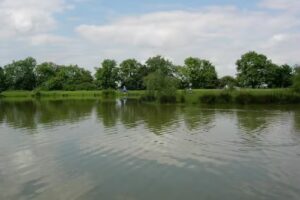
BackSpring Grove at 45 Eastwick Drive is a small, informal fishing venue that generates strongly mixed opinions among anglers. Some visitors describe it as a pleasant place to spend a few hours on the bank, while others raise serious concerns about water quality and fish welfare. For anyone considering a trip, it is worth weighing these contrasting experiences carefully and thinking about what you personally look for in a fishing lake.
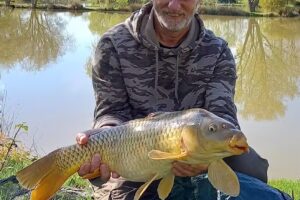
One of the most positive aspects reported by regulars is the apparent stock density and willingness of the fish to feed. Anglers talk about “non-stop fish” and describe sessions where bites come consistently, especially tight to the margins where there is natural cover from reeds and bankside vegetation. For those who enjoy active sessions with plenty of indications on the float or tip, this suggests that the water can provide exactly that sort of busy, bite-filled day. In this sense, Spring Grove can appeal to anglers who prioritise regular action over chasing a single specimen from a low-stock venue and who value a commercial fishery style experience with lots of fish present.
That steady action close in means the venue seems particularly suited to simple setups that are easy to manage for less experienced anglers. Short float rods, light fishing tackle and straightforward rigs fished just off the reeds are likely to produce, without the need for long-range casting or highly technical methods. This can be attractive for families bringing children for a first taste of angling, or for anglers who want a relaxed day with uncomplicated coarse fishing tactics. Comments describing the place as “great” support the idea that, in the right conditions, it can deliver an enjoyable, stress-free few hours of bank time.
However, the venue’s reputation is far from universally positive, and potential visitors should pay careful attention to the negative feedback. At least one angler reports arriving to see brown, lifeless-looking water with fish gasping around the edges, using words like “disgusting” and questioning how the location can be presented as respectable. Such observations raise understandable worries about water quality, oxygen levels and the overall way the fish are managed. When a day ticket fishery becomes associated with distressed fish, many anglers will rightly wonder whether appropriate monitoring, aeration and general fish care are consistently in place.
The contrast between these accounts is striking. On the one hand, some see fish “hugging the margins for food and cover” and interpret this as perfectly normal behaviour in a feature-rich bank area. On the other, others see similar scenes and conclude that the fish are struggling near the surface for air. Without scientific measurements on water quality, both perceptions can exist at the same time, but for a modern angling venue this level of disagreement among visitors indicates that conditions may vary significantly from day to day or season to season. For prospective visitors, it underlines the importance of checking the state of the water and fish on arrival before setting up for a long session.
The small number of public reviews also influences how the place should be viewed. With only a handful of ratings, each individual experience has a larger impact on the overall picture than it would at a heavily reviewed fishing spot. Several reviewers give maximum scores and use short, positive phrases, while the most critical comment goes into far more descriptive detail about what was observed. This does not automatically mean the negative view is more accurate, but it does suggest that conditions on the day of that visit left a strong impression. Anglers who value fish welfare may wish to take this into account and be prepared to leave if the water does not look healthy.
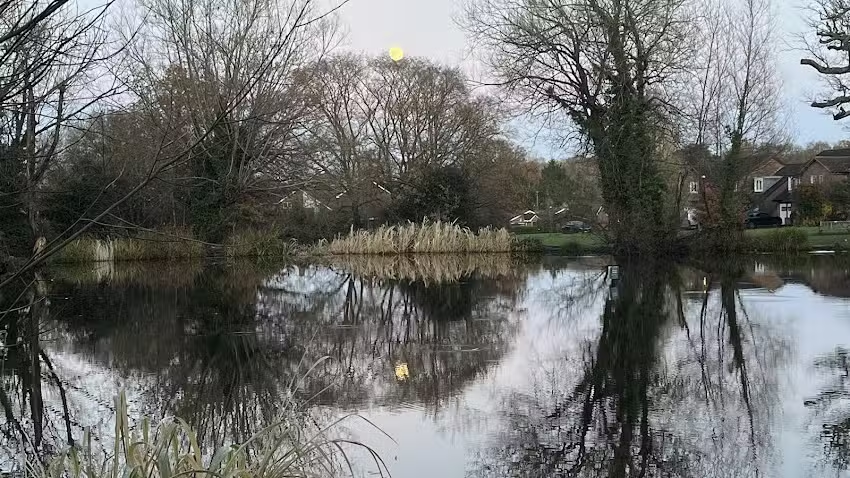
From a practical perspective, Spring Grove’s layout, with fish frequently found close to the edges, can be an advantage for those who like margin fishing. Reeds and bankside plants provide natural holding areas for fish looking for shelter and food items, making it a suitable place to use coarse fishing bait such as pellets, corn, soft hookers or maggots fished tight to cover. For anglers who enjoy refining their short-line presentation, experimenting with different baits and small changes in depth or shotting patterns, this sort of water can reward attention to detail. It can also be forgiving for novices who may not cast accurately at distance but can place a float under the rod tip with confidence.
On the other hand, anglers seeking a more natural, scenic or wild-feeling environment may find the venue less appealing. The limited description available suggests a functional setting rather than a landscaped, destination-style fishing complex, and the reports of discoloured water do little to promote a picturesque image. Those who like to combine their angling with photography, birdwatching or quiet time in a more rural setting might not find what they are looking for here. For them, the trade-off between convenience and ambience may not fall in Spring Grove’s favour.
Fish care and responsible angling are recurring themes in modern coarse angling, and Spring Grove’s mixed reputation touches directly on these points. A venue that offers “non-stop fish” can be tempting, but responsible anglers will also want to see evidence of good netting policies, appropriate stocking levels and visible efforts to protect fish during warm weather or low-oxygen periods. Although some visitors describe the place simply as “great”, others clearly feel that the fish are not being treated with the respect they deserve. Until there is more consistent transparency about how the water is managed, cautious anglers may wish to limit session length, use unhooking mats and barbless hooks, and be prepared to raise concerns if they see distressed fish.
Accessibility is another factor to consider. Being situated within a residential area makes Spring Grove relatively easy to reach for local anglers who want a short session close to home, perhaps after work or during a spare afternoon. For those nearby, the convenience of a local fishing pond with active fish can outweigh some of the drawbacks, especially if they are used to monitoring conditions themselves and choosing their times carefully. For anglers travelling from further afield, though, the mixed feedback and lack of detailed official information may make alternative venues with clearer reputations more attractive.
Price and value for money are always important to visiting anglers, even when exact figures are not discussed. With a water that can produce frequent bites when conditions are right, some anglers may feel they get reasonable value from a session, particularly if they focus on the convenience and the action rather than the setting. Others will judge value more in terms of fish condition, water quality and the professionalism of the management, and may feel that any amount of time or money is too much if they encounter distressed fish. These differing priorities among anglers explain why reviews can range from enthusiastic praise to blunt criticism.
For potential visitors deciding whether to add Spring Grove to their list of local options, it can help to think honestly about personal expectations. Anglers who simply want a local spot with the chance of plenty of bites using basic fishing gear might find it suits short, casual outings. Those who place a strong emphasis on fish welfare, water clarity and a more curated environment may find that the conflicting reports give them pause. In either case, arriving with an open mind, taking a moment to assess the state of the water and fish, and being prepared to adapt or leave if necessary are sensible steps.
Spring Grove presents a complex picture: a small, accessible water where some anglers enjoy lively sport in the margins, and others report troubling scenes of fish distress. It is neither a polished, heavily marketed carp fishing destination nor an untouched natural lake, but something in between, shaped largely by local use and the day-to-day reality of how it is managed. For anglers considering a visit, the key is to balance the promise of easy access and frequent bites against the concerns raised in more critical feedback, making a choice that aligns with their own standards for fish care and the kind of angling experience they want.