Spring Hill Trout Waters
BackSpring Hill Trout Waters is a small, dedicated stillwater fishery focused on fly fishing for trout, with a clear emphasis on providing a friendly, hands-on experience for anglers of all abilities. The fishery operates around three clear, spring-fed lakes stocked with quality rainbow and brown trout, and it attracts both seasoned fly anglers and complete beginners looking for a structured introduction to the sport. For anyone searching for an intimate alternative to large commercial venues, it offers a blend of well-managed water, personal coaching and relaxed, informal surroundings that many visitors find appealing.
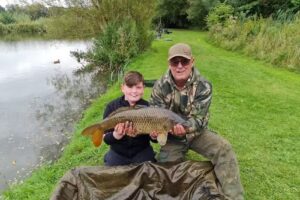
The layout centres on a main lake holding both rainbow and brown trout, supported by smaller ponds dedicated exclusively to brown trout. This variety gives anglers the option of targeting different species and styles of presentation in a single visit, from pulling lures on the main water to stalking browns in the smaller ponds. Stocking includes hard-fighting fish with individuals reported into mid-double figures, so there is genuine potential for memorable captures rather than only small stockies. At the same time, this is not a high-pressure competition venue; it is primarily run as a welcoming day-ticket fishery and teaching water, which shapes much of its character.
A consistent strength highlighted by many visitors is the quality of the trout themselves. Anglers frequently comment on the condition and fighting spirit of the rainbows and browns, describing fish that punch above their weight and provide a satisfying test on appropriately balanced tackle. The spring-fed nature of the lakes supports clear water and strong insect life, which in turn encourages trout to feed naturally rather than purely on pellets. When the conditions align, this leads to rewarding sessions with fish taken on imitative patterns and surface presentations rather than just bright attractors.
For those interested in traditional techniques, Spring Hill has a reputation for strong evening activity, with regular hatches of midge, caddis, sedge, mayfly and damsels that can make dry-fly sport particularly enjoyable. Anglers who enjoy matching the hatch can spend entire sessions targeting rising fish with small dries and emergers, while those who prefer subsurface methods still have success with nymphs and small lures. This balance makes the fishery attractive to both technical fly anglers and those still gaining confidence with casting and presentation. It is worth noting, however, that as with any trout fishery, hatches and surface activity are weather-dependent, so not every visit will coincide with ideal conditions.
One of the defining features of Spring Hill Trout Waters is its focus on tuition and coaching. The fishery is used by instructors for structured fly fishing lessons, and on-site tuition is available for beginners, improvers and those looking to refine casting or specific techniques. Visitors regularly describe tuition sessions where the instructor takes time to explain everything from rod set-up and knots to reading the water and handling fish carefully. Families and younger anglers, including children and teenagers, often report feeling involved and respected during lessons, which makes the venue a realistic option for parents looking to introduce their children to fly fishing in a controlled, supportive environment.
In addition to fly tuition, the fishery has also offered seasonal coarse-style introduction sessions for families, covering basic skills such as baiting hooks, playing fish safely and maintaining awareness around the water. These sessions are aimed at those with little or no previous angling experience and provide an accessible gateway into the wider world of fishing lakes. For more experienced fly anglers, one-to-one coaching is available to troubleshoot casting, line control and presentation, and many visitors credit these sessions with boosting their confidence and catch rates.
Facilities on site are relatively simple but adequate for a focused day of angling. There is a small lodge where anglers can take shelter, make use of toilet facilities and access hot drinks and light refreshments. Parking is available close to the water, which is particularly useful for those carrying multiple rods, waders or heavier tackle bags. Basic terminal tackle and small items can be purchased on site, and rod hire is possible for visitors who do not yet own specialist fly fishing tackle. Compared with larger commercial complexes, the infrastructure feels modest, but for many visitors this adds to the informal, club-like atmosphere rather than detracting from the experience.
Customer service is frequently highlighted as one of Spring Hill’s main strengths. Many visitors refer to the owners and staff as approachable, patient and genuinely invested in helping people enjoy their day. Newcomers are typically given practical advice about fly choice, depth and areas of the lake that are currently producing fish, rather than being left to work things out on their own. Regulars mention that they feel remembered and welcomed back, which helps build a sense of community around the fishery. For potential visitors, this culture of attentive support can be particularly reassuring if they are nervous about stepping onto a dedicated fly fishing lake for the first time.
From an angling perspective, the fishery’s scale has both advantages and limitations. On the positive side, the relatively compact size of the lakes makes it easier for beginners to cover water effectively and stay in touch with where the fish are holding. It also means that tuition sessions can be conducted in a controlled environment where instructors have a clear view of their students. More experienced anglers, however, may on occasion find the venue busy at peak times, especially during popular hatches, holiday periods or special events. On those days, the number of available swims and the need to share water with other anglers can limit the feeling of solitude that some people seek from coarse and game fishing venues.
Stocking policy is generally praised, with a steady flow of fish keeping catch rates healthy and giving realistic opportunities for multiple hook-ups in a session. Anglers report days with several trout landed, including quality rainbows and browns taken both from the main lake and the dedicated brown-only ponds. There are also mentions of the occasional surprise fish, such as cutthroat trout, which adds variety to a day’s sport. As with any stocked trout fishery, there can be periods when the fish prove more selective, particularly following sudden changes in weather or heavy angling pressure. On such days, success may depend more on careful fly choice, lighter tippets and finer presentation, which may challenge less experienced anglers.
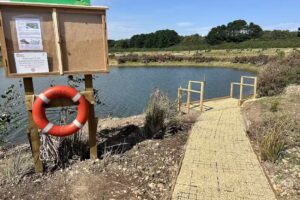
In terms of comfort and bankside presentation, the fishery is generally described as well maintained. Paths and swims are kept serviceable, with attention paid to mowing and vegetation control without stripping the banks of cover and character. Anglers often comment on the scenic surroundings and the sense of being in a quiet, natural valley, with opportunities to see kingfishers, wildfowl and other wildlife while fishing. On the downside, the very natural feel means that, in poorer weather, some areas can become muddy and less comfortable for those who prefer manicured platforms or fully paved paths, so appropriate footwear is advisable.
Accessibility is reasonable but not fully urbanised. The fishery lies off local country lanes, and visitors arriving for the first time may need to follow directions carefully to avoid missing the turn-in, especially in low light or poor visibility. For most anglers travelling by car, the journey is straightforward, and the on-site parking close to the lakes reduces the distance gear needs to be carried. However, those relying on public transport will find options more limited, and the last leg of the journey may require a taxi, making this venue less convenient than some fishing lakes located near major transport hubs.
Beyond day-to-day angling, Spring Hill Trout Waters regularly hosts instruction days, junior sessions and other small-scale events. These are typically focused on skills development and introducing new people to fly fishing rather than running high-profile competitions. Corporate days and group bookings can also be arranged, allowing small businesses or clubs to enjoy exclusive or semi-exclusive access under guidance. For potential visitors, this means there may be occasional dates when parts of the fishery are reserved for organised activities, so it is sensible to check availability in advance when planning a specific trip.
Another point to consider is that the fishery’s emphasis is firmly on fly fishing, and it is not a general-purpose coarse venue. Anglers who mainly use bait and standard coarse methods may find the offering limited if they are not interested in learning fly techniques. Conversely, for game-angling enthusiasts or those wanting to transition from coarse or sea angling into fly, the focused nature of the set-up can be an asset, as everything from the water design to the tuition and tackle provision is geared towards trout fly fishing. The presence of both stocked fish and more educated trout that have been in the water for longer creates an environment where anglers can progress from basic casting to more subtle, imitative approaches.
Feedback from families and juniors is notably positive, with many appreciating the way children are included in the experience rather than sidelined. Instructors and staff are often praised for adjusting their teaching style to different ages and confidence levels, from younger children having their first go with a rod to teenagers keen to master casting properly. That said, as with all fisheries, parents and guardians remain responsible for supervising children near the water, and some bankside areas and weather conditions may make the venue more suited to sensible older children rather than very young ones who are unsteady on their feet.
On balance, Spring Hill Trout Waters positions itself as a welcoming, instruction-focused fly fishing venue where the emphasis is on quality trout, well-managed spring-fed lakes and personal attention from experienced staff. The setting, insect life and stocking regime provide good opportunities for satisfying sport, particularly for those who enjoy traditional fly techniques and the challenge of tempting trout in clear water. Potential visitors should be aware that facilities, while adequate, are not luxurious, that the site can feel busy at peak times, and that access is easiest for those travelling by car. For anglers seeking a relaxed, friendly trout fishing environment with strong teaching support and an emphasis on both enjoyment and fish welfare, this fishery is a realistic option to consider.