Springfield Fishery
BackSpringfield Fishery is a secluded freshwater venue that attracts anglers who value space, variety and a more authentic style of coarse and predator fishing rather than heavily stocked, easy waters. Anglers talk about acres of water to cover, peaceful surroundings and fish that must be worked for, which gives each catch far more meaning than a quick session on a small artificial pond. While it is not a polished commercial complex with extensive facilities, it appeals strongly to those who enjoy traditional bank fishing, careful watercraft and time spent targeting quality fish in a natural setting.
One of the main reasons many people travel to Springfield Fishery is its reputation for specimen predators, particularly pike fishing. Reviews frequently highlight "monster" pike and strong, hard-fighting fish, with several visitors specifically mentioning double-figure pike taken from the reservoir. The size and depth of the water allow these predators to grow on, and anglers who are experienced with deadbaits or lures can find it a rewarding challenge. Unlike small put-and-take ponds, Springfield requires patience and some knowledge of pike behaviour, which makes a successful session especially satisfying for regular predator anglers.
Alongside its predator potential, Springfield offers plenty for those who enjoy mixed coarse and trout fishing. Reports from catch logs show regular rainbow trout captures along with perch and smaller pike, including sessions where multiple trout and several predators have been landed in a single day. For many families and newer anglers this mix is ideal, as there is the chance of bites from different species without losing the feel of a wild-water experience. Parents have described visiting with their children and seeing them catch their very first trout or pike, turning the fishery into a memorable introduction to the sport.
The atmosphere at Springfield is often described as friendly and welcoming, especially for those who may be new to reservoir-style fishing. Anglers mention the owner taking time to answer questions, explain the layout of the water and talk through tactics for the various species present. One visitor described chatting at length on their first trip and then spending several hours simply walking the banks, taking in the tranquillity and watching fish move across the surface. This personal, informal approach contrasts with more commercial venues and is a positive point for many regulars who appreciate approachable management rather than rigid, impersonal rules.
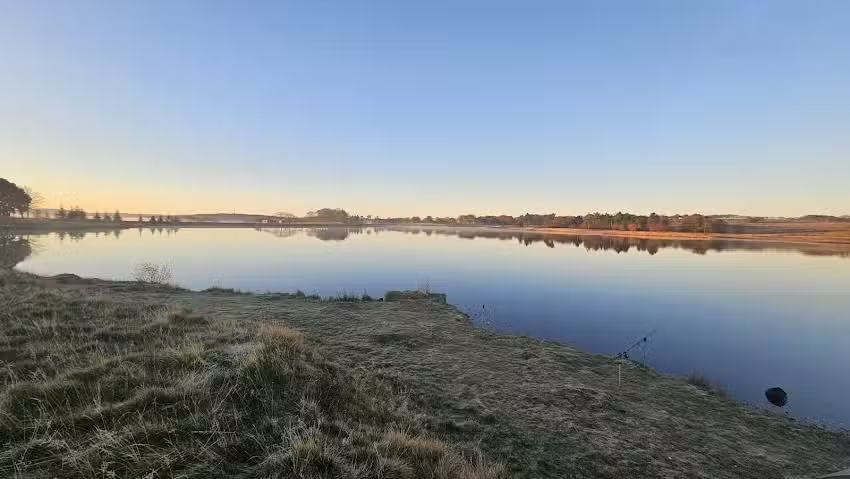
Scenery is another strong aspect of Springfield Fishery. Surrounded by open countryside, the water has enough space that anglers can spread out rather than being lined up shoulder to shoulder along a narrow bank. Visitors often comment on the sense of peace, with only wildlife and the occasional splash of a feeding fish breaking the quiet. For coarse and predator anglers who prefer to spend a full day working different swims, this setting helps create the kind of relaxed, unhurried session that is increasingly hard to find on smaller, urban fishing lakes.
From a practical standpoint, Springfield is a straightforward venue rather than a fully serviced leisure complex. There is access by road and space along the banks, but those expecting a café, tackle shop and extensive on-site amenities may find it basic compared with heavily commercial fishing venues elsewhere. This simplicity is not necessarily a negative, as many visitors value the focus on angling rather than hospitality; however, it does mean that planning ahead with food, drink, bait and equipment is important, especially for longer sessions or when bringing children.
The fishery’s character as “real fishing” is frequently emphasised by regulars. Some anglers compare it favourably with small commercial ponds where fish are densely stocked and almost guaranteed. At Springfield, the water is larger, fish can move freely, and success often depends on reading the conditions, choosing the right swim and adjusting tactics throughout the day. This appeals particularly to experienced anglers who enjoy using traditional watercraft. It can, however, be more demanding for novices, who may experience slower days if they are unused to this style of reservoir fishing.
Species variety is a notable strength. Anglers report catching rainbow trout, perch and northern pike with a range of sizes, including double-figure predators and respectable trout. For those seeking coarse fishing as well as game species, the presence of mixed fish adds interest; you might spend the morning targeting trout on artificial lures or flies and the afternoon setting up for specimen pike with deadbaits. This variety helps keep sessions engaging over many hours and makes Springfield appealing for groups of anglers who each enjoy different styles of fishing.
Families and younger anglers appear to have particularly positive experiences. Several accounts mention children catching their first fish, sometimes landing trout before a parent has even set up their own rod. The sense of achievement that comes from catching on a more natural water can be especially rewarding for youngsters, who gain exposure to the broader skills involved in angling, such as watching the wind, observing fish movement and learning patience. For parents seeking somewhere that offers a more genuine introduction than a heavily stocked pool, Springfield can be a strong option, as long as everyone is prepared for the possibility of slower spells between bites.
For predator specialists, Springfield’s reputation as a pike fishery stands out. Anglers targeting pike here typically talk about strong fights and quality fish rather than numbers of small “jacks”. Catch reports over recent years show consistent captures, including fish into double figures and sessions where pike and trout have both featured. Those who put the effort into understanding the structure of the water, seasonal movements and the best areas for bait or lure presentation often see the most success. The lack of constant pressure from overcrowded banks may also contribute to fish that fight harder and feed more naturally.
On the other hand, the focus on natural, less pressured fishing brings some drawbacks that potential visitors should weigh. Anglers who are used to busy commercial day ticket fisheries with high stocking densities might find Springfield comparatively challenging. There is no guarantee of easy catches, and weather conditions can have a noticeable impact on sport, with windy days making casting and presentation more difficult on open water. Those arriving without appropriate clothing, tackle or an understanding of reservoir conditions may leave feeling that the venue was tough, even though this is precisely what appeals to more experienced coarse and predator anglers.
Information about Springfield Fishery is not as heavily promoted online as some commercial waters, which can be both a plus and a minus. The relative lack of aggressive marketing contributes to the more relaxed, unspoilt feel, but it also means new visitors may need to do a little extra research on local regulations, available tickets and recommended methods. General best practice for Scottish stillwaters applies: check which parts of the water are open, confirm any rules regarding bait versus fly methods, and ensure that appropriate unhooking mats, nets and rigs are used for safe handling of larger pike and trout.
In terms of who is likely to appreciate Springfield most, it suits anglers who value space, quiet and a degree of challenge in their freshwater fishing. Predator enthusiasts with experience targeting pike on reservoirs will recognise the signs of a healthy water: mixed prey species, visible fish movement and the potential to locate big fish by carefully working different areas. Coarse and trout anglers who enjoy trying different tactics through the day—such as switching from spinners and small lures to ledgered deadbaits or float tactics—will find plenty to work with.
For occasional anglers or families looking for a relaxed day, Springfield can still be a good choice, provided expectations are set correctly. It offers the chance to fish a sizeable, natural-feeling water without the distractions of a busy leisure complex. Children may find it exciting to walk the banks, watch fish topping and see other anglers landing trout or pike. Parents should be ready for the fact that fish may not come thick and fast, but when they do, the sense of achievement is greater than on many small, intensively stocked ponds.
Taking everything into account, Springfield Fishery occupies a particular niche among Scottish fisheries. Its strengths lie in its scenic setting, welcoming attitude, mixed species and strong reputation for quality pike and trout. It is not the best match for those seeking café facilities, guaranteed high catch rates or a heavily structured commercial environment. For anglers who appreciate a more traditional reservoir-style session, however, with the possibility of memorable fish and quiet banks, it represents a genuine and often highly rewarding option.