Stoke-onTrent Angling Society
BackStoke-onTrent Angling Society is a long‑established members’ club that controls an extensive portfolio of stillwaters and river stretches, offering a broad range of coarse and specimen fishing for local and visiting anglers alike. From compact pools to large reservoirs and moving water, the society focuses on providing variety, structure and clear rules so that anglers of different ages and abilities can enjoy their sport in a relatively safe and organised environment. For anyone searching for a reliable base for regular coarse fishing or wanting access to multiple venues under one membership, this club stands out as a significant presence in the regional angling scene.
The society’s waters cater for a mixture of disciplines, with venues known for quality carp fishing, targeted sessions for specimen tench and bream, and rivers that hold barbel, chub, grayling and trout. This breadth means that a single card can cover casual pleasure sessions, serious specimen hunting and traditional river trips, which is attractive to anglers who do not want to be tied to only one style of fishing. Members often highlight that there are waters suited to short evening trips, as well as larger, more demanding venues where planning and watercraft really matter. For someone wanting to progress over time, the structure of the society encourages starting on easier pools before tackling more challenging lakes and rivers.
Feedback from anglers frequently mentions the generally well‑kept banks and pegs, with many waters benefitting from regular maintenance and stocking programmes. Visitors describe tidy paths and defined swims, and note that the waters are usually presented in a way that balances wildlife, public access and angling use. Members also comment positively on the sense of community, with more experienced anglers often willing to offer tips, help with tackle and share local knowledge about features, depths and productive methods.
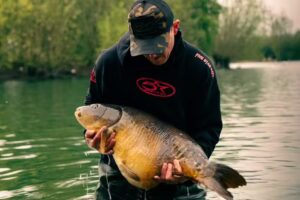
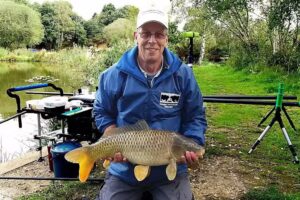
One recurring strength is the variety of venues under the society’s control, from small pools that suit beginners to expansive lakes and reservoirs where distance casting and careful baiting are required. Anglers report that some of the stillwaters hold good heads of carp, while others offer mixed bags of roach, perch, skimmers and tench, so it is possible to tailor each trip to a preferred style. On the river side, stretches with barbel, chub and grayling appeal to those who enjoy moving water and more traditional ledgering or trotting approaches. This mix makes the club attractive for anglers who enjoy both relaxed pleasure sessions and more focused specimen hunting within the same membership.
The society’s approach to rules is detailed and sometimes strict, but this is largely in the interests of fish welfare, safety and fair use of the waters. Clear guidance on tackle and methods, including limitations on certain hook patterns and minimum line strengths for pike, aims to reduce avoidable losses and damage to fish. There are rules covering the handling of captures, with an emphasis on keeping fish in the water as much as possible and avoiding unnecessary photography out of the water. For some anglers this level of regulation can feel restrictive, yet many others see it as evidence that the club takes stock protection and responsible angling seriously.
Membership is structured across different categories, including juveniles, adults and concessionary groups, and there are add‑on permits for specific types of fishing such as nights on particular waters. For those who mainly want daytime sessions, a standard card opens up a substantial list of venues at a cost that can compare favourably with buying regular day tickets elsewhere. However, anglers who wish to focus heavily on night fishing for carp or other species may find that the extra permits required add a noticeable amount to the overall cost, especially on popular waters. This is a trade‑off between the exclusivity and control that a permit system offers and the budget considerations of keen but cost‑conscious anglers.
Some feedback specifically mentions additional fees for night access on certain lakes, with particular frustration from anglers whose main interest is species such as tench rather than carp. The requirement to pay extra for a designated carp or night ticket, even when fishing for other species, can limit flexibility for members who like to fish into or through the dark in the warmer months. Potential members who are mainly focused on daylight sessions will be less affected by this, but anyone who regards night sessions as a key part of their angling should factor these costs into their decision.
At Astbury Mere and similar multi‑use venues, the society’s presence is sometimes viewed differently by anglers and general visitors. Reports from walkers and non‑fishing visitors note that stretches of bank are reserved for members, with signs and fencing that restrict access near the water’s edge in certain areas. For anglers this controlled access can mean more peaceful swims and better‑protected margins, while some local residents question whether such restrictions sit comfortably within what they see as a community space. Prospective members who value quieter pegs may appreciate these measures, but it is important to be aware of the debate around how angling rights interact with wider public use.
On the positive side, anglers who have spent time on society waters often mention that they feel safe and welcome, with a visible culture of respect for fish, banks and other water users. Encounters with bailiffs and officials are generally described as firm but fair, focused on checking permits, offering advice and encouraging adherence to the rules rather than confrontation. This can be reassuring for families and newer anglers who may be nervous about their first visits to more serious venues. The presence of an organised structure also means that issues such as litter, poaching or antisocial behaviour can be reported and addressed more systematically than on unmanaged waters.
The society places particular emphasis on nurturing younger anglers, with an academy and junior section that introduces children to the basics of water safety, fish care and effective methods. Coaching sessions are led by qualified, licensed angling coaches, and social media updates show pride in the development of young coaches as well as juniors progressing through the ranks. Parents are encouraged to attend, and junior matches and training days offer structured opportunities to move from simple float fishing towards more advanced techniques. For families looking for a club where children can learn properly rather than just “sitting with a rod”, this aspect is a significant strength.
The junior programme is often described as friendly and inclusive, with smaller “mini matches” that focus on learning and confidence rather than pressure to win. Entry fees for these events are kept modest, and equipment and bait can sometimes be provided, which lowers the barrier for families who do not yet own a full set of tackle. Many juniors go on to fish inter‑club, regional and national competitions, providing a pathway for those who discover a real passion for the sport. For the society as a whole, investing in juniors and coaching helps to maintain a responsible angling culture and a pipeline of future volunteers and members.
Adult members comment that the club atmosphere is generally supportive, with plenty of informal knowledge‑sharing on banksides and via online groups. Newcomers who ask for advice on how to approach specific waters such as Stanley Pool or Rode Pool often receive practical suggestions on methods, rigs and seasonal approaches, which can shorten the learning curve. For returning anglers who may be coming back to the sport after a break, this willingness to help can make the difference between a frustrating blank and a confidence‑boosting session.
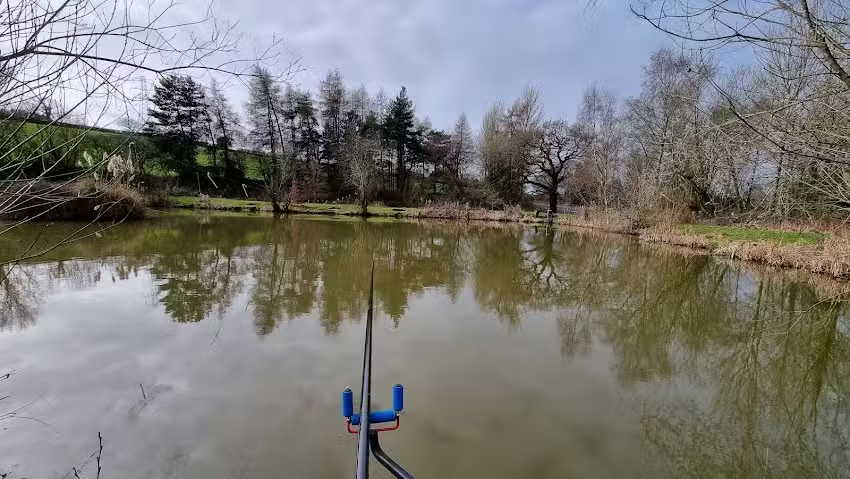
From a practical point of view, the society’s waters vary in ease of access, with some venues offering relatively flat paths and others involving steeper banks or more uneven ground. At places like Astbury Mere, visitors remark that the perimeter path is largely level and suitable for a range of mobility levels, while dedicated fishing pegs provide set‑up points for members. Other waters are more traditional in character, with natural banks and minimal hard standing, which will appeal to anglers who prefer a less manicured environment but may be more challenging for those with limited mobility. Checking venue details and recent comments before visiting a new water is advisable, especially for anyone with specific access needs.
As with any sizeable angling club, not every experience is perfect, and a small number of comments reference occasional issues such as weed growth, bank vegetation or pressure on popular pegs during peak times. The society appears to respond through organised work parties and ongoing maintenance, but prospective members who favour very quiet, lightly fished venues might sometimes find the busier waters less appealing. On the other hand, the level of activity and visible membership presence helps to maintain standards and keeps a flow of information about how waters are fishing, what tactics are working and any emerging problems.
For anglers specifically interested in carp fishing, the club’s carp‑oriented venues and ticket structures offer a focused environment where fish are carefully managed and rules are designed to support long‑term development of the stock. The requirement for additional tickets and adherence to specific rules, such as limits on certain rigs or methods, may feel demanding, but these measures contribute to stable, well‑conditioned carp populations. For those more inclined toward general coarse fishing, the mixed waters and river stretches provide abundant opportunities for pleasure sessions without needing to commit to specialist carp campaigns. Balancing these options within one membership is one of the society’s key selling points.
Overall, Stoke-onTrent Angling Society offers a structured, rule‑driven environment with a significant range of waters, a strong junior and coaching culture and an active community of anglers. The main considerations for potential members are the cost and conditions attached to night and carp access, and the way some shared venues manage the balance between angling rights and public use. Anglers seeking organised, well‑regulated fishing lakes and rivers, with scope for both relaxed pleasure angling and more serious campaigns, are likely to find this society a solid option, provided they are comfortable working within its rules and permit structure.