Summerfields Trout Fishery
BackSummerfields Trout Fishery is a compact, dedicated venue for fly fishing enthusiasts who prefer a focused, no‑nonsense approach to chasing hard‑fighting trout rather than a multi‑lake holiday complex. Set just off the A600 between Haynes and Cotton End, it has operated as a trout water since the late 1970s, so visiting anglers are stepping into an established fishery where stocking policy and bank layout have been refined over decades. The atmosphere is informal and centred firmly on the fishing itself, with simple facilities, clear rules and an emphasis on fish quality and water clarity rather than on‑site entertainment.
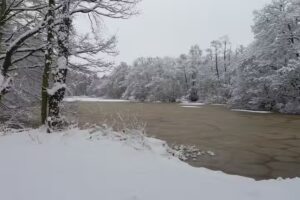
The heart of Summerfields is its man‑made, N‑shaped reservoir of around two and a half acres, with average depths of roughly eight to eleven feet and some holes dropping to about 35 feet. This depth profile gives trout cool water refuges in warmer months and helps maintain the clear conditions that many bank anglers value when targeting wary fish on light tackle. The banks are generally flat and dry, which makes it easier to move between pegs, set up safely and cast without constant footwork adjustments. For anglers who prioritise comfortable, stable bank access over wading, this layout is a practical advantage that directly improves time spent on the water.
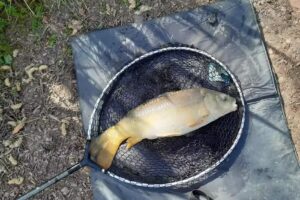
Summerfields is a trout fishery with a clear stocking policy focused on fish that offer a genuine contest on the line. The water is stocked with rainbow trout typically from a minimum of around 2 to 3 lb, with regular fish at 3, 4 and 5 lb and some brown trout reported up to double‑figure weights, including residents around the 18 lb mark. Anglers also note the presence of roach and rudd, which adds occasional variety but does not change the fact that this is run as a fly fishing only venue where bait and spinning are not part of the offer. For visitors specifically seeking a dedicated trout fishing experience, that clarity of purpose is a strong point.
Reports from anglers indicate that the trout here are energetic and often surprisingly powerful for their size, with several describing them as “fighting fish” and remarking on lively takes and spirited runs. One visiting angler highlighted a winter session in near‑freezing conditions that still produced a memorable brown trout, underlining that the depth and water quality can offer year‑round sport for those willing to put the effort in. Another described a satisfying day in which multiple fish were hooked and several returned, reflecting a stock that is both active and strong enough to give repeat action during a session. Comments from local club members also point to enjoyable visits and a sense that, while not cheap, the fishery can deliver a rewarding day when conditions and tactics align.
The rules at Summerfields are straightforward but strict, which will appeal to anglers who care about fish welfare and maintaining a quality trout lake. It is fly fishing from the bank only, so there are no boats and no bait fishing; this keeps pressure consistent and avoids conflicts between different styles of angling. Fish over around six pounds must be returned, and brown trout are to be released rather than taken for the table, helping preserve a class of larger fish that can give experienced anglers something to aim for across multiple visits. This approach, combined with clear depth and structure, makes the water particularly attractive to those who enjoy fine‑tuning patterns and retrieves for educated fish rather than simply putting a bait out and waiting.
From a practical perspective, Summerfields positions itself primarily as a day‑ticket venue, although more recent information notes that it is now operated as a private members’ syndicate. Applications for membership are handled via the official website, and anglers considering joining will want to weigh the cost of membership or day tickets against the size of the water and the style of fishing offered. Some visiting anglers have commented that prices feel relatively high for a small lake, especially when compared with larger multi‑lake complexes, but this needs to be balanced against the quality of the stock and the relatively low angling pressure. For those who value quieter banks, clear water and consistent fish care, the premium may be acceptable, whereas purely price‑driven anglers might regard it as a negative.
Facilities on site are deliberately limited, and this is both a strength and a drawback depending on what visitors expect. There are toilets available for those fishing the venue, but other amenities, such as bins and extensive on‑site services, are minimal; in fact, it is specifically noted that there is no rubbish bin, and anglers are expected to take their litter away with them. For some, this lean setup reinforces the sense of a traditional, no‑frills fishing lake where the priority is water quality, wildlife and angling rather than convenience. Others who are used to lodges, cafés or tackle shops on site may find the lack of added comfort a downside, particularly when factoring in the ticket price.
The setting itself is one of the clear positives mentioned in multiple sources. The lake is bordered on one side by the A600 and on the other sides by open countryside, with regular sightings of muntjac deer, herons, hares, rabbits, kites, buzzards and pheasants adding to the sense of being in a working rural landscape rather than a manicured urban park. While the proximity of the road does mean some background traffic noise at certain pegs, many anglers find that the wildlife and views compensate, creating a relaxed environment for a focussed session with the fly rod. For those who enjoy watching birdlife and seasonal changes in the bankside vegetation while working through different fly fishing patterns, this quiet backdrop is a practical advantage that enhances a full day by the water.
In terms of accessibility and target audience, Summerfields suits anglers who already have some experience with fly fishing for trout and are comfortable fishing from the bank. The flat banks and manageable size do make it approachable for newer anglers who want to practise casting in real conditions without the scale and complexity of larger reservoirs, and at least one visitor has described it as a “cool little lake for fly fishing”, which hints at a friendly, unintimidating feel. However, because it is strictly fly‑only and does not offer coarse or bait options, it is not the right choice for mixed groups where some members do not fly fish. Potential visitors should also be prepared to bring their own refreshments, tackle and any non‑essential comforts, as there is little in the way of on‑site retail or catering.
When evaluating Summerfields alongside other trout fisheries in the wider region, its main distinction lies in its compact footprint, depth profile and emphasis on clear, energetic fish. Larger venues may offer more variety, multiple waters and a broader spread of facilities, but Summerfields concentrates everything into a single N‑shaped trout lake, which allows regular visitors to build detailed knowledge of features, depths and productive drifts over time. This can be particularly appealing for syndicate members who want to refine their understanding of one water rather than moving constantly from fishery to fishery. On the other hand, anglers who enjoy covering new ground and trying different styles in one trip may find the single‑lake format restrictive, especially if conditions are difficult on the day.
Feedback from those who have fished Summerfields over recent seasons is consistently positive about fish quality, water clarity and the overall experience, with multiple anglers describing enjoyable sessions and memorable captures, even in challenging weather. Reviews point to good‑condition trout, lively fights and a sense that effort is rewarded, particularly for those prepared to adjust tactics, change flies and work the water rather than relying on one approach. At the same time, some comments mention that the cost can feel high and that the compact size of the fishery will not suit everyone, especially those used to extensive facilities or lower‑priced coarse venues. For prospective visitors weighing up where to spend their next fly fishing day, these points are worth considering to ensure that expectations match what Summerfields actually offers: a small, focused, well‑kept trout fishery aimed at anglers who value water quality and strong fish over extras and entertainment.