THE BARNES AND MORTLAKE ANGLING AND PRESERVATION SOCIETY
BackTHE BARNES AND MORTLAKE ANGLING AND PRESERVATION SOCIETY is a long‑established angling club offering members‑only freshwater fishing at a series of managed lakes and stretches of water in south‑west London. Rather than operating as a conventional retail tackle shop, it functions as a membership society focused on maintaining waters, protecting fish stocks and providing structured access to anglers who value quiet, well‑kept venues within reach of the city centre. For anyone considering joining an angling club instead of relying solely on day‑ticket waters, this society represents a distinctive option with its own strengths and weaknesses.
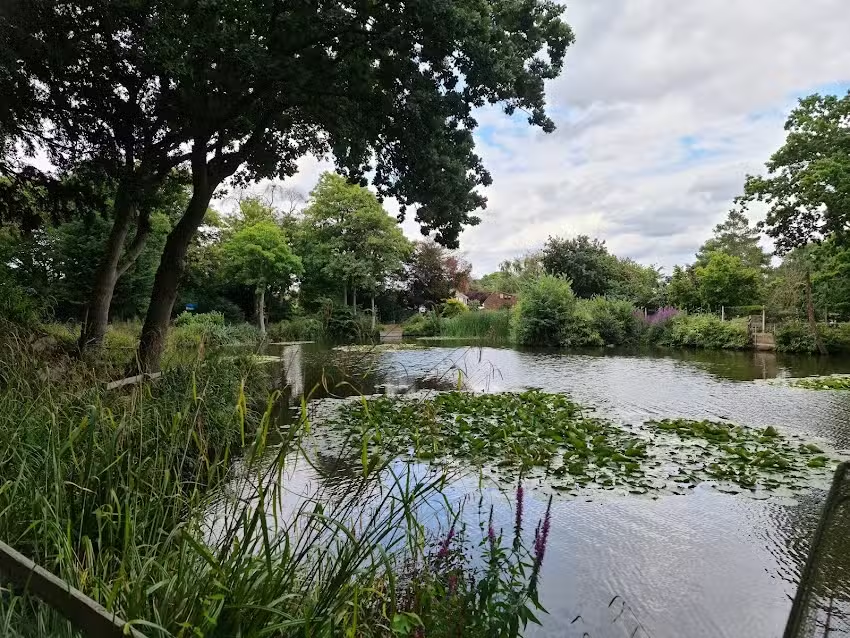
The club’s waters are described by members as scenic and surprisingly tranquil given their proximity to central London. Anglers highlight tree‑lined banks, wildlife and a generally peaceful atmosphere that contrasts sharply with busy commercial fisheries. This setting appeals particularly to those who enjoy session fishing and value the experience as much as the catch rate. Feedback suggests that the society offers varied environments rather than identical man‑made pools, which can be a strong draw for anglers who appreciate more natural surroundings.
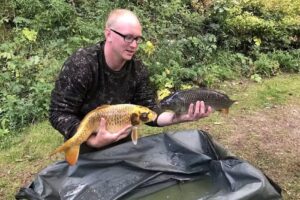
From a fishing perspective, the society provides a range of species that will interest different types of coarse angler. Reports from current members mention carp, tench, pike and bream among the main targets, indicating mixed coarse fishing rather than a single‑species emphasis. For many potential joiners this variety is a clear advantage, as it allows them to alternate between predator fishing in winter and traditional float or ledger fishing in the warmer months. The waters are not marketed as specimen‑only venues, but there is enough diversity to keep regular anglers engaged throughout the year.
For anyone building up their gear for these waters, typical equipment choices include a reliable carp rod, an all‑round feeder rod and a lighter float set‑up. Many members use a modern fishing rod paired with a smooth spinning reel or robust baitrunner reel for carp, while predator anglers often rely on a stronger rod and wire traces for pike. A compact selection of terminal tackle – fishing hooks, feeders, fishing line in different breaking strains and a small range of fishing lures – is usually enough to cover the main methods allowed on the society’s lakes. Because the club focuses on water management rather than retail, anglers are expected to arrive with their own full set of tackle rather than purchasing it on site.
Location and access are repeatedly highlighted as positive aspects. The society’s waters can be reached conveniently by public transport from areas such as Chiswick, Brentford, Barnes, Putney, Fulham and Hammersmith, which makes them appealing to anglers who do not drive or prefer not to take a car into London. Members point out that being able to reach a well‑run venue with a travel card and a short walk can be a decisive advantage over more remote day‑ticket fisheries that may require long motorway journeys. This accessibility can also make shorter after‑work sessions and spontaneous early‑morning trips more realistic.
The social atmosphere appears to be one of the club’s strongest points. Several long‑standing members describe a closely knit community in which regulars know one another by name and are generally willing to offer advice, whether it is about rigs, bait choice or which swims tend to produce at different times of year. New members who take the time to chat, attend work parties or get involved in club activities often find that they quickly become part of a friendly network. For anglers who enjoy the social side of the sport, this sense of belonging can be just as important as the fishing itself.
Voluntary involvement is also part of the club’s culture. Members note that the atmosphere is especially positive for those who are prepared to help with bank maintenance, work parties or committee‑supported projects. This hands‑on element can be attractive to anglers who want to contribute directly to the upkeep of the waters they fish, rather than simply paying a fee and leaving everything to a commercial operator. It can also foster a stronger sense of shared responsibility for fish welfare and the general environment.
However, not all feedback about the society is positive, and potential members should take this into account. Some anglers have expressed concern that the club has declined in recent years, pointing to repeated fish kills on more than one lake and criticising how these incidents were managed. Such events are serious for any angling organisation, as they suggest issues with water quality, stocking policy, crisis response or communication with the membership. For those considering investing time and money into a club, these concerns may prompt questions about long‑term planning and how the committee deals with environmental challenges.
Criticism has also been directed at the club’s management structure. Comments referring to poor committee performance suggest that not all members feel their views are listened to or that decisions are always timely and transparent. In a member‑run club, the effectiveness of the committee is crucial, as it directly influences budgets, stocking priorities, rule changes and responses to emergencies on the water. Some anglers express hope that new management will eventually be installed, which indicates a level of frustration with the current leadership among part of the membership.
Balancing these perspectives, it is clear that experiences vary considerably from one angler to another. Some long‑term members remain very satisfied, praising both the fishing and the camaraderie, while others are strongly disappointed by perceived mismanagement and recurring problems with fish welfare. This contrast is not unusual in volunteer‑run societies, where the quality of communication, openness to feedback and pace of change can differ greatly depending on who sits on the committee at a given time. Prospective members may wish to weigh recent comments more heavily than older ones, and to speak directly with current anglers on the bank where possible.
From a practical standpoint, anyone joining this society should be prepared to follow club rules designed to protect the waters and fish stocks. These typically include requirements for unhooking mats, barbless or micro‑barbed fishing hooks, appropriate fishing line strengths to prevent crack‑offs, the correct use of landing nets and sensible handling of carp and other larger species. Anglers who already own quality carp fishing tackle, such as padded mats, weigh slings and suitable nets, may find it straightforward to comply, while beginners might need to upgrade some items before fishing the club waters.
Techniques used across the lakes reflect mainstream UK coarse methods. Carp anglers tend to rely on bottom baits and wafters presented on hair rigs, fished on lead‑clip or inline systems with reliable monofilament or braided fishing line. Tench and bream specialists may favour traditional feeder tactics or float fishing close in, making good use of sensitive feeder rods and fine‑tuned bite indication. Predator anglers generally employ deadbaits or spinning lures for pike, with trace wire and strong, sharp fishing hooks to minimise deep hooking and ensure safe unhooking. Because these are club waters rather than heavily stocked commercial pools, anglers often need to think carefully about watercraft, weather conditions and subtle presentation.
While the society itself is not a tackle retailer, many anglers who fish its waters complement their membership by buying equipment and bait from specialist outlets and online stores. Popular items include versatile fishing lures for predator sessions, durable fishing reels suited to repeated casting and playing fish in snaggy margins, and robust holdalls for carrying rods and banksticks on public transport. With an increasing range of online shops offering extensive catalogues of fishing tackle, new members can assemble a tailored kit that suits both the society’s waters and other venues they visit.
Accessibility on the bank is another consideration. Information available indicates that there is at least some wheelchair‑accessible access associated with the society, which makes certain areas more practical for anglers with reduced mobility. However, because many of the waters retain a fairly natural character, not every peg will necessarily be easy to reach with a barrow or chair. Prospective members who need specific access arrangements may benefit from visiting in person to assess bankside paths, gradients and parking arrangements before committing.
The society’s membership model will suit anglers who value regular access to the same waters and the chance to learn their moods and features over time. For those prepared to invest in this style of fishing, joining a club can prove more rewarding than relying solely on day‑ticket visits to constantly changing venues. At the same time, anyone considering membership should realistically evaluate the criticisms raised, especially regarding fish welfare incidents and perceptions of committee performance, and decide how important these factors are to their own experience of angling.
Ultimately, THE BARNES AND MORTLAKE ANGLING AND PRESERVATION SOCIETY offers a blend of accessible London‑area waters, varied coarse fishing and a strong community feel for those who choose to participate actively. Its strengths lie in scenic venues, reasonable travel requirements and a friendly core membership that enjoys sharing advice and stories on the bank. Its weaknesses centre on reported fish kills and concerns about management, which may matter more to some anglers than others. For prospective members looking for regular coarse or carp fishing close to the capital, it is a club worth considering carefully, ideally by speaking directly with existing members, assessing the condition of the waters in person and ensuring that their own expectations align with what this long‑standing society currently provides.