
The Dixie Pike Pond
BackThe Dixie Pike Pond is a modest but characterful fishing water that draws mixed reactions from anglers and local visitors, making it an interesting option for anyone considering a new venue for pike fishing in North Lanarkshire.
Set beside a main road and bounded by urban development, it does not present the picture-perfect landscape of some larger commercial fisheries, yet its accessible location and informal feel appeal to anglers who enjoy straightforward, no-frills coarse fishing.
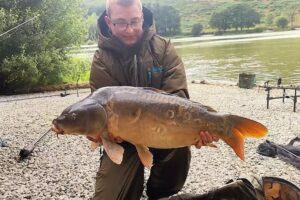
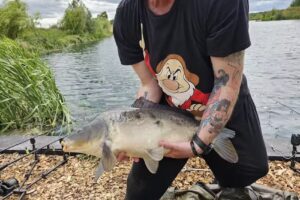
The pond is best known for its resident pike, with at least one reported fish of around 13 lb giving substance to its reputation as a spot where predators can reach respectable sizes for a small urban water.
This anecdotal evidence of double-figure fish suggests a population capable of producing rewarding sessions for anglers who specialise in predator fishing and are prepared to put in the time to locate and tempt larger specimens rather than expect instant action.
At the same time, some casual visitors describe the pond dismissively as little more than a big puddle and even question whether it holds fish at all, underlining how variable individual experiences can be and how much they depend on angling skill, conditions and expectations.
For anglers used to purpose-built commercial venues with clearly defined pegs, platforms and on-site facilities, Dixie Pike Pond can feel rough around the edges, but for others this informal character is precisely what makes it worth a visit.
Fishing character and target species
Reports and local listings consistently identify the water as a pike fishing lake, and the name itself reinforces that focus on predators rather than mixed coarse stocking.
Anglers who have fished similar small ponds for pike typically find success by targeting features such as reed beds, overhanging trees and any changes in depth, all of which can concentrate prey fish and provide ambush points for larger predators.
In ponds of this size, pike often patrol the margins, particularly in low-light periods, so approaches that cover the edges methodically with lures or natural baits can be more productive than simply casting a static rig to the middle and waiting.
While there is no detailed public stocking list, the confirmed capture of a 13 lb fish points to a water that can produce worthwhile predators for anglers who enjoy specimen pike fishing without travelling far.
The pond’s modest scale also means that, once an angler has learned its contours, wind patterns and holding areas, it becomes much easier to interpret the water and apply targeted methods rather than treating it as an unknown every time.
Techniques and tackle for Dixie Pike Pond
Given the pond’s size and likely structure, many visiting anglers will favour mobile methods using lures rather than static deadbaits, allowing them to cover water and search out active fish.
Short-to-medium casting distances are usually sufficient in such venues, so a balanced setup with a strong predator rod, reliable reel and braided mainline around 30 lb offers security when playing larger fish close to snags.
Bright or flashy lures, such as spoons and spinnerbaits, can work well in the warmer months when water clarity allows pike to home in visually on moving prey, while more natural patterns may prove more convincing in clear, cold conditions.
Anglers who prefer bait fishing might opt for small deadbaits presented on safe rigs, ensuring they adhere to local regulations and follow best practice for fish welfare, especially in a compact water where stressed fish have fewer refuges.
Regardless of method, essential unhooking tools such as long forceps or pliers, side cutters, a sufficiently large landing net and an adequately padded unhooking mat are important for handling pike responsibly and supporting the long-term health of the stock.
Strengths of the venue
One of Dixie Pike Pond’s most notable strengths is accessibility: set alongside a major road, it is easy for local anglers to reach for short sessions before or after work, making it a practical option for regular coarse fishing.
The informal nature of the water appeals to anglers who value a straightforward, low-key experience without the formality of day-ticket offices, on-site shops or tightly regulated peg systems.
For predator anglers, the confirmed presence of double-figure pike creates a genuine sense of potential, especially for those who enjoy the challenge of extracting good fish from relatively overlooked urban waters.
The pond also holds interest for wildlife enthusiasts, with regular visitors noting that it attracts migrant birds in both summer and winter, giving the area a broader appeal beyond pure angling and adding to the sense of being close to nature despite the roadside setting.
This mix of fishing opportunity and birdlife means that some visitors see the pond as a place to spend unhurried time outdoors rather than solely as a high-performance angling venue.
Limitations and common criticisms
Not all feedback is positive, and anyone considering a visit should be aware of the pond’s limitations, particularly if they are used to modern commercial fisheries.
Some reviewers dismiss the water as a large puddle and question whether it contains any fish at all, suggesting that, for inexperienced anglers or those visiting in unfavourable conditions, it can feel unproductive and underwhelming.
The lack of detailed official information on stocking, swims and bank maintenance means that new visitors must rely heavily on observation, local word of mouth and trial and error, which does not suit everyone.
Facilities around the pond are basic, so it is not the best choice for families expecting amenities such as on-site refreshments, toilets or tackle shops, and visitors need to arrive self-sufficient and prepared for changeable weather.
Bank access and comfort can also vary, with natural, uneven ground in places that may be challenging for anglers with limited mobility or those carrying a great deal of gear for longer sessions.
Who Dixie Pike Pond suits
Dixie Pike Pond is likely to appeal most to independent-minded anglers who enjoy urban and semi-urban waters, are comfortable fishing without detailed venue leaflets and are happy to build their own understanding of a water over repeat visits.
Predator enthusiasts looking for accessible pike angling with the possibility of double-figure fish may find it a worthwhile addition to their local circuit, especially during key periods such as early spring and late autumn when pike often feed more confidently in small ponds.
For coarse anglers seeking guaranteed high catch rates of mixed species, or for those who prioritise comfort and comprehensive facilities, other commercial fisheries in the wider region may feel more suitable.
Wildlife watchers and walkers who appreciate seeing waterfowl and migrant birds may also value the pond as part of a broader outing, even if they do not fish, although the immediate environment remains more functional than scenic.
As with many small, informal waters, the satisfaction it offers tends to correlate closely with how much effort visitors are willing to invest in understanding the venue and adapting their expectations accordingly.
Practical considerations for visitors
Anglers considering a session at Dixie Pike Pond should start by familiarising themselves with local bylaws and general pike fishing guidance, including closed seasons, bait restrictions and handling recommendations, as these can change and may be enforced by local authorities or associations.
Because information about ticketing or permissions is not heavily publicised, it is sensible to seek up-to-date guidance from local tackle shops, angling clubs or online communities who may know whether the water is currently controlled, free to fish or subject to specific rules.
In terms of timing, many anglers find that early morning and late afternoon provide the best windows for predator fishing in small ponds, especially during cooler months when pike are more active at the edges and daylight is limited.
Weather conditions and recent rainfall can influence water clarity and levels, so it is worth being flexible in approach, switching between lures and baits, varying retrieve speeds and exploring different depths until signs of activity are found.
Finally, practising careful fish handling, taking litter home and respecting wildlife all help maintain the pond as a viable local venue, supporting both the fish population and the broader environment on which small waters like this depend.
Balanced view for potential visitors
Dixie Pike Pond sits somewhere between an urban wild water and a lightly used local fishery, offering a blend of opportunity and challenge that will not suit everyone but can be rewarding for those whose expectations align with what it actually provides.
Its strengths lie in accessible pike fishing, the proven presence of at least one double-figure fish, and the chance to enjoy predator angling in an informal setting supported by migrant birdlife and a sense of local character.
Its weaknesses revolve around limited facilities, mixed feedback on fish stocks from less successful visitors, and a general lack of detailed official information, all of which require prospective anglers to be self-reliant and realistic about what the water can deliver.
For some, those drawbacks will be decisive and lead them to seek out larger, more developed commercial fisheries; for others, they form part of the appeal, turning each take into a hard-earned reward rather than a routine occurrence.
Anyone drawn to the idea of accessible urban coarse fishing with the chance of a decent pike, and who is prepared to accept variable results, may find Dixie Pike Pond worth adding to their list of local waters to try.