The Rod Box
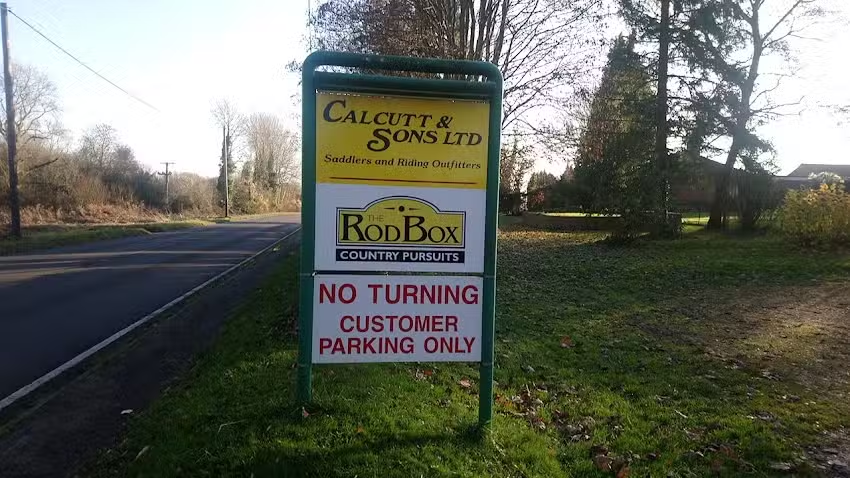
BackThe Rod Box is a long‑established specialist fly‑fishing shop that focuses on personal service, practical advice and carefully chosen tackle rather than sheer size or hype. From its premises on the first floor at Calcutts, Bullington Lane in Sutton Scotney, it serves anglers who are serious about their time on the water and prefer to talk to someone who genuinely understands rods, lines and local conditions rather than scrolling endlessly through anonymous listings.
The first impression many visitors mention is how strongly the shop reflects its owner’s personality and experience. Instead of a generic retail space, you find walls lined with carefully arranged fly boxes, racks of quality rods and a mix of new and second‑hand tackle that has clearly been selected with thought. The space is not huge, and it can feel packed if several customers arrive at once, but the compact layout means almost everything is within reach and easy to compare side by side.
Although it has been categorised as a clothing outlet in some listings, customers quickly realise that The Rod Box is about much more than jackets and waders. The core is a focused range of tackle for game and coarse anglers, with a clear emphasis on fly fishing tackle rather than general outdoor gear. You can expect to find fly rods across a sensible spread of line weights, reels suited to river and stillwater work, and a variety of lines to match them. The balance of the stock reflects a traditional approach: quality over novelty and brands chosen for reliability in British conditions.
One of the defining features of the shop, and the reason many anglers travel out of their way to visit, is the depth of knowledge offered across all aspects of angling equipment. Regulars describe the proprietor, Richard, as patient and genuinely interested in how and where you fish. Instead of pushing the most expensive option, he tends to ask questions about your usual venues, target species and casting style, then suggests practical combinations of rod, reel and line that make sense technically and financially.
Newcomers to fly fishing often find the learning curve steep, particularly when trying to understand weight ratings, leaders and fly patterns. The Rod Box stands out here because it treats beginners with the same respect as long‑time river anglers. Customers mention being guided through the basics of choosing a balanced outfit, having lines fitted to reels while they wait and receiving clear explanations of why a particular taper or breaking strain might suit their fishing. For someone buying their first serious outfit, that sort of care can make the difference between an enjoyable start and months of quiet frustration.
The selection of terminal tackle and flies is another strong point. Rather than endless rows of similar patterns, the shop focuses on what actually produces fish on local rivers and stillwaters. Hand‑tied flies, selected nymphs and dry patterns are grouped so that you can quickly assemble a box for trout, grayling or stillwater rainbows without feeling overwhelmed. For anglers who tie their own, there is usually a sensible supply of hooks, materials and tools, with honest advice on which items are genuinely useful and which can be left until later.
Beyond pure fly gear, there is a modest but well‑chosen spread of general fishing tackle to support different styles. Visitors have highlighted a useful range of lines for other methods, accessories such as nets and luggage, and a selection of pre‑owned rods and reels that can be an economical way into higher‑end kit. The second‑hand stock is checked and described realistically, so bargain‑hunters can pick up equipment with confidence instead of gambling on anonymous online listings.
Local knowledge is one of the shop’s most valuable assets. When anglers ask where to go or how a particular river is fishing, they are not handed a generic leaflet but receive specific, up‑to‑date suggestions based on years spent on the same waters. That might mean a recommendation for a certain stretch of river at a particular height, guidance on fly choice for current hatches or warnings about venues that are coloured or running high. For visiting anglers, this insight can save a wasted trip; for locals, it helps them fine‑tune their approach and make the most of limited free time.
Service at The Rod Box is deliberately traditional. Many visitors comment on how quickly small jobs are handled, such as fitting new line to a reel or adjusting backing and knots. Having a line professionally installed, with the right amount of backing and a neat connection, is something that online retailers cannot easily provide. The same applies to small repairs and troubleshooting: problems with loops, leaders or basic casting issues are often solved on the spot with a few minutes of conversation and practical suggestions.
For all its strengths, the shop is not without limitations, and potential customers should be aware of these before planning a visit. Its size naturally restricts the breadth of stock, so those looking for an enormous warehouse of gear or highly niche products may not find everything they want on the shelves. The focus remains firmly on game and related tackle; anyone seeking an extensive range of sea‑fishing hardware or the very latest carp bivvies may feel the choice is relatively narrow, even though there are useful bits and pieces for more general coarse work.
Another consideration is that the business is built around face‑to‑face interaction, which is one of its greatest strengths but also a practical limitation for some anglers. Those who expect to browse thousands of items online, place an order at any hour and track delivery in real time might find The Rod Box’s more traditional trading style less convenient. While there is an online presence, the real value lies in standing in the shop, handling rods and reels and talking through options with someone experienced. For some, that will be part of the appeal; for others, especially those living far away, it may feel less accessible.
Because the service is personal and detailed, customers occasionally need to be patient if the shop is busy. When one angler is having a new outfit built, discussing fly selections or asking in‑depth questions about local rivers, other visitors might wait a little longer to be served. This is not indifference but the inevitable result of a one‑to‑one approach. Anglers who appreciate thorough attention usually see this as a fair trade‑off, though anyone in a hurry might prefer to visit at quieter times.
Accessibility and atmosphere are often mentioned as positives. The premises are straightforward to reach by road, and the interior feels more like a well‑used tackle room than a polished showroom. That means boxes on the floor, racks that invite browsing and the occasional sense of clutter, but it also gives the impression that the gear is there to be used, not just displayed. Many visitors remark that they could happily spend hours simply looking through fishing rods, reels and accessory boxes, picking up ideas for future trips.
The Rod Box also benefits from continuity. Having the same experienced proprietor behind the counter year after year allows relationships to build. Regular customers often return not just for more fly rods or leaders, but to report on how a suggested set‑up performed or how a particular fly pattern worked on their last outing. That ongoing conversation helps the shop refine its recommendations and keep its selection of fishing gear aligned with what actually produces results.
For those new to the sport, the combination of practical stock and friendly advice makes The Rod Box a realistic place to begin. Instead of being overwhelmed by technical jargon, beginners are guided step by step through the essentials: choosing a suitable rod and reel, matching line weights, setting up leaders and selecting a manageable range of patterns. They leave with equipment that has been matched to their needs and an understanding of how to use it, rather than a random bundle of items purchased on impulse.
Experienced anglers tend to value different aspects. They may come seeking a specific upgrade in their fly fishing gear, looking for subtle differences in rod action, reel drag or line design. Here, the shop’s ability to discuss finer technical points and compare real‑world performance becomes particularly useful. While the overall range is not as vast as the biggest online outlets, the stock that is carried has usually been chosen because it stands up well on rivers and lakes, not just because it is heavily advertised.
In terms of pricing, The Rod Box positions itself realistically rather than trying to undercut every online deal. Customers are paying for tangible benefits: honest advice, the chance to handle and test gear, and after‑sales help if something does not perform as expected. For many anglers, especially those buying key items such as a primary rod, reel or line, that added value often justifies spending a little more than a bare‑bones internet purchase. However, bargain hunters who look only at headline prices might feel that some items appear slightly higher than the cheapest offers found elsewhere.
Overall, The Rod Box appeals most strongly to anglers who appreciate a traditional, relationship‑based tackle shop focused on fishing tackle that works, straightforward conversation and realistic advice. Its strengths lie in knowledge, personal service and a well‑thought‑out range of gear for fly and game fishing. Its weaknesses are mainly structural: a limited physical size, a more modest online presence and a narrower spread of disciplines compared with large multi‑genre retailers. For many, though, those same characteristics are part of its charm, making it a place they are happy to detour to when they need reliable angling tackle and practical guidance for the next day on the water.