Thornwood Springs Trout Fishery
BackThornwood Springs Trout Fishery presents itself as a dedicated venue for stillwater fly anglers who value clear water, varied trout species and a focused, fishing‑first atmosphere rather than a general leisure complex. The fishery consists of several spring‑fed lakes and pools fed by chalk streams, offering crystal‑clear conditions that particularly suit sight‑fishing and careful presentation with a fly rod. For anyone interested in fly fishing for trout, this is a specialist destination with a strong local reputation, but it also comes with some considerations around cost and on‑site comfort that are worth weighing up.
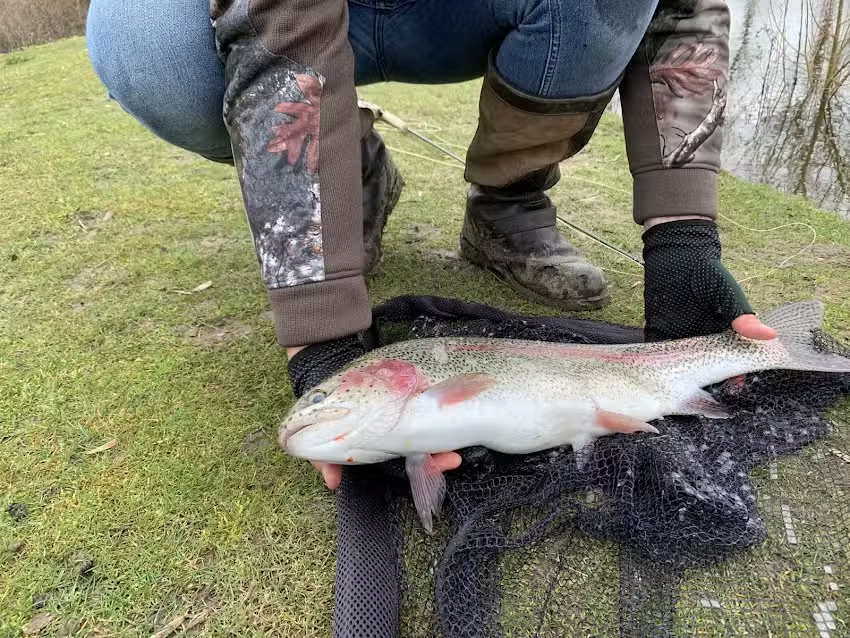
One of the strongest aspects of Thornwood Springs is the variety and quality of its trout. The lakes are stocked regularly with hard‑fighting rainbow and brown trout, with fish commonly reaching double figures and some specimens reported at well over 7lb, which appeals to anglers looking for a realistic chance of larger fish. Anglers also mention less common species such as Spartic trout, along with blue and tiger trout on certain tickets, adding extra interest for those who enjoy targeting different strains. This breadth of species makes the venue attractive to experienced anglers who want more than standard stockie fishing, while still remaining accessible for those catching their first fish on a fly rod.
The water itself is a major selling point. Being spring‑fed, the lakes are notably clear, allowing anglers to stalk cruising fish and observe how trout respond to different patterns and retrieves. The beds are a mix of gravel, clay, sand and chalk, which encourages an abundant insect life including mayfly, damsels, buzzers and sedges, with significant terrestrial hatches such as hawthorn flies. This rich natural food supply suits traditional fly anglers who value matching the hatch and fishing dries or nymphs rather than relying solely on stocked‑fish tactics. Reports indicate that dry‑fly opportunities extend through much of the year, which is not always the case on stillwaters in the region.
Another practical advantage is that Thornwood Springs operates all year, supported by relatively deep pools and active aeration systems that help maintain water quality and oxygen levels in warmer months. This year‑round approach appeals to anglers who do not want their trout fishing restricted to a short season and who are willing to fish in a range of weather conditions. In addition to trout, the fishery also promotes summer specimen fishing for species such as rudd, crucian, tench and perch in carp‑free waters, which may interest coarse anglers who prefer quieter venues without large carp.
The set‑up is designed with both newcomers and seasoned anglers in mind. Instruction can be arranged on site, and reviews frequently mention the owner and coaches as knowledgeable, approachable and actively involved in helping visitors improve their casting and fish‑playing skills. Several anglers describe catching their first trout on the fly here, including younger visitors, suggesting that the fishery can be a good choice for a first proper stillwater fly session under guidance. The presence of instructors and friendly management close to the banks offers reassurance to those who may be unsure about tackle, presentation or fish handling.
Families and small groups are also catered for, within the limits of a fishing‑centred venue. Parent‑and‑child ticket options, group coaching days and events such as taster sessions make it possible to introduce juniors to trout fishing in a structured way rather than leaving them to figure things out alone. The fishery promotes educational visits and guided sessions, which can suit school groups, corporate days or organised clubs who want a managed introduction to stillwater fly techniques. That said, it remains primarily a fishery rather than a general family attraction, so those seeking playgrounds or non‑fishing entertainment will not find much beyond the water and surrounding countryside.
On the facilities side, Thornwood Springs offers the essentials that many anglers expect. There is free on‑site parking, toilets and a small clubhouse or lodge area that provides somewhere to sit down and have a drink. A modest tackle shop stocks rods, reels, lines, starter kits and a broad selection of flies, which is particularly useful if you arrive without the right patterns for the day’s conditions or if you are new and building up your fly box. Limited refreshments are available, and anglers fishing the lakes are often offered hot drinks, while groups can arrange catering or use BBQ facilities by prior agreement.
Accessibility is relatively good for a rural fishery. There is provision for disabled parking and toilets, and guide dogs are accepted on site. The fishery is within a short drive of a London Underground terminus, which means keen anglers without a car can combine public transport with a taxi or short onward journey. These features broaden access for those who might otherwise struggle to visit more remote trout waters, particularly beginners who are still testing whether the sport suits them before committing to more distant or costly trips.
In terms of atmosphere, many visitors describe Thornwood Springs as relaxed and informal while maintaining a clear focus on fish welfare and fishery rules. The spring‑fed setting attracts a mix of wildlife and birdlife, including birds of prey, which adds appeal for those who appreciate a more natural environment while they fish. This character tends to suit anglers who prefer a quieter, more traditional stillwater experience rather than a heavily commercial complex with non‑fishing attractions.
However, potential visitors should be aware that pricing is a recurring talking point. Some anglers feel that the fee structure and fish allocation are on the higher side when compared with other trout fisheries in the region, particularly where a limited number of fish are included before moving to catch‑and‑release or ending the session. For those who measure value largely by how many trout they take home, this can make the venue seem less competitive than alternatives offering lower‑priced day tickets with more generous take limits.
The fishery operates a combination of catch‑and‑keep and release‑based tickets, including options such as stalking pool tickets that vary in price depending on how many fish you intend to retain and how long you plan to fish. There are supplements for guests and for non‑members who wish to fish under certain ticket types, which can add to the overall cost of a day. This structure may feel complex or relatively expensive to some visitors, especially those used to simpler all‑day tickets at lower prices, though regulars who value the clear water, fish quality and guidance on offer often regard the costs as justified.
Comfort and hospitality are adequate for focused anglers but may feel more basic compared with venues that combine trout fishing with extensive catering and leisure facilities. One independent review notes that other fisheries in the wider region provide more expansive lodges, indoor areas and adjacent tea rooms at a lower starting price, while Thornwood Springs keeps the emphasis firmly on the fishing itself. For anglers who prioritise a café environment, extensive indoor seating or non‑angling amenities, this fishery may not fully match expectations. Those who primarily want quality water and trout, and are happy with simpler surroundings and a small on‑site shop, are more likely to feel that the set‑up suits them.
From the perspective of someone searching for a dedicated trout fishery or fly fishing lakes in Essex, Thornwood Springs stands out for its clarity of purpose: it is a specialist venue with year‑round spring‑fed water, regular stocking and an emphasis on instruction and technical fishing rather than a multi‑species, heavily commercial complex. It is particularly appealing to those who value stalking visible fish, trying a range of imitative patterns and learning from experienced instructors. At the same time, prospective visitors should weigh up the relatively higher ticket prices and more limited hospitality against the chance of targeting quality trout in a well‑managed but straightforward setting.
For newcomers who want to experience trout fly fishing for the first time, the combination of clear water, supportive staff and manageable lake sizes can provide a structured introduction where it is realistic to catch and land a first trout on the fly, sometimes within a single visit. For experienced anglers, the mix of trout strains, the stalking pools and the emphasis on natural insect hatches offer enough challenge to keep things interesting beyond a simple put‑and‑take fishery. Overall, Thornwood Springs Trout Fishery functions as a focused, specialist option in the local directory of venues: strong on water quality, fish variety and instruction, more modest on non‑angling comforts, and positioned at a price point that reflects its particular priorities.