Threemilestone Angling Club
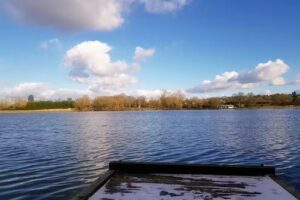
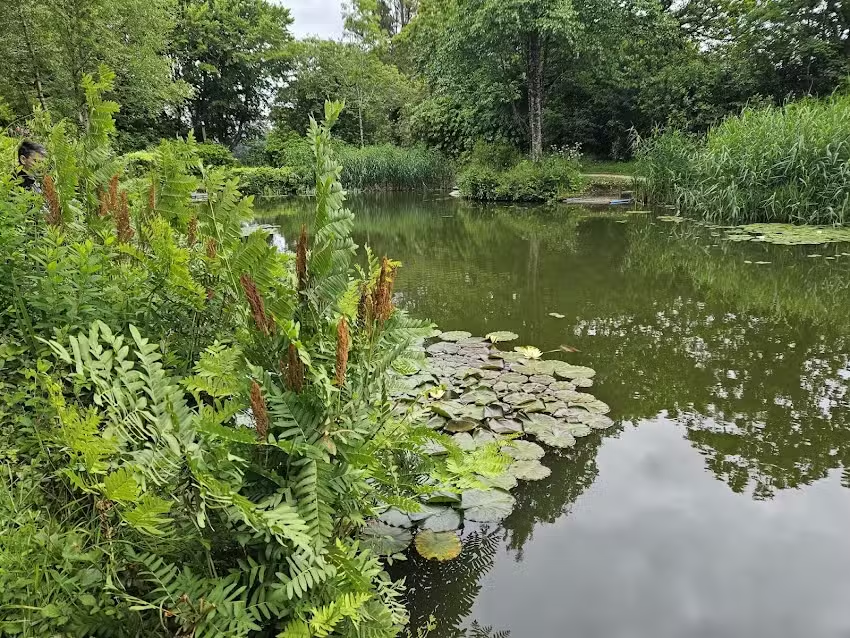
Back(pplx://action/navigate/9f2bc2bb49271cb2) is a small, member-focused coarse fishery centred on two intimate pools that appeal to anglers who value calm surroundings and steady, enjoyable sport rather than high-pressure commercial competition. The setting is often described as peaceful and well cared for, which makes it attractive to anyone looking for relaxed sessions with family or friends as well as more focused solo angling.
Fish stocks and fishing experience
The water is stocked with a broad mix of coarse species, including Bream, Chub, Gudgeon, Perch, Roach, Rudd and Tench, alongside various strains of Carp, giving plenty of variety across short and longer sessions. For many visitors this balance of species helps the venue stand out from heavily stocked commercial pools that focus almost entirely on Carp, as here the float can go under at any time with different fish, keeping interest high for novices and experienced anglers alike.
The club distinguishes clearly between its Match Pool and General Pool, which allows anglers to tailor their day to the style of fishing they prefer. On the Match Pool there is a strong head of smaller fish of many species, from fingerlings to mid-sized Chub around 6 lb, which suits those who want regular bites and busy sessions using traditional float or pole tactics. The General Pool holds larger Carp, including Common, Crucian, Ghost, Leather, Mirror and F1 fish reported up to around 20 lb, mixed with smaller coarse species so that a quiet day can still produce multiple runs and a real bend in the rod.
Anglers who have fished the venue repeatedly comment that there is usually good sport to be had, with multiple catches on most trips rather than the odd lucky fish. One regular visitor notes that the lower lake tends to hold Carp around the mid-single-figure range, with reports of fish to around 10 lb and plenty of Rudd showing, which suits pleasure anglers who want a realistic chance of several decent Carp without needing heavy-duty specialist tactics.
Facilities, comfort and accessibility
The pools benefit from ongoing maintenance by club volunteers, who have developed the site over decades and continue to keep paths, banks and swims in good condition. Visitors frequently remark that the surroundings are tidy, litter-free and visually appealing, which is a strong point for families or those who see a fishing trip as a chance to relax in pleasant surroundings as much as to catch fish.
Toilet facilities are provided on site, which is a genuine practical advantage compared with some small club waters that have no amenities beyond parking. The club has also set out specific disabled-access swims on both pools, supported by a generally level layout, making it a realistic option for anglers with limited mobility or those taking older relatives who need more secure, comfortable pegs.
Feedback from visitors consistently mentions a calm and happy atmosphere, which contributes to the impression that this is a venue where anglers can unwind without feeling rushed or crowded. Other club members are often described as friendly and willing to offer advice, so newcomers to coarse fishing, or those returning after a break, are likely to find guidance on rigs, baits and swims if they want to learn more.
Club culture and membership
The club has long roots, having been established in the early 1980s by a small group of keen local anglers who secured the land and gradually developed it into the two-pool fishery in use today. Over time membership has grown to around a hundred regular users, which is enough to support ongoing improvements without creating an overcrowded feel on the banks.
Membership options cover adults, families, juniors, older anglers and those with disabilities, with pricing for season tickets positioned for regular local use rather than occasional visitors. In addition, bank-side day tickets are usually available, which gives potential members and holidaymakers an accessible way to try the water before deciding whether to commit to a full membership.
The club also organises matches and occasional events, using the Match Pool for structured competitions while still balancing the needs of pleasure anglers. This organised side of the club, backed by clear rules and bailiff presence, helps maintain stock quality and behaviour on the bank, though for some casual visitors the formality of rules and checks may feel stricter than at completely unmanaged waters.
Rules, fish welfare and environment
The rules are detailed and strongly focused on fish welfare, which is a significant positive for anglers who care about the long-term health of the stocks. Requirements such as barbless hooks, appropriate landing nets, unhooking mats and careful weighing and returning of Carp are clearly laid out, reflecting a modern approach in line with wider coarse fishing best practice.
The venue restricts methods to rod and line, pole or whip, sets limits on the number of rods and bans live baiting and lure fishing, which keeps the emphasis on traditional coarse tactics. For some anglers, particularly those who enjoy spinning for predators, these restrictions will be a drawback, but they do support a consistent style of fishing that suits the majority of visitors targeting mixed coarse species.
Bait and tackle rules limit hook size, line strength, lead weight and certain baits, as well as restricting floating offerings to the General Pool and capping the amount of groundbait that can be introduced. These measures help prevent over-baiting, litter from unused bait and excessive pressure on the fish, but they do mean that anglers who like to use larger hooks, heavier line or big bait beds need to adapt their approach to fit the venue’s expectations.
All Carp in the pools are reportedly microchipped and registered, which underlines the effort that has gone into managing and monitoring the stock. For many anglers this level of care inspires confidence that the fish are valued and protected, although it inevitably goes hand in hand with more active rule enforcement and a requirement to produce tickets or membership details when asked by officials.
Access, comfort and potential drawbacks
Access to the fishery is one area where feedback is more mixed, with some visitors noting that the lane leading down to the pools can be heavily potholed and uncomfortable to drive, particularly for lower vehicles. For regular members this may become a familiar inconvenience, but occasional visitors might need to allow a little extra time and care on the approach, especially in poor weather.
The site itself is generally regarded as clean and well laid out once anglers arrive, with maintained paths and clearly defined swims on both lakes. The quiet setting, while a strong advantage for those seeking a peaceful session, can also mean that facilities beyond toilets are limited, so visitors may wish to bring their own refreshments and shelter for longer stays.
Another factor to bear in mind is that this remains a club water rather than a commercial complex with on-site tackle shop or café, so there is an expectation that anglers arrive self-sufficient and familiar with basic coarse techniques. Beginners are still likely to find help from friendly regulars, but there is less of the retail support and formal coaching that some large commercial fisheries offer as part of their package.
Suitability for different anglers
For pleasure anglers aiming for consistent action from mixed coarse species, the Match Pool offers regular bites and a broad range of fish sizes, making it a solid choice for building confidence and keeping younger anglers engaged. Those looking for larger Carp, including different strains up to double figures and beyond, are better served on the General Pool, where a more patient approach with Carp-focused rigs can be rewarded with stronger runs and more powerful fights.
Families and casual visitors benefit from the friendly atmosphere, accessible pegs and manageable fish sizes that reduce the risk of tackle failures or unsafe situations for children. More experienced coarse anglers who enjoy refining rigs and feeding strategies will appreciate the balance of numbers and size, as the water offers enough challenge to stay interesting without being so difficult that blanks become the norm.
Night fishing is possible but tightly controlled, limited to fully paid-up members over a certain age who book in advance, which aligns with the club’s focus on security and fish welfare. This arrangement will suit dedicated members who enjoy overnight Carp sessions and value a quieter venue with only a small number of anglers on the bank, but it does restrict opportunities for occasional visitors who might prefer spontaneous overnight trips.
Strengths and weaknesses in context
Overall, the fishery’s strongest points lie in its well-kept environment, varied coarse fish stocks and warm, community-based feel supported by long-standing members and volunteers. The combination of accessible day tickets and structured membership options gives potential customers different ways to enjoy the pools, from one-off visits during holidays to regular year-round fishing.
On the less favourable side, access via a rough lane, limited on-site facilities beyond essentials and a relatively strict rule set can be seen as disadvantages by some anglers. Those who value complete flexibility in methods, bait choice or overnight fishing may find the structure of the club restrictive compared with more relaxed venues.
For many coarse anglers, however, these controls and the club-focused approach are part of the appeal, as they underpin good fish welfare, a tidy environment and a respectful atmosphere on the bank. Prospective visitors weighing up where to spend their next session will recognise (pplx://action/navigate/9f2bc2bb49271cb2) as a carefully managed, traditional coarse fishery that offers reliable sport and a calm setting, provided they are comfortable with the club’s expectations and access conditions.