Timsbury Fishing
BackTimsbury Fishing is a well-known private fishery offering access to a classic stretch of the River Test for anglers who value quality, tranquillity and varied sport throughout the year.
Anglers looking for premium chalkstream fly fishing will find that Timsbury Fishing centres its experience around brown trout on carefully managed beats of the River Test and its carrier streams. The water is stocked with both rainbow and brown trout, with rainbow fish typically around three pounds and larger specimens recorded in the low double figures, which appeals to those seeking quality fish rather than heavily pressured, overstocked waters. Visitors frequently mention catching strong, well-finned trout and describe sessions where both rainbow and brown trout are brought to the net, reinforcing the fishery’s reputation for consistent sport.
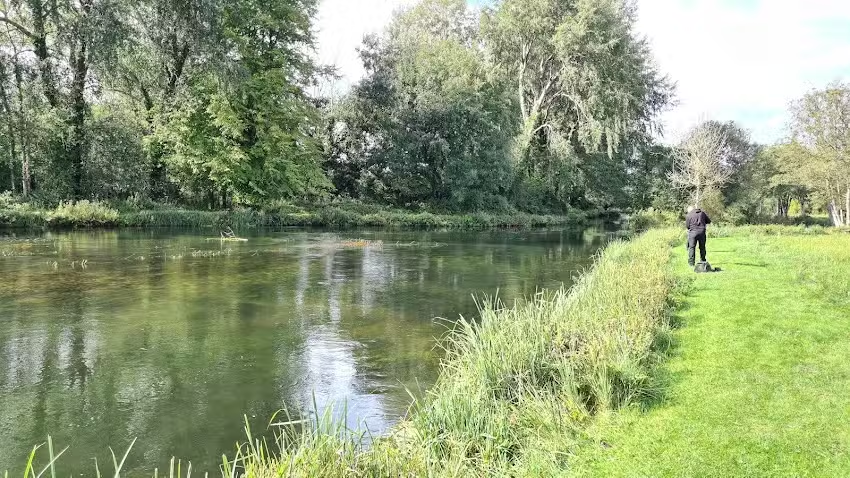
The layout of the fishery is a key part of its appeal. Timsbury comprises four private beats, each generally limited to two rods, covering over three miles of main river and carrier streams, which helps protect the sense of space and seclusion that many anglers now look for when choosing a venue. Rotating access over these beats allows regular visitors and syndicate members to experience different types of water, from glides ideal for dry-fly presentation to deeper pools that suit nymphing or targeting larger predatory species. This structure also means that, unlike a crowded day-ticket stillwater, the river rarely feels busy, something echoed in comments from returning visitors who value peaceful days with little disturbance.
For those interested in traditional chalkstream tactics, Timsbury Fishing encourages classic upstream dry fly and nymph approaches, which makes it attractive to anglers who enjoy a technical challenge as well as a scenic setting. The clear water of the River Test gives opportunities for sight-fishing to individual trout and grayling, allowing anglers to watch how fish respond to different flies and presentations, a style of fishing that demands care and accuracy but is especially rewarding when it comes together. This approach positions Timsbury as a venue suited to anglers who want more than simply numbers of fish, favouring thoughtful, visual fishing where presentation and watercraft are as important as tackle choice.
Beyond trout, the fishery is also known for its coarse and predator potential, which broadens its appeal to those who like a mix of game and coarse species over the season. In addition to grayling, anglers can encounter pike, perch, chub, tench, roach and dace, with some notable catches including large pike taken during organised matches and specimen roach sessions that, even when the roach do not show, still produce quality grayling and trout. This variety allows the venue to offer something different outside the prime trout period, making it attractive to anglers who want a fishery that remains interesting throughout much of the year.
Facilities on site are designed to complement the fishing rather than overshadow it, but they are more comprehensive than many small river beats. The main fishing lodge, built in recent years, offers mains power, Wi‑Fi, a fitted kitchen, indoor and outdoor seating, and a rod room for secure storage, giving visiting anglers a comfortable base for a full day on the bank or a break between sessions. Additional huts and picnic areas are positioned around the fishery, providing sheltered spots to rest, prepare tackle or share lunch with a friend without having to leave the river for long. For many, this balance of well-kept facilities and natural surroundings is a highlight, making long days on the water more relaxing and sociable.
The setting itself is often singled out by visitors. The beats wind through classic chalkstream meadows, with clear flows, weedbeds and abundant wildlife, and several reviews mention how enjoyable it is simply to walk the banks and take in the atmosphere even when the fishing requires patience. Birdlife, clean gravels and lush bankside vegetation create the sort of backdrop that many anglers hope for when they look for an authentic river venue rather than a heavily engineered lake. Some guests emphasise that this is somewhere they would happily visit again just for the peaceful surroundings and the chance to watch the river, even on days when fish are more reluctant to cooperate.
From an angling performance perspective, the fishery’s long-term records show that rods generally average around three trout per visit, a figure that suggests realistic but rewarding prospects. The management keeps detailed stocking and catch data over decades, which indicates a structured approach to sustaining fish numbers and quality rather than relying on short-term heavy stocking. For anglers, this translates into reasonable expectations: there is a genuine chance of several good fish in a day, but the venue is not marketed as an easy “bag‑up” water, and success still depends on conditions, technique and timing.
The way access is organised has advantages and drawbacks depending on what potential clients are looking for. Much of the regular fishing operates on a share‑based or syndicate model, where holders of shares are entitled to fish on a specific day every other week, moving through the four beats in rotation. This structure appeals to committed anglers who want reliable, semi‑exclusive access and are comfortable with a regular financial commitment, but it can feel less flexible for those who only fish occasionally or prefer casual, short‑notice bookings. Day access is available through certain channels, yet the overall model still leans more towards planned visits than spontaneous afternoons, which is something to bear in mind when comparing Timsbury Fishing to open-access day-ticket waters.
The rules and expectations on site are relatively clear and typical of a high‑quality chalkstream, covering matters such as permitted methods, fish care, and behaviour around the river. Limits on harvest during key times, especially around the Mayfly period, indicate an effort to balance angler enjoyment with the long‑term health of the stock, which is likely to appeal to conservation‑minded visitors. At the same time, some anglers have expressed frustration when they feel that house rules are not applied consistently, particularly regarding dogs or non‑fishing guests, and this inconsistency in practice has been enough for at least one visitor to decide not to return.
Visitor feedback overall is largely positive, with many anglers describing their days on the beats as memorable and praising both the fishing and the setting, though there are recurring themes in more critical comments that new visitors may wish to consider. Several reports highlight how well stocked and well maintained the river appears, with easy access along the banks and clear paths, but there are also comments about areas such as the car park becoming muddy in poor weather and suggestions that surfaces and access tracks could be improved given the premium nature of the venue. Others remark that while the main river and banks are carefully looked after, certain practical amenities like parking do not always match the high standard of the water itself, which can slightly dilute the overall impression.
The atmosphere on site can also vary depending on what is happening on a given day. Many guests comment on friendly interactions and good service from the people managing the fishery, appreciating advice and the welcoming feel at the lodge and along the beats. However, there are occasional reports from anglers who felt that gatherings of non‑fishing guests near huts or the lodge disturbed the quiet they had expected, particularly when combined with dogs that made them uncomfortable. While these seem to be exceptions rather than the rule, they suggest that the experience at Timsbury Fishing can be shaped not only by the river and the fish but also by how busy the shared areas are on a particular day.
In terms of value, Timsbury Fishing positions itself clearly at the higher end of the market when compared with many day‑ticket stillwaters or smaller rivers, reflecting both its River Test location and the level of maintenance and infrastructure on offer. Some anglers feel that the cost is justified by access to classic chalkstream water, good facilities and a realistic chance of quality trout and grayling, while others feel that the price demands consistently excellent upkeep in all aspects, including car parking and access. For potential clients, it is helpful to view Timsbury as an investment in a full‑day experience on a famous river, with comfortable surroundings and varied fishing, rather than a budget venue focused purely on numbers of fish.
Where Timsbury Fishing stands out positively is in the combination of challenging and rewarding trout fishing, multi‑species potential, and infrastructure that makes long days on the bank more comfortable, all set on a celebrated chalkstream. The beats feel individual and characterful, ranging from clear runs where sight‑fishing is possible to deeper sections that hold larger trout and predators, giving anglers room to adapt tactics and target different species throughout the season. For those who prioritise traditional river craft, dry‑fly and nymph work, and the chance of memorable fish in attractive surroundings, the strengths of the fishery are clear.
On the other hand, anyone choosing Timsbury Fishing should be aware that this is not a low‑cost, casual venue and that expectations around peace, rules and maintenance can sometimes be at odds with individual experiences. Occasional concerns about car park conditions, perceived inconsistencies in applying rules on dogs or non‑fishing guests, and the premium level of pricing compared with some other fisheries are genuine points raised by visitors and should be weighed alongside the many positive accounts. For committed anglers seeking high‑quality fishing lakes and river beats on the Test with a combination of trout, grayling and coarse species, Timsbury Fishing offers a strong overall package, provided that they are comfortable with the structured access model and the associated costs.