Tonford Lake
BackTonford Lake in Canterbury operates as a dedicated specimen venue rather than a casual public water, and this shapes almost every aspect of the experience for visiting anglers. Set within the Milton Lakes complex and run by Mid Kent Fisheries as a syndicate water, it aims to provide serious carp fishing in a controlled environment with carefully managed stocks and rules that focus strongly on fish welfare and long-term quality of the venue.
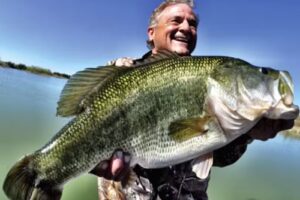
The core attraction of Tonford Lake is the calibre of its fish. It is a relatively modest four-acre water, but it carries a reputation for being one of the most prolific venues in the country for big carp, with fish over forty pounds reported and a number of thirties present. This density of larger fish makes it particularly appealing to specimen hunters who want a realistic chance of landing a personal best rather than simply adding numbers to their catch. Alongside the carp, the lake also holds notable tench and bream, with reported weights into double figures, plus roach, rudd and perch that can reach respectable sizes, giving coarse anglers more than one target if they choose to diversify.
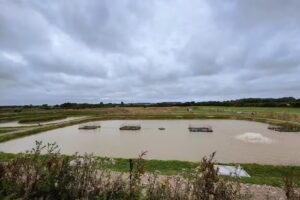
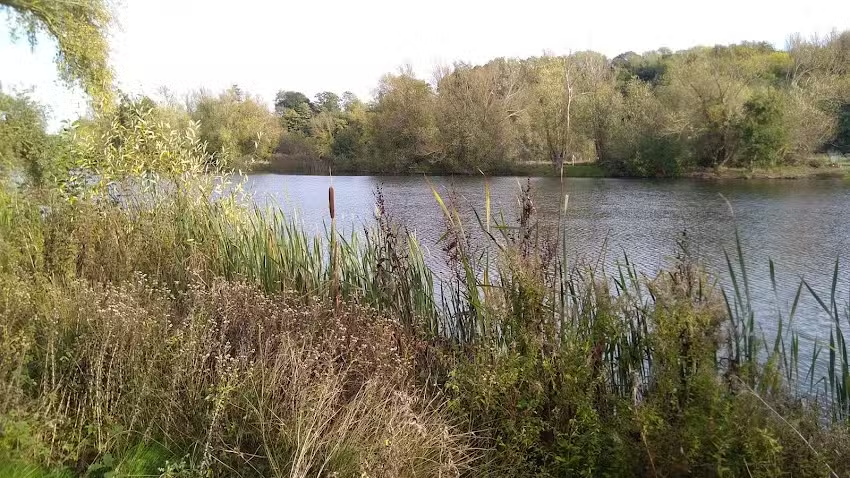
Structurally, Tonford is a long, narrow lake with no islands, and much of the bank is edged with trees and overhanging cover. For experienced anglers, this layout offers plenty of spots to target patrolling fish and margins where carp are happy to feed, but it can also make accurate casting and line control more demanding, especially in breezy conditions or at night. The absence of islands reduces obvious feature fishing, so success often comes down to careful plumbing, bait placement and an understanding of fish movement rather than simply dropping a rig against a clearly defined marker.
Because Tonford Lake is a syndicate venue, access is restricted and controlled. Places are limited and there is a waiting list for membership, reflecting the demand for high-quality carp angling on this water. This restriction has advantages and disadvantages. On the positive side, anglers generally benefit from less crowding, a quieter atmosphere and a stock of fish that is not constantly pressured by high levels of day-ticket traffic. On the other hand, potential visitors who prefer flexible, pay-as-you-go arrangements or who are new to the area may find the cost of membership and the need to secure a place a significant barrier, particularly when compared with more affordable day-ticket waters.
The membership cost is set at a level that clearly positions Tonford as a premium specimen carp venue rather than an entry-level water. For some, the price is justified by the stamp of fish, the number of big carp present and the chance to fish a water that has built up a strong reputation over the years. For others, especially anglers who fish infrequently or who simply want relaxed leisure fishing without chasing records, this level of investment may feel out of reach. It is therefore a water best suited to anglers who plan to use it regularly and who have specific goals around big-fish carp angling.
The fishery operates with a set of rules that many experienced anglers will recognise from other serious carp fisheries, but which may feel strict to those used to more casual venues. Rod limits vary by time of year, with more rods permitted in the colder months and fewer during the busier or more delicate periods. There are clear expectations around the use of suitable line strengths, the type of hooks allowed and the requirement for proper fish care equipment. These measures are designed to protect large, valuable fish and to reduce the risk of damage during playing, landing and photographing, and they underline that this is a venue where standards of angling practice are taken seriously.
In practical terms, anglers are expected to arrive with appropriate gear for big-fish waters: strong mainline, suitable rigs that release leads safely in the event of a crack-off, large landing nets and decent unhooking solutions. For some, especially those already used to targeting heavily stocked big carp lakes, these expectations are entirely normal and reassuring. For anglers coming from smaller club ponds or casual mixed fisheries, there may be an adjustment period as they become familiar with more stringent welfare-focused rules and the scrutiny that comes with fishing a controlled syndicate venue.
Another key aspect of Tonford Lake is that it is part of a privately run complex with controlled gate access. The fishery emphasises that the site is private property and not open to the general public, with gates to be kept locked and any suspicious activity to be reported to staff or bailiffs. For regular members, this brings a sense of security and a feeling that the venue is cared for and monitored, reducing problems such as littering or unauthorised fishing. At the same time, this controlled access reinforces that Tonford is not a casual drop-in water; it is a committed environment geared towards anglers who value structured, well-managed coarse fishing over spontaneous trips.
On the bank, practical facilities are relatively modest but functional for the style of venue. There is a toilet provided near the main car park, which is an important consideration for anyone planning longer sessions or overnight stays. The lake permits night fishing under syndicate conditions, allowing anglers to make full use of feeding spells that often occur after dark on pressured waters. However, because the venue operates with session length limits and enforced breaks, anglers cannot simply settle into very long stays without prior arrangement. This can be seen as either a positive, ensuring fair access for more members, or a limitation for those who like to base their approach on extended campaigns of multiple consecutive nights.
Feedback from anglers and visitors tends to highlight the natural beauty and peaceful setting around Tonford Lake. General comments describe it as a beautiful place outside the main busy areas of Canterbury, with attractive surroundings and water that looks appealing to fish as well as to visitors. For many, this adds an important dimension to the experience: time spent on the bank here feels like time away from urban noise, with wildlife and scenery contributing to the appeal of the sessions. These aesthetic qualities matter, particularly to anglers who are on the bank for long hours or overnight and value a calm, scenic environment as much as the potential for a big fish.
However, not all feedback is unreservedly positive. Some comments imply that while the lake is certainly attractive and the fishing can be productive, it is not always easy. As with most busy carp waters, catches can be patchy, and fish that have seen many rigs over the years can become wary and difficult to tempt, especially during high-pressure conditions or when the water is heavily fished. Anglers used to highly stocked commercial day ticket lakes where regular bites are almost guaranteed may find Tonford more challenging, with longer waiting times between runs and a greater emphasis on watercraft, baiting strategy and timing.
The presence of big tench, bream and quality silvers also has two sides. Coarse anglers who enjoy variety and the chance of a large bream or a brace of tench will appreciate having multiple target species in the same water. Yet carp specialists who are focused solely on large fish may sometimes find that bream or other species work their way through baited areas, especially in warmer months, potentially making it harder to single out the biggest carp. This is a common trade-off in mixed-species coarse lakes and something to be aware of when planning rigs, hookbaits and feeding approaches.
The waiting list for spaces on the syndicate highlights the demand for high-quality carp fishing lakes in this region. For anglers who prefer straightforward, publicly accessible waters, this process can be frustrating, particularly when combined with the financial commitment required to secure a place. There may also be occasional temporary closures or swim restrictions when fish are spawning or when maintenance is required. While such measures are in place to protect stocks and maintain long-term quality, they can disrupt planned trips if anglers are not in regular contact with the fishery for updates before travelling.
From a value perspective, Tonford Lake sits firmly in the bracket of a serious, big-fish venue. Anglers who thrive on the challenge of targeting large, well-conditioned carp in a controlled environment are likely to see the combination of stock, setting and management as a strong package. Those who are uncertain about committing to a syndicate, or who prefer spontaneous short sessions on cheaper waters, may find that other local fishing lakes or club-controlled venues suit their style and budget better. It is therefore important for potential members to think carefully about how often they intend to fish, what kind of angling they enjoy and whether their expectations align with a premium carp syndicate.
Overall, Tonford Lake offers a focused proposition: a four-acre syndicate water managed with clear rules, substantial investment in fish stocks and a strong emphasis on fish welfare and security. The main strengths lie in the size and quality of the carp, the presence of other specimen coarse fish, the attractive surroundings and the sense of exclusivity that membership provides. The limitations are inherent to that same model: restricted access, notable cost, rules that demand a certain level of equipment and practice, and a level of angling difficulty that may not suit everyone.
For potential visitors weighing up their options, Tonford is likely to appeal most to dedicated specimen anglers looking for a structured environment and a credible chance at large carp, tench or bream, rather than to casual or family anglers seeking easy bites and informal bank time. Approached with realistic expectations, appropriate tackle and a willingness to work for results, it can provide rewarding sessions and the possibility of genuinely impressive fish, but it is not a shortcut to instant success and it does not pretend to be a simple, low-commitment fishing lake.