Traws Lake
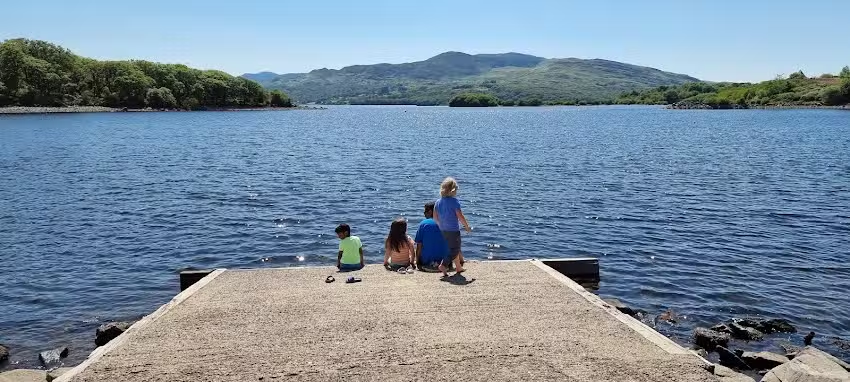
BackTraws Lake is a small, specialist fishery-focused business set beside a large reservoir, attracting anglers who value stocked waters, simple facilities and a relaxed atmosphere. It is not a general outdoor shop; everything about it revolves around time on the bank, casting for trout and enjoying the surrounding hills. For someone searching for a dedicated spot rather than a high‑street tackle retailer, it offers a focused experience built around stillwater trout fishing and long lakeside walks.
The core draw for many visitors is the quality of the trout fishing. Anglers consistently describe good numbers of fit rainbow trout, with enough fish in the water to keep sessions interesting and bites coming at a reasonable pace. Although every day on the bank is different, the lake has a reputation as a place where a well‑presented fly or bait stands a realistic chance of producing a strong, hard‑fighting fish. For anyone looking for a venue to test new setups or regain confidence after a quiet run elsewhere, having that level of stocking is a clear advantage.
Because the lake is geared to trout, it particularly appeals to those building or upgrading a dedicated trout setup rather than a general coarse outfit. Visitors commonly arrive with medium to fast‑action fly rods or light spinning gear, paired with reliable reels and floating or intermediate lines to match the depth and wind conditions. The bank access and open water encourage longer casts, so anglers who invest in balanced fishing rods and well‑maintained fishing reels tend to get the most out of the venue. Traws Lake therefore works well as a proving ground for modern trout equipment, from fine tippets through to specialist nets and bank accessories.
One of the strengths of the business is that it sits at the point where stocked fishery and destination venue meet. The walk around the lake is often mentioned as a highlight in itself, with some visitors only realising afterwards that the loop can stretch to eight to ten miles. For anglers, this means there is space to spread out, find quieter swims and work different sections of shoreline through the day. For groups with mixed interests, some can focus on the water while others enjoy the path, which adds flexibility that many smaller commercial fisheries cannot offer.
Scenery is a recurring theme in feedback about Traws Lake. High banks, open water and distant hills create a setting that feels far removed from urban day‑ticket waters. Anglers often mention that even slow sessions feel worthwhile because of the views and sense of calm. This matters to many modern customers who see a day’s sport as a chance to decompress, not just to fill a bag. When combined with the presence of a café nearby, it allows visitors to build an entire day around the fishery, with breaks for food and a chance to warm up between sessions.
From the perspective of a potential customer, one of the most important practical considerations is the operational pattern of the fishery. Traws Lake runs on fixed daytime opening, and the booking office operates only during specific windows. This has advantages and disadvantages. On the positive side, defined hours make it easier for management to maintain the site, monitor catches and keep an eye on bank safety. It also means sessions tend to be compact, pushing anglers to make the most of the time they have and helping staff keep track of who is on the water.
The drawback is that spontaneous visits or late arrivals can lead to disappointment if anglers expect flexible access. Several experienced visitors recommend making contact in advance to clarify whether permits are available and to confirm any seasonal adjustments. For travelling anglers or those planning a one‑off trip, this extra step is sensible rather than optional. Customers who turn up assuming that a rural fishery will always be open risk losing a day, especially outside peak periods or when weather or maintenance forces changes at short notice.
In terms of the wider angling offer, Traws Lake is firmly focused on trout rather than a mixed coarse and predator portfolio. Anglers who prioritise carp or pike, or who are looking for a venue with extensive carp fishing swims, bivvy facilities and long‑stay culture, may find this water more limited than purpose‑built carp complexes. That said, trout anglers can still apply many of the same principles they use elsewhere: experimenting with fluorocarbon leaders, trying different colours of lures, and working through the water column to locate feeding fish. For spinning enthusiasts, slim spoons and small soft baits on light jig heads are common choices, while fly anglers typically reach for intermediate lines and mid‑sized lures when the fish sit deeper.
The business benefits from being part of a wider angling ecosystem where anglers often source tackle online and then bring it to local waters. Many customers now research and purchase fishing tackle such as fishing lures, fishing line, terminal gear and clothing from large online suppliers, then put that kit through its paces on venues like Traws Lake. This pattern means the fishery effectively functions as the real‑world testing ground for gear that has been carefully chosen on the internet. For the fishery, the key is not to compete with large online retailers, but to provide the quality of water, fish and access that makes that equipment feel worthwhile.
Because of this, many anglers visiting Traws Lake arrive well‑equipped with modern brands and techniques drawn from online content and specialist retailers. It is common to see fly anglers carrying compact sling packs filled with selections of flies, spools of tippet material and small tools, mirroring the way serious predator and carp anglers now organise their gear. Others bring spinning outfits combined with braided mainline and fluorocarbon leaders, reflecting trends promoted by major fishing shop chains and digital tackle outlets. Traws Lake’s role is to offer a venue where these methods can be used safely and effectively, with enough bank space for casting and room to move between spots.
One of the consistently positive aspects mentioned by visitors is the atmosphere around the lake. Anglers frequently describe friendly interactions, a calm pace and a sense that the water is treated with respect rather than as a production line for quick catches. That does not mean the fishery is perfect. On busy days, limited bank space in prime areas can still lead to crowding, especially when the weather is settled and word spreads about good sport. Those who like quieter sessions often benefit from planning mid‑week visits or arriving early to secure preferred areas.
The presence of a café within easy reach of the lake is a practical advantage for many customers. After several hours casting or walking, a hot drink and simple meal can make a real difference, especially for families or mixed‑ability groups. From a business perspective, this adds value without the fishery itself having to operate as a full hospitality venue. However, anglers should be aware that café opening times do not always match the exact hours they spend on the bank, and seasonal changes can affect availability. Bringing basic supplies remains the safest option, particularly in colder months or on very quiet days.
For new or less experienced anglers, Traws Lake offers both opportunity and challenge. The stocked nature of the water and the reputation for strong, fit rainbows mean that a carefully chosen setup stands a decent chance of success. At the same time, the size of the lake and changeable conditions in the surrounding hills demand a minimum level of preparation. Lightweight waterproofs, layered clothing, suitable footwear for uneven paths and a sturdy landing net all contribute to a more comfortable day. Those arriving with very basic gear or without thought for the weather may find the experience tougher than anticipated, regardless of fish numbers.
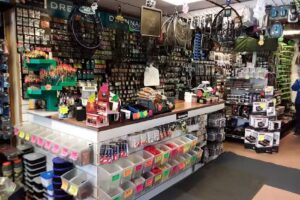
Because the fishery is a dedicated venue rather than a fully integrated retail outlet, on‑site tackle provision is limited. Anglers who prefer to pick up last‑minute items such as extra fishing hooks, fishing bait or spares for damaged leaders can sometimes feel restricted if they have not prepared in advance. In practice, most regular visitors build a checklist covering rods, reels, nets, bank sticks, bite indicators where relevant and a selection of lures or flies matched to the season. This approach reflects habits encouraged by modern tackle shop culture, where anglers are used to planning sessions with specific methods in mind.
Another point to consider is accessibility. While the immediate banks and car park areas are generally straightforward, the full loop around the lake is long enough to feel demanding, particularly for those unused to covering eight or more miles. For some anglers, this is a positive feature, adding a sense of achievement and variety as they move from one section of water to another. For others, especially those who prefer short walks between pegs or who have limited mobility, the scale of the venue may be a drawback. Prospective visitors who are unsure should plan shorter sessions close to the main access points and avoid committing to the full circuit without checking their own fitness.
From a value perspective, Traws Lake occupies a middle ground. It does not compete with heavily commercial coarse fisheries that offer multiple lakes, on‑site shops and extended hours aimed at carp anglers. Instead, it provides a focused experience for trout fishing enthusiasts who care about stock quality and surroundings more than about extensive facilities. Customers who understand this positioning tend to feel satisfied with what they receive: a day on a well‑stocked water, pleasant scenery and space to use their preferred methods. Those expecting a fully serviced complex with retail, hire gear and all‑weather infrastructure may come away with a more mixed impression.
Feedback over the years indicates that the fishery is generally well‑maintained, with paths, banks and access points kept in workable condition. As with any rural venue, heavy rain and winter weather can affect ground conditions, and visitors occasionally report muddy or uneven sections. This is normal for a large reservoir setting, but it does reinforce the importance of appropriate footwear and realistic expectations. The staff presence, centred around the booking arrangements, provides a point of contact for safety and fishery rules, though visitors arriving outside staffed periods need to be more self‑reliant.
For anglers assessing whether Traws Lake fits their needs, it helps to think of it as a dedicated trout venue for those who already have or plan to invest in modern angling kit. It rewards careful preparation, from selecting suitable fishing gear and clothing to checking session times ahead of arrival. The main advantages are the quality of the trout, the scale and setting of the water, and the relaxed atmosphere around the banks. The main limitations are the fixed nature of the opening arrangements, the focus on trout rather than a broader species mix, and the lack of a large on‑site retail operation.
Potential customers who approach Traws Lake with these points in mind tend to have positive experiences. Anglers who enjoy working stillwaters, experimenting with different presentations and spending unhurried time by the water are likely to find plenty to appreciate. Those seeking an all‑inclusive complex with extended hours, overnight facilities and a wide range of species may be better suited to alternative venues. As it stands, Traws Lake offers a clear, honest proposition: a focused trout fishery where good preparation, suitable equipment and realistic expectations combine to create rewarding days on the bank.