
Treeton Dyke Angling Club
BackTreeton Dyke Angling Club is a long‑established members’ fishery set around a substantial reservoir, offering a mix of coarse fishing and relaxed recreation in a relatively secluded setting. Anglers who join the club gain access to a sizeable water with a reputation for peaceful surroundings, easy bank access and safe parking close to many pegs, which appeals to those who value comfort and security as much as the fishing itself.
The club controls fishing across a defined stretch of the dyke, and access is restricted to members who hold a key, which helps to keep the banks quieter than many open day‑ticket waters. This approach particularly suits anglers who want to spend time on the bank without constant disturbance from heavy footfall or casual visitors. At the same time, the water is shared with a local boat and ski club, so membership effectively means buying into a multi‑use venue where angling must coexist with other recreational activities.
From a coarse angling perspective, Treeton Dyke offers an appealing proposition for those who enjoy traditional stillwater fishing with a community club atmosphere. The fishery is open all year, which allows members to target a variety of species and methods across the seasons rather than being limited to a short summer window. The membership fee has historically been positioned at a relatively low level, particularly when set against other Yorkshire stillwaters, meaning that keen anglers can access a large water for less than they might pay for multiple day tickets elsewhere.
Reports suggest a spread of typical stillwater coarse species, making the venue suitable for mixed‑bag sessions rather than being focused solely on specimen carp. While detailed stocking lists are not publicly promoted, anglers can expect a blend of general coarse species that respond to standard tactics. This makes the venue a suitable choice for pleasure anglers who like to vary their approach across coarse fishing, float fishing and light feeder tactics rather than concentrating on one specialist discipline.
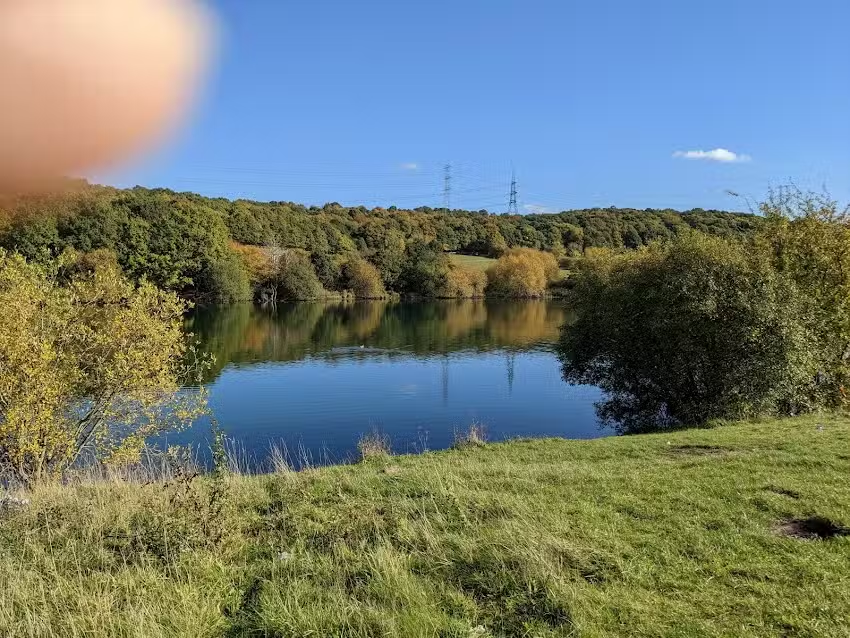
The setting of Treeton Dyke Angling Club is frequently mentioned as one of its strongest points. The reservoir sits away from main roads and housing, creating a notably calm backdrop for sessions on the bank. Members often comment that the area is also popular with walkers and dog owners who enjoy the variety of paths and terrain around the water, which confirms that the dyke functions as a broader outdoor space rather than a purely utilitarian fishery. This balance between a practical angling venue and a pleasant countryside environment can be a significant draw for those who enjoy combining pleasure angling with time outdoors.
However, this popularity with walkers and dog owners also has a practical side that potential members should bear in mind. Shared use of the paths and bank areas means that anglers are not entirely on their own, and there can be a steady trickle of people using the public rights of way at busy times of year. For most, this simply adds a social dimension and a feeling of safety, but those who prefer total privacy while on the bank may occasionally feel that the area is a little busier than a remote farm pond or small syndicate water.
The club’s rules are built around protecting the fish stocks and ensuring responsible behaviour on the banks, and they are detailed enough to give a clear picture of what is expected of members. An Environment Agency rod licence is mandatory and must be produced if a bailiff or committee member requests it. Obligations such as keeping gates locked, respecting other users and following environmental guidelines are emphasised, reflecting a committee that treats stewardship of the water seriously.
On the purely angling side, there are specific rules aimed at fish welfare. Hooks for coarse fishing are barbless and limited in size, live baiting is not permitted, and no fish may be removed from the dyke, reflecting a catch‑and‑release ethos in line with many modern club waters. Restrictions on keepnets around the traditional close season period, plus strict rules on removing litter and discarded line, are designed to keep the venue safe for wildlife as well as maintaining standards for fellow anglers. These measures will appeal to anglers who prioritise ethical specimen fishing and good fish care.
Access arrangements are another key feature of Treeton Dyke Angling Club. Entry is via locked gates, with keys issued to members and explicitly prohibited from being duplicated or loaned, so anglers know that only authorised people should be on the banks. Once inside, there are multiple parking spots within sight of many pegs, which is a practical advantage for those carrying a lot of gear or with limited mobility. For some, these arrangements help to justify the commitment of joining a club instead of relying solely on day ticket fishing venues.
The rules also outline the working relationship with the adjacent boat and ski club, acknowledging that the water is used for more than just angling. Members are expected not to get into disputes directly and to report any issues through the committee, which indicates that occasional friction between activities has been anticipated. For anglers, this dual use can be a mixed blessing: the presence of boats brings noise and water disturbance at times, which may not suit those who prefer very quiet waters, but it also reflects a managed environment where activities are overseen rather than left to chance.
In terms of fishing quality, feedback over the years has been mixed, which is not unusual for a large, natural‑style venue that is influenced by weather, water levels and weed growth. Some comments highlight years when the fishing has been particularly productive, suggesting good sport and regular bites across the pegs. Other remarks note later periods where the fishing has felt noticeably slower, particularly compared with previous seasons, which may reflect natural cycles, changes in stocking or the impact of weed and boat traffic. Anglers considering membership should therefore expect a water that can be rewarding but not necessarily easy.
Weed treatment on the dyke is another factor that has surfaced in local discussion. Permission has at times been granted for the boating side to treat weed, which can potentially improve navigation for boats but may also alter the character of the water for anglers if not managed carefully. Such interventions can affect underwater cover, natural food sources and fish behaviour, and while they may benefit casting and presentation in some swims, they can also reduce the wild feel that some carp fishing and pike fishing enthusiasts look for in a large water.
Socially, Treeton Dyke Angling Club maintains an online presence via its group page, which serves as a hub for anglers to share updates, photographs and occasional announcements about matches or rule reminders. This can be helpful for keeping in touch with conditions on the water, such as levels, weed growth or bank work, especially for members who cannot visit regularly. Anglers who value a sense of community and like to follow what others are catching may find this aspect a positive part of membership.
The 24‑hour listing on some directories reflects that the venue remains accessible around the clock in terms of the site itself, but the club applies restrictions on when fishing is actually allowed. Fishing on the ponds is limited to sunrise to sunset, with no overnight sessions permitted, which is a crucial point for anyone who primarily enjoys long night fishing campaigns. Those whose preferred style is short daytime trips, early mornings or evenings after work will find the hours manageable, but dedicated overnight carp anglers may feel that the venue does not align with their usual routine.
Another positive aspect is that the club appears to manage its membership numbers and renewals on an annual basis, reserving the right to accept new members and withdraw membership if rules are not followed. This structure encourages anglers to respect the venue and maintain high standards, as poor behaviour can affect access. For potential members, this can be reassuring, as it suggests a committee that is active rather than absentee, and a culture where fellow anglers are expected to look after the water and each other.
On the other hand, the membership‑only model and key system mean that casual visitors cannot simply turn up for a single day and try the fishing, which may be a drawback for those who prefer flexible day ticket carp lakes or rivers. Anglers who like to sample many different waters might find the commitment less appealing than a more open fishing lake with on‑site ticket sales. The need to apply, wait for acceptance and keep up with renewals adds a layer of administration that does not suit everyone, particularly those new to angling who are still deciding how often they will actually go fishing.
The wider environment around Treeton Dyke is recognised by wildlife groups as valuable habitat for birds and other species, which adds interest for anglers who enjoy nature watching between bites. Wildfowl and waders are commonly reported, and the adjoining river corridor holds species such as kingfisher and heron, highlighting how far local water quality has improved compared with its industrial past. For many anglers, this rich natural setting is a major reason to choose a club water like this instead of a heavily commercialised fishing complex dominated by platforms, fencing and artificial landscaping.
For dog owners, the dyke and its surrounding paths offer an additional benefit, with several reviewers praising the area as a “lovely place” for dog walking, especially in the warmer months. This dual use can make Treeton Dyke a practical choice for those who like to combine a few hours of pleasure fishing with exercising a pet or spending time with family members who may not fish themselves. At the same time, it means that anglers must be tolerant of occasional dogs passing close to pegs and be prepared to keep their tackle and bait organised to avoid unwanted attention.
Overall, Treeton Dyke Angling Club presents a realistic option for anglers seeking a reasonably priced membership on a large, natural‑feeling water with a community ethos and a clear rule structure. Strengths include the tranquil setting, secure access, focus on fish welfare and the chance to fish year‑round, as well as the additional interest created by abundant birdlife and surrounding walks. Potential downsides lie in the shared use with boats, the absence of night sessions, periodic variability in fishing form and the commitment required by a key‑holder membership scheme rather than simple day ticket lakes. Anglers weighing up whether to join should consider how these factors align with their preferred style of coarse and specimen fishing, their expectations about bank quietness and their willingness to engage with a club that takes rules and stewardship seriously.