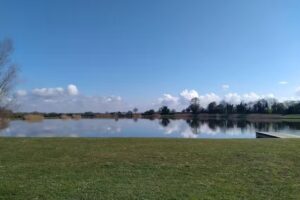
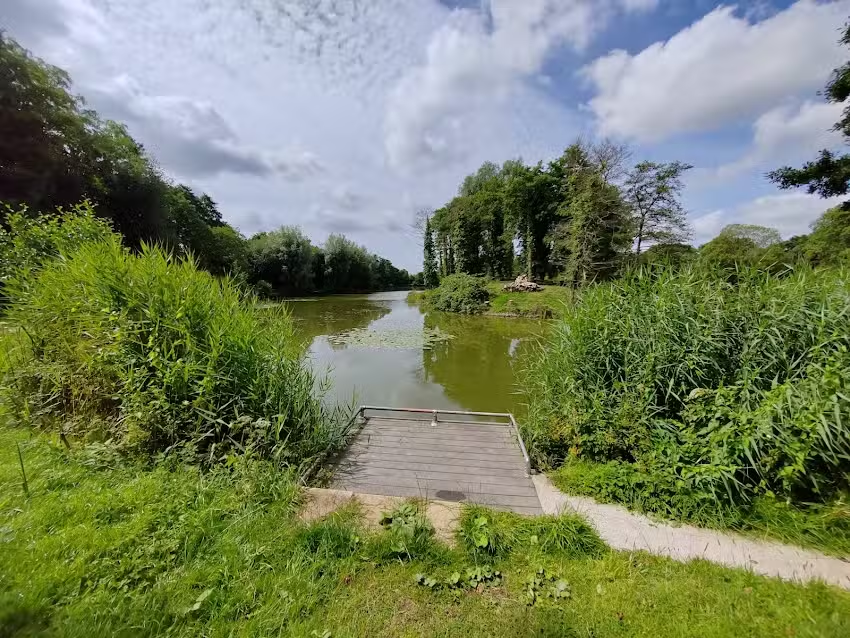
Treoes Lake
BackTreoes Lake is operated by Glamorgan Anglers Club as a member-only coarse fishery, providing a focused environment for anglers who value well-managed waters and a clear set of rules over casual day-ticket access. The water is regarded as one of the club’s flagship venues, attracting regulars who appreciate both the quality of the fishing and the sense of community that has built up around it through events and club activities. For potential visitors considering joining the club, this lake offers an insight into how a dedicated angling organisation can develop a private venue with a strong reputation and consistent standards.
As a mixed coarse fishery, Treoes Lake holds a wide range of species, including carp, bream, roach, rudd, perch, tench and eels, giving anglers plenty of variety on each session. Many members are particularly attracted by the large head of carp, which makes the venue a recognised spot for carp fishing and longer bivvy sessions, especially among the club’s night group members. Alongside the carp, the presence of quality perch, silverfish and other coarse species makes the lake appealing to those who prefer traditional float or feeder tactics rather than focusing solely on specimen hunting.
Reviews from anglers consistently highlight Treoes Lake as a pleasant and well-kept place to fish, with comments describing it as a beautiful venue and praising the condition of both the water and the fish stock. Visitors who have attended organised days, such as charity events or Help for Heroes sessions, frequently mention that the fish are in excellent condition and that the venue is carefully maintained, which is important for anglers who care about fish welfare and long-term sport. This sense of care extends beyond the water itself, with regular maintenance and clear rules helping to keep the fishery orderly and productive.
One of the biggest strengths of Treoes Lake is the level of infrastructure on site, which exceeds what many anglers expect from a club water. The fishery includes several dedicated disabled platforms, a family platform and over thirty bivvy pegs, making it suitable for everything from quick pleasure sessions to extended specimen carp trips. The presence of an accessible toilet, kitchen facilities and a covered area for club events adds practical comfort, particularly for longer sessions and organised competitions. For anglers weighing up different venues, this level of provision can be a deciding factor when choosing where to spend time and money.
Accessibility is another positive aspect: the dedicated platforms for disabled anglers make Treoes Lake a genuine option for those who might otherwise struggle to fish safely and comfortably. Club events often make use of these facilities, and reviews show that disabled access is not just a token gesture but integrated into the daily use of the fishery. Families also benefit from a specific platform designed to allow adults to supervise children safely, an important consideration for those introducing younger anglers to coarse fishing for the first time.
The lake is known for its strong carp population, and many members join specifically for the chance to target these fish in a secure, members-only environment. Reports from competitions and club updates mention big carp weights and long sessions, underlining that this is not simply a small pleasure pond but a venue capable of producing serious catches for competent anglers. For those interested in carp angling, the combination of stock density, night-fishing opportunities and bivvy-friendly pegs makes Treoes Lake an attractive option compared with more basic club waters.
That said, Treoes Lake is far from one-dimensional, and many anglers come for the mixed fishing rather than exclusively for specimen carp. The presence of roach, rudd, tench, bream and perch allows for enjoyable sessions with float rods, feeders or light tackle, particularly for juniors or those who prefer a steady day of bites instead of waiting on a big-fish rig. Reports of notable perch and quality silverfish show that the lake can satisfy both match-style anglers and those seeking a more relaxed coarse fishing lake with varied sport.
Club-run events at Treoes Lake are a defining feature and give the venue a social element that some anglers value highly. Junior competitions, Christmas cups, charity matches and species-specific teach-ins (such as pike fishing sessions) help to build skills and confidence among members and encourage a sense of belonging. Reviews from participants in organised days often mention friendly volunteers and tutors, particularly for veterans’ sessions and junior events, which can be reassuring for parents or new members who want a supportive environment rather than a purely commercial operation.
Education and coaching are regularly integrated into activity at Treoes Lake, particularly in the form of structured sessions on predator fishing and general angling technique. Pike fishing teach-ins take place on specific dates, with the club providing equipment and bait where necessary, making it easier for members to learn aspects of predator fishing safely and responsibly. Juniors are actively encouraged to attend these events, and the availability of experienced club members as instructors helps newer anglers develop good habits from the outset.
The management approach at Treoes Lake is rule-based and conservation-minded, something that experienced anglers often see as a positive, even if it means certain methods are restricted. For example, there is a specific ban on lure techniques on Treoes Pond, reflecting the club’s emphasis on protecting fish stocks and avoiding unnecessary damage or stress. Wire trace requirements and other predator-fishing rules across the club’s waters show a wider commitment to fish welfare, which in practice should contribute to the good condition of the fish that visiting anglers notice.
However, these rules and the members-only nature of the venue also introduce some limitations that potential visitors should weigh up carefully. Treoes Lake is not open to casual day-ticket anglers; access is controlled through club membership or relevant permits, which may not suit those who want spontaneous one-off visits. The restrictions on methods, such as no lure fishing, may be frustrating for anglers who prefer mobile predator tactics or modern lure approaches and who might expect more flexibility from a fishing lake.
For some people, the need to join a club brings clear benefits, including a sense of community, better-managed facilities and increased security on site. For others, the extra step of membership and rule adherence could feel like a barrier, especially when compared with open-access commercial fisheries that allow almost anyone to turn up and fish without long-term commitment. Anglers who are used to experimenting with different techniques, including lures and fly methods for predators, may also find Treoes restrictive compared with multi-method venues.
Event scheduling is another factor worth noting, as parts of the lake can be reserved or fully closed to general members during major matches, charity events or teach-ins. Notices indicate that pegs and entire weekends may be set aside for specific activities, meaning that flexibility is reduced at those times and members must plan ahead if they wish to fish Treoes Lake. For anglers who have limited free time, arriving to find parts of the venue unavailable could be frustrating, even if they appreciate the value of these events for the wider club.
The atmosphere around the lake is frequently described as friendly and welcoming, particularly on organised days when volunteers and tutors are present to help juniors, veterans and less experienced anglers. Members often note the camaraderie and good-natured banter that develops on the bank, something that can be especially appealing for those who do not want an impersonal commercial environment. At the same time, being a private water means that behaviour is monitored more closely than at many open-access fishing venues, and some anglers might prefer a more relaxed, anonymous setting.
From a practical perspective, Treoes Lake is a stillwater fishery with platforms and pegs that are generally well maintained, which is important for safety and comfort. The presence of structured pegs also makes it easier to run matches and ensure fair spacing, which is a significant advantage for club competitions and organised events. Anglers who value neatly presented banks, defined swims and predictable infrastructure are likely to appreciate this, whereas those who prefer more natural, less structured bankside fishing may see it as slightly formal.
Local angling coverage and external reports often point out that Treoes Lake is widely recognised within the regional coarse fishing scene for its mixed stocks and steady performance in matches. The lake has produced notable catches across different species, which, combined with the club’s ongoing programme of events and coaching, strengthens its profile among both new and experienced anglers. For many, this makes Treoes a dependable choice for coarse angling sessions where they can reasonably expect both a comfortable setting and a good chance of catching fish.
Overall, Treoes Lake offers a club-managed, member-focused alternative to commercial fishing lakes, with strong facilities, varied species and an emphasis on rules and fish welfare. The main advantages are the quality of the infrastructure, the breadth of species, the well-maintained environment and the range of organised events and coaching opportunities for both juniors and adults. On the other hand, non-members cannot simply turn up and fish, some methods such as lure fishing are not allowed, and occasional closures for events mean that access is not as flexible as some anglers might like. For potential members who value structured coarse fishing lakes with a strong community focus, Treoes Lake stands out as a considered option, while those seeking casual, method-free angling may prefer a more open-access alternative.