
Tringford Trout Fishery
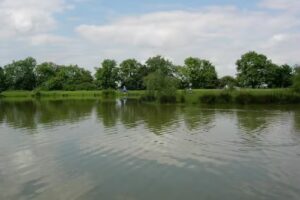
BackTringford Trout Fishery presents itself as a focused destination for dedicated fly anglers who value a well‑managed water, clear rules and hard‑fighting fish over commercial gloss. Nestled beside Tringford Reservoir, it operates as a specialist trout fishery offering day and season tickets for visitors who want consistent, structured access to stocked waters rather than a casual mixed‑species venue. The set‑up is deliberately straightforward: bank and boat fly fishing with clearly defined rules, attentive bailiffs and an emphasis on fish welfare, safety and responsible sport.
One of the strongest points in favour of Tringford Trout Fishery is the quality of its stock. Anglers repeatedly mention lively, hard‑fighting rainbow trout that punch well above their weight, which is exactly what fly anglers typically hope to find in a dedicated trout lake. Reports of brown trout around the 3lb mark suggest that the water can produce memorable fish without demanding trophy‑water prices, and this balance between sport and value is central to its appeal. Those who fish here regularly tend to describe a satisfying challenge: the trout are not effortless takes, but when they connect they fight aggressively and test both tackle and technique. For anglers who enjoy playing strong fish on lighter fly rods, this can be a significant draw.
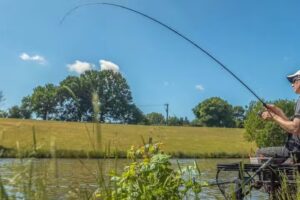
The fishery positions itself firmly as a fly fishing only venue, which is important to understand before visiting. This means that spinning, bait and coarse methods are excluded, and visiting anglers must be comfortable casting a fly line and working with imitative patterns, lures and nymphs. Hooks must be barbless, or barbs must be fully flattened before use, and this is not negotiable. That policy underlines a commitment to catch‑and‑release ethics and helps reduce damage to fish that are returned, particularly brown trout, which must always go back. For anglers used to mixed‑method waters, the emphasis on barbless hooks and proper handling may feel stricter, but for experienced fly fishers this will often be seen as a positive sign of a serious game angling operation.
Rules at Tringford Trout Fishery are detailed and actively enforced, which is both a strength and, for some, a potential frustration. The water runs a six‑fish catch limit, and anglers are allowed to retain only one rainbow trout, with brown trout all returned, reflecting a management strategy that tries to balance harvest with sustaining a quality stock profile. Knee‑deep wading is allowed only in designated areas, and there is no night fishing; hours are daytime only, which keeps activity manageable but restricts those who enjoy dawn or dusk sessions at the extremes of the day. Some will appreciate the structure and the feeling that everyone is fishing within the same clear boundaries, while others who prefer very relaxed venues might find the list of dos and don’ts longer than they are used to.
In terms of on‑site experience, feedback highlights a supportive and approachable team running the fishery. Anglers mention a helpful bailiff who offers advice on patterns and drifts, and there is a clear expectation that staff are present, visible and willing to help rather than simply taking ticket money and disappearing. For newcomers to stillwater fly fishing, having someone able to suggest flies, depths and areas can make the difference between a blank day and a personal‑best rainbow. Regulars often value the continuity of management; when bailiffs know the water intimately and keep a close eye on conditions, stocking and angler behaviour, it tends to translate into consistent sport across the season.
The provision of boats is another feature that sets Tringford Trout Fishery apart from many small commercial waters. Anglers can fish from the bank or hire a boat to reach areas that are difficult to cover from shore, which is especially useful when fish move to deeper or more central lies in warmer spells. Boats are typically kept under straightforward rules: anglers are expected to use provided safety equipment, to handle gear with care and to respect other users on the water by maintaining sensible distances. For those who enjoy loch‑style drifts, controlled drags and covering moving fish from a boat, this adds a valuable dimension beyond static bank casting to cruising pods close in.
From a practical standpoint, Tringford operates as a day ticket fishery where anglers need to arrive prepared with a valid rod licence and appropriate fly fishing tackle. The rules underline that all anglers over the age of twelve must hold an Environment Agency licence, and that anyone on site fishes entirely at their own risk, which is standard across quality trout fisheries in England. There is a strong emphasis on personal responsibility: anglers are asked to take all litter home, be careful when wading because of soft mud, and watch back casts along paths where walkers may be present. For family groups and more casual visitors, these expectations may feel formal, but for regular fly anglers, they are generally understood as part of using a shared, semi‑natural water safely.
The catch‑and‑release ethos is backed up by clear fish‑handling guidance. Tringford Trout Fishery requires the use of landing nets when removing fish from the water rather than beaching them on stones or grass. Anglers are asked to support fish in the water until they recover, avoiding rushed releases that might see fish roll over and perish after appearing to swim off. This focus on welfare will appeal strongly to many modern fly anglers who want to enjoy quality sport with rainbow and brown trout while minimising their impact on the stock and on the wider ecosystem. However, it does mean that those who prefer to take multiple fish for the table may feel constrained by the single‑rainbow retention rule and the expectation that much of the day will be catch‑and‑release sport only.
The online presence of Tringford Trout Fishery provides a basic overview rather than an elaborate marketing presentation. Information focuses on dates, season timing and the core message that this is the only dedicated trout water on the Tring Reservoirs complex – useful for anglers comparing options in the area. What you do not find is heavy promotion, extensive photo galleries of specimen fish or detailed catch reports updated daily. Some prospective visitors might appreciate more up‑to‑the‑minute reports and pattern suggestions online, whereas others will find that word of mouth and a conversation with the bailiff on arrival give them all they need.
For those comparing venues, it is worth recognising that Tringford sits in the category of small to medium‑sized managed fly fishing lake rather than a large reservoir or a heavily stocked beginners’ pond. That means conditions play a real role in how the water fishes: wind direction, light levels and recent angling pressure can all affect success on any given day, and even competent anglers may sometimes find the trout less cooperative. Anglers who prefer guaranteed fish on every visit might find this less satisfying than very intensively stocked commercial pools, while those who enjoy reading a water, adjusting tactics and working for their takes often regard that variability as part of the attraction. The presence of both rainbows and browns, combined with the boat option, helps keep the fishing varied across a season.
Accessibility and comfort on the banks are broadly in line with what experienced fly anglers expect from a dedicated trout fishery. Paths and banks give reasonable access to productive areas, though wading is restricted to specific zones to manage safety and bank integrity. This means that anglers reliant on deep wading to get a back cast might need to adjust, using roll casts, spey‑style deliveries or choosing boat fishing when bankside cover makes overhead casting awkward. There is no emphasis on non‑angling facilities such as cafés or playgrounds; the site is oriented towards people who are there to fish, not for a general leisure outing. For some visitors that purity of purpose is a positive; for mixed groups or non‑fishing family members, it can feel less accommodating.
In terms of atmosphere, the small number of reviews and the nature of the feedback suggest a friendly, low‑key culture where regulars and newcomers share the banks without excessive crowding. The bailiff presence and structured rules help to prevent conflicts over etiquette, such as casting over another angler’s drift or drifting a boat too close to someone fishing from the bank. For those used to more competitive, busy waters, this can feel refreshingly calm. On the other hand, anglers who enjoy a buzzing social scene, large clubhouses or big‑event days might perceive Tringford as understated and perhaps a little quiet.
Potential visitors should also weigh up the operating model against their own fishing preferences. Tringford Trout Fishery’s straightforward daytime schedule, fly‑only policy, barbless hook requirement and structured catch limits all point towards a venue trying to balance quality sport, conservation and fairness across its anglers. The trade‑off is less flexibility for those who want late‑night sessions, mixed methods or multiple fish for the table, and a need to arrive technically prepared with suitable fly lines, leaders and patterns. For committed fly anglers who value strong fish, clear rules and the option of boat or bank, it represents a serious, sport‑centred trout fishing destination. For more casual or mixed‑method anglers, it may feel specialised, but it remains a credible choice when the priority is focused, well‑regulated fly fishing rather than general recreation.
Key strengths for visiting anglers
- Dedicated fly fishing only set‑up with clear rules and expectations, appealing to anglers who want a focused game‑angling environment.
- Reputation for hard‑fighting rainbow and brown trout that offer strong sport on suitable tackle.
- Boat and bank options, allowing anglers to tailor their approach to conditions and personal preference.
- Emphasis on fish welfare through barbless hooks, mandatory landing nets and careful release practices.
- Supportive bailiff presence and a low‑key, angler‑centred atmosphere without unnecessary distractions.
Points that may not suit everyone
- Strict fly‑only policy and tackle rules, which exclude spinning, bait and coarse methods and may not suit mixed‑method anglers.
- Daytime‑only access and no night fishing, limiting opportunities for very early or late sessions.
- Single‑rainbow retention within a six‑fish limit, meaning much of the sport is catch‑and‑release rather than focused on filling the freezer.
- Relatively simple online presence with limited real‑time catch reporting, which may not satisfy anglers who rely heavily on digital updates.
- Angler‑centric facilities with little for non‑fishing family members, making it less suitable as a general family day out.
For prospective visitors weighing up different trout fisheries, Tringford Trout Fishery stands out as a clearly defined, fly‑only water where strong fish, firm rules and attentive management shape the experience. It is neither a heavily commercialised complex nor a rough, lightly regulated pond; instead, it occupies a middle ground aimed at anglers who want credible sport, a degree of challenge and the reassurance that everyone on the bank and in the boats is working within the same carefully set framework.