Victoria & Biddulph A.S
BackVictoria & Biddulph A.S is an angling society based at Greenway Bank, Brown Edge, on the outskirts of Stoke-on-Trent, offering access to managed waters for coarse and pleasure fishing rather than operating as a traditional tackle shop. Anglers considering membership will find a club that focuses on giving local fishers somewhere structured and relatively peaceful to practise their sport, but available online information and feedback also point to mixed opinions about how the organisation is run and how welcoming it feels to newcomers.
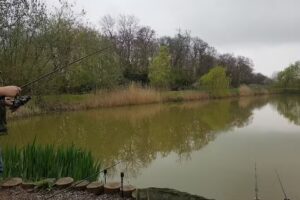
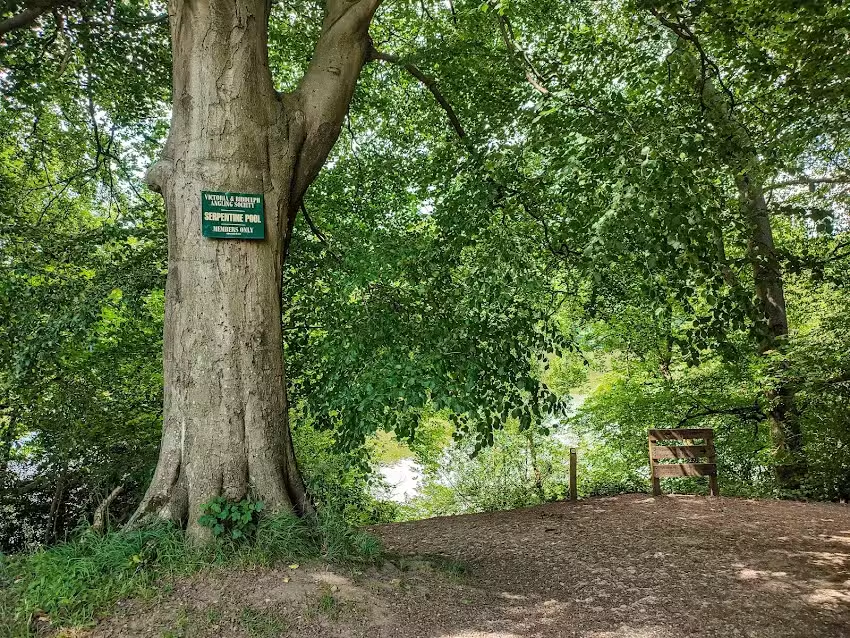
The venue’s rural setting means that members can fish in surroundings that feel far removed from busy urban life, with tree‑lined banks, wildlife and the sense of space many anglers look for when planning a full day by the water. For coarse anglers who enjoy targeting species such as carp, bream and silver fish on stillwaters, this type of club water can be attractive, especially for those who prefer a quieter environment over commercial day‑ticket fisheries. However, unlike a modern retail operation, anglers should not expect rows of tackle displays, staffed counters or on‑site sales of bait and accessories; instead, Victoria & Biddulph A.S is better understood as an access provider to waters, where you arrive with your own gear bought elsewhere.
From the perspective of equipment, anyone fishing these waters will generally rely on their own selection of fishing rods, fishing reels, fishing line and terminal tackle. Many members use all‑round coarse set‑ups, such as light feeder rods or float rods, combined with suitable fishing hooks, shot and wagglers to cover a range of species and distances. Those who specialise in carp or specimen fishing are more likely to bring heavier carp fishing rods, larger big‑pit reels and stronger mainline to cope with the extra strain of fighting bigger fish. Comfortable bankside furniture, like chairs and small bivvies, also tends to be personal choice, as the club does not promote itself as a fully serviced venue with hire equipment.
One of the potential strengths of a society such as this is the opportunity to build a routine around regular sessions and become familiar with particular pegs, depths and underwater features. Anglers who invest time in mapping out swims, learning how the fish respond to different weather patterns and testing a variety of baits often gain more consistent results than they might at heavily pressured commercial venues. Groundbaiting tactics, the use of method feeders, careful presentation of pellets or sweetcorn, and experimenting with hookbaits like bread, maggots or boilies all come into play. The club setting can therefore reward patient anglers who enjoy the technical side of their sport and are happy to put in hours of observation.
On the other hand, public feedback online is limited and includes at least one very low rating, which suggests that not every visitor leaves satisfied with the experience or with the club’s organisation. With such a small sample of published opinions it is hard to draw definitive conclusions, but it does indicate that potential members should ask questions in advance about rules, ticketing and how the water is maintained. Issues that sometimes arise at club waters elsewhere include unclear signage, disputes over day‑ticket access, weed growth in summer, or frustration about fish stocks and stocking policies. These are the kinds of concerns that interested anglers may wish to clarify directly with the society before joining.
In terms of facilities, there is no strong indication of extensive on‑site infrastructure beyond basic access to the banks, so visitors should plan as if they are going to a fairly simple club water. That usually means bringing everything needed for comfort and safety: landing nets, unhooking mats, appropriate keepnets where permitted, plus waterproof clothing and enough food and drink for the session. For those who want to upgrade or replace equipment, it is sensible to rely on external retailers or online stores that specialise in fishing tackle, from budget‑friendly starter gear to premium brands. Items such as carp fishing rods, feeder rods, robust fishing reels and a wide choice of fishing line and braid can all be sourced elsewhere and then used at the society’s waters.
Because Victoria & Biddulph A.S functions more as a membership‑based organisation than a walk‑in retail outlet, anglers used to commercial complexes may notice a different atmosphere. Rules around start times, night fishing, use of keepnets, barbed versus barbless hooks and bait limits are often stricter at club waters, reflecting a focus on fish welfare and maintaining a long‑term fishery rather than short‑term catch rates. For some, this is a positive sign of responsible management; for others, especially more casual anglers, it can feel restrictive. Careful reading of the club’s regulations and a willingness to adapt tackle set‑ups to comply, such as switching to specific patterns of fishing hooks or adjusting line strength, are part of fitting into this environment.
The location at Greenway Bank does offer the advantage of being reachable from several nearby communities, which is helpful for anglers balancing work, family and leisure time. Members who live within a short drive can make frequent short trips after work or at weekends, maximising the value of their membership and getting more hours on the bank without significant travel costs. This convenience particularly suits coarse anglers who enjoy regular short sessions with a light set‑up rather than infrequent, more elaborate trips that demand extensive packing and planning.
Another aspect to weigh up is the social side of belonging to an angling society. Some clubs are very active, with friendly regulars keen to share rigs, bait ideas and thoughts on the best fishing tackle for the water, while others can appear more closed to outsiders or slow to communicate changes. With only a small number of online comments available, it is unclear exactly where Victoria & Biddulph A.S sits on this spectrum, so potential members may benefit from talking to existing anglers on the bank or checking any available club channels for news and updates. Open communication about maintenance days, rule changes and stocking plans can make a significant difference to how welcome newcomers feel.
From a purely angling perspective, waters managed by societies like this provide good opportunities for methodical coarse fishing all year round. In warmer months, float fishing close in, using small pellets, corn or meat, can pick off silver fish and occasional bonus carp, while in colder conditions a more delicate approach with light line and fine fishing hooks may bring roach or skimmers when other venues slow down. Anglers who enjoy experimenting with different tactics can switch between waggler, pole and feeder presentations, trying various mixes of groundbait and particles to see what works best in the specific conditions on the day.
The absence of a dedicated tackle shop on site also means that anglers tend to arrive more self‑reliant and better prepared. Ahead of any trip, it is sensible to check weather forecasts, organise bait storage, ensure reels are loaded with fresh fishing line and confirm that larger items of tackle, such as banksticks, rod pods or seatboxes, are in good condition. Many anglers who fish club waters regularly also keep a basic repair kit with spare swivels, quick‑change links, float rubbers and other small items, so that a lost component does not cut a session short. This self‑sufficient approach aligns well with the quieter, more traditional feel many club anglers value.
On the negative side, the lack of detailed online presence and transparent information about facilities can be frustrating for modern anglers who are used to checking everything in advance, from peg maps to recent catch reports. Without clear digital communication, potential visitors may feel uncertain about whether there are toilets, parking arrangements, disabled access or family‑friendly spots. It can also be harder for younger or less experienced anglers to gauge whether the society offers coaching, junior sections or events that help newcomers learn how to use fishing rods and fishing reels effectively and safely.
For those deciding whether Victoria & Biddulph A.S is the right option, it is helpful to compare it mentally with fully commercial day‑ticket venues and with modern online retailers that supply specialist fishing tackle. Commercial fisheries often provide numerous pegs, on‑site staff and well‑publicised stocking policies, while online tackle shops give access to a vast range of gear, from beginners’ bundles to high‑end carp fishing rods, premium fishing reels and advanced terminal tackle. A local angling society, by contrast, offers continuity of fishing on familiar waters and a potentially closer‑knit community, at the cost of fewer amenities and less polished communication.
Anglers who value long‑term access to a set of waters within easy reach of home, and who are comfortable bringing their own equipment and adapting to club rules, may find that Victoria & Biddulph A.S meets their needs once they have gathered enough practical information about membership and expectations. Those who prefer a more service‑oriented environment, or who rely on on‑site sales of bait and end tackle, might decide that combining membership with regular purchases from dedicated fishing tackle retailers gives the best of both worlds. In any case, approaching the society with clear questions about facilities, rules and fish stocks is the most reliable way to decide whether this particular club fits individual angling preferences.