Walnut Tree Farm Fishery Barthomley Fisheries
BackWalnut Tree Farm Fishery Barthomley Fisheries presents itself as a straightforward, no‑nonsense coarse fishing venue where the focus stays firmly on fishing rather than frills. Regular visitors describe a setting that feels relaxed and unpretentious, aimed at anglers who value well‑stocked waters, approachable management and a down‑to‑earth atmosphere more than polished facilities. For anyone searching for a practical base for carp fishing or general coarse sessions, this farm‑based fishery offers a mix of strengths and weaknesses that are worth understanding before planning a trip.
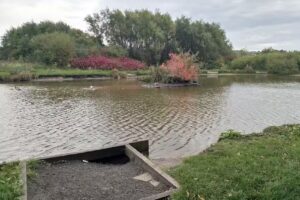
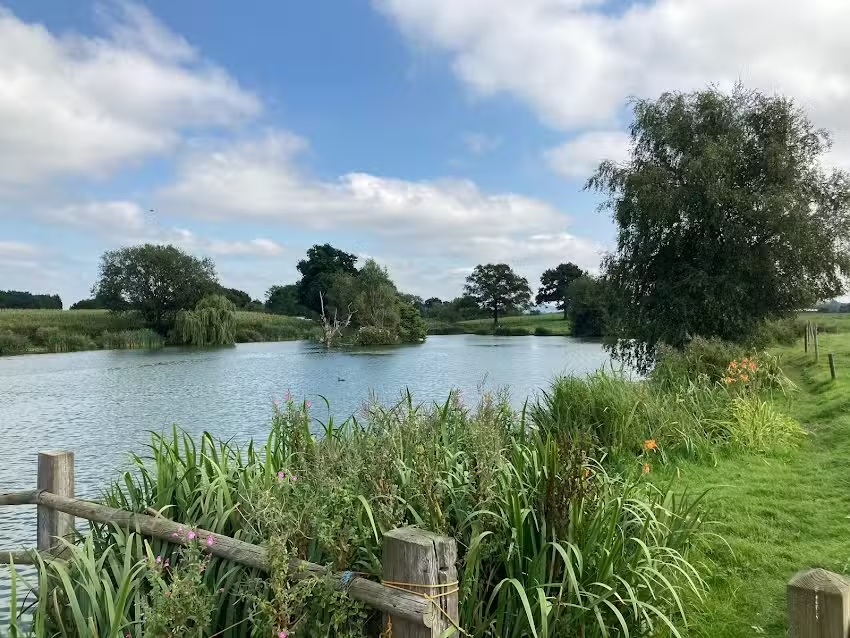
The site combines a working dairy farm with dedicated angling lakes, and this mixed use is one of its defining features. Anglers report a distinctive rural backdrop, with open fields and farm life close at hand, which can add character for some and feel a little busy for others. The owner is often mentioned as friendly, forward‑thinking and willing to chat on the bank, something that can make newcomers feel more at ease. At the same time, those expecting a purpose‑built, highly landscaped commercial complex may find the experience more rustic, with some areas looking more like a traditional farm pond than a manicured venue.
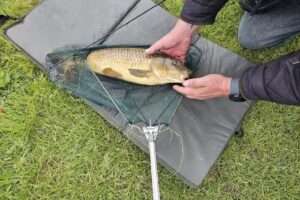
One of the positive aspects consistently highlighted is the way the fishery caters to relatively new anglers. A visitor only a couple of months into angling describes setting a personal goal of landing a carp and leaving with several different species on the bank. That sort of session suggests a stock level and stocking policy designed to provide regular bites rather than ultra‑selective specimen fishing. For beginners and family trips, the chance of catching roach, perch, rudd and different strains of carp in the same outing can make the water feel lively and forgiving, especially when compared with harder, low‑stocked venues.
More experienced anglers, particularly those focused on coarse fishing variety rather than chasing records, may also appreciate the mix of species. Reports mention mirror, common and crucian carp alongside silver fish large enough to be memorable. This indicates that, while the fishery may not position itself as a premier specimen water, it does offer enough diversity to keep a full day’s session interesting with different methods. Float fishing, feeder tactics and light ledgering all have a place here, and the venue can act as a practical testing ground for tackle and rigs picked up from more specialist fishing tackle outlets.
A recurring theme across feedback is the generally welcoming and relaxed attitude towards visitors. Anglers arriving with children note being made to feel comfortable and looked after, which matters for anyone considering their first night session with younger relatives. Courtesy from staff and other users often plays a big part in whether people return, and in this case many reviewers state clear intentions to come back. That said, the informal, friendly style may not appeal to those who prefer larger sites with on‑site bailiffs working to stricter, more visible rules and a more structured customer service approach.
The farm itself has diversified beyond fishing, with references to high‑adrenaline sports and a lively clubhouse alongside the angling lakes. This forward‑thinking use of land brings both benefits and drawbacks for anglers. On the positive side, it suggests a proactive investment in the site and a landowner keen to keep the venue active and viable. It also means there is likely to be some social life around the clubhouse, which can be enjoyable for anglers who like a chat after a session. On the downside, those who want absolute peace and quiet may find the occasional noise or movement from non‑angling activities a distraction, particularly at busy times.
The layout is described as including two main lakes, one focused on fishing and another retained primarily for wildlife. This division can be a strong advantage. Concentrating angling pressure on a dedicated lake while preserving a separate water as a sanctuary can help with fish welfare and encourage natural food sources. It also adds to the sense that the fishery is more than just a commercial operation, with an element of conservation and habitat value. However, some anglers might be disappointed that the wildlife lake is off limits for rods, especially if it visually appears attractive from the bank.
Cleanliness and general maintenance of the angling areas receive consistent praise. Visitors mention tidy banks and a well‑kept feel, which contributes to the sense of comfort and safety, especially for those bringing children or carrying a lot of gear. Pegs appear usable and functional rather than luxurious, with the emphasis on practicality. While you will not find the kind of purpose‑built, platform‑style swims seen at some large commercial waters, most anglers seem satisfied that the basics are covered: stable footing, clear water margins and easy access around much of the lake.
Catch reports from recent day and night sessions suggest that the fishery can be productive, particularly for anglers willing to stay into the evening or overnight. Groups on night fishing trips talk about “many fish” and sustained action, indicating that the stock responds well to bait and remains active throughout longer sessions. For those who enjoy dedicated carp fishing nights with bivvies, alarms and modern rigs, this can be a plus, although the venue is more about numbers of fish and fun rather than striving for record‑breaking specimens. Anglers seeking double‑figure or larger carp may still find targets here, but expectations should lean towards consistent action rather than trophy hunting.
Newcomers to night sessions should be aware that, being tied to a working farm, the setting will not always feel as secluded as a remote estate lake. Vehicles, farm machinery and the wider mix of activities may be part of the background. For some this adds to the character and sense of life around the venue; for others it may feel at odds with a desire for complete quiet. As with many farm‑based fisheries, the match between expectations and reality plays a big role: those who understand they are visiting a multi‑use rural site often leave satisfied, while those imagining a purpose‑built, angling‑only complex sometimes feel the contrast.
Customer service from the owner features prominently in comments, generally in a positive light. Anglers note that the farmer often takes time to stop for a chat, give basic advice and show genuine interest in how people are getting on. This sort of informal coaching can help newer anglers, particularly children and teenagers, build confidence with tackle and fish handling. However, anglers who prefer a more formal, almost anonymous experience may not see this as a major advantage and might instead look for venues where the staff remain more in the background.
The combination of angling lakes, wildlife areas and other rural attractions also affects who the fishery best suits. Families and mixed groups often appreciate being able to enjoy more than one activity in the same place, with younger members trying fishing while others watch wildlife or visit the clubhouse. For dedicated specimen hunters, though, the multi‑activity model can feel less focused, leading them to favour larger venues specifically built around day ticket carp fishing or match events. As a result, Walnut Tree Farm Fishery Barthomley Fisheries tends to sit in the middle ground between a pure commercial complex and a quiet farm pond.
Parking and basic access appear adequate, with most visitors arriving by car and finding it straightforward to reach the water. Being on a farm means tracks and paths can be muddy in wet weather, so sensible footwear and barrows for heavy tackle are advisable. In terms of on‑bank comfort, anglers should be prepared to bring everything they need, from shelters and seating to refreshments, rather than relying on a fully equipped tackle shop or café on site. For many, this is just part of the routine of coarse fishing; for others, especially those used to modern venues with on‑site fishing gear sales, this more self‑reliant approach may be a notable difference.
Although Walnut Tree Farm Fishery Barthomley Fisheries does not function as a retail shop, it sits within a broader angling landscape where visitors are likely to combine time on the bank with purchases from local and online fishing tackle shop providers. Common searches such as carp rods, fishing reels, coarse fishing bait and angling accessories are relevant here, as many anglers arrive with equipment geared towards catching mixed coarse species in farm‑pond environments. The venue’s stock profile means standard match fishing and carp fishing setups are both at home, and anglers can use sessions here to get the most out of new rigs, terminal tackle and baits bought elsewhere.
Critically, potential visitors should recognise that this fishery’s strengths lie in accessibility, friendly management and steady action rather than in offering cutting‑edge facilities or record‑breaking fish. Those who enjoy straightforward day or night sessions, with a realistic expectation of regular bites and a relaxed farm setting, often leave very satisfied. Anglers looking for a highly specialised specimen venue with detailed peg‑by‑peg information, formal coaching packages and extensive on‑site amenities may consider it more of a casual option for when they want a change of pace. In that sense, Walnut Tree Farm Fishery Barthomley Fisheries offers a balanced, honest experience that will appeal strongly to some anglers and less to others, depending on what they want from their time on the bank.