WALTHAMSTOW FLY FISHERS CLUB
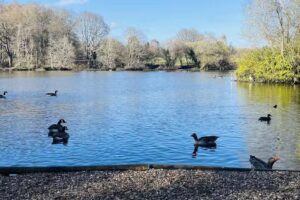
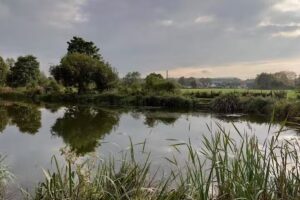
BackThe Walthamstow Fly Fishers Club stands as a dedicated venue for enthusiasts of fly fishing, offering access to a well-maintained lake stocked with robust trout. Anglers appreciate the strong fish that provide genuine challenge and enjoyment during sessions. This setup appeals to those seeking a straightforward spot to practise their casting techniques without the complexities of open-water adventures.
Facilities and Fishing Experience
The club's lake hosts a variety of trout species, known for their vigour and readiness to take the fly, making each visit potentially rewarding. Members and day-ticket holders alike report consistent action, with fish that fight hard upon hooking. The water body benefits from regular stocking, ensuring fresh opportunities for catches that keep sessions lively and productive. Fly fishing lakes like this one cater specifically to devotees of the artificial fly, where precision in presentation proves key to success.
Access to the lake comes through membership or permits, fostering a community of like-minded individuals who share tips on local hatches and effective patterns. The environment supports various fly fishing techniques, from dry fly fishing during rises to nymphing in deeper sections. Water clarity aids in spotting fish behaviour, allowing skilled casters to adapt their approach swiftly. However, the limited size of the lake means space can feel constrained during peak times, potentially leading to crowded banks that hinder optimal casting arcs.
Club Atmosphere and Community
A strong sense of camaraderie defines the club, with long-standing members passing on knowledge about rigging leaders and selecting flies suited to the venue's conditions. This supportive network proves invaluable for novices building confidence in their fly fishing gear. Events and informal gatherings encourage exchange of experiences, from battling larger specimens to refining roll casts. The club's heritage as a fly fishing hub in the area adds to its allure for those committed to the sport.
Yet, the small number of visitor accounts highlights a potential drawback: limited visibility into day-to-day operations. Without broader feedback, prospective visitors might hesitate, unsure of consistency across seasons. The focus on fly-only rules enforces discipline but could exclude those preferring bait or lure methods, narrowing the appeal compared to multi-method pesca houses.
Strengths in Stocking and Fish Quality
Trout here display impressive vitality, often described as powerful fighters that test tackle and skill alike. Stocking practices ensure a healthy population, with fish growing to respectable sizes over time. This reliability draws repeat visitors who value predictable sport over hit-or-miss outings. For casas de pesca enthusiasts, the emphasis on quality stock sets a benchmark, emphasising sustainable management that supports ongoing angling pleasure.
Challenges with Accessibility and Variety
Reaching the site requires navigating urban surroundings, which might deter those seeking a more secluded escape. The venue's urban edge contrasts with idyllic rural fly fishing ponds, potentially affecting the serene mindset many seek. Moreover, the trout-centric focus limits biodiversity; absent are chub or perch that diversify catches in broader fishing lakes. This specialisation suits purists but may disappoint anglers craving varied species.
Equipment and Preparation Needs
Standard fly fishing equipment suffices, with rods in the 4- to 6-weight range ideal for the lake's dynamics. Leaders tapered to 9 feet handle turnover well, while a selection of nymphs, streamers, and dries covers most scenarios. Waders prove essential for accessing prime lies, though bank fishing remains viable along much of the perimeter. Anglers should arrive rigged and ready, as the compact layout demands efficiency.
On the downside, the lack of on-site tackle shop means bringing full kits, a hassle for forgetful visitors. No bait alternatives exist due to fly-only stipulations, reinforcing the need for precise fly selection. Compared to comprehensive casas de pesca with rentals, this self-reliant model tests preparedness but risks frustrating less-organised participants.
Seasonal Performance and Conditions
Spring and autumn emerge as prime periods, with active trout responding to buzzer patterns and sedges. Summer brings surface action on daddies, while winter tests with subtle sub-surface work. Water temperatures influence feeding, rewarding observant anglers who match conditions. The club's maintenance keeps weed growth in check, preserving castability throughout the year.
However, urban proximity introduces variables like fluctuating water levels from local drainage, occasionally muddying the lake and dulling sport. Wind off nearby buildings can tangle lines, challenging even seasoned casters. These factors underscore the venue's urban-rooted limitations versus sheltered, rural fly fishing venues.
Member Benefits and Commitment
Membership unlocks priority access and potential coaching sessions, nurturing skill development in a structured setting. Social events strengthen bonds, turning solitary pursuits into shared triumphs. For dedicated fly fishers, this investment yields long-term value through reliable fishing and peer support.
- Exclusive lake time reduces competition.
- Shared insights on effective flies and tactics.
- Stable environment for honing techniques.
Drawbacks for Casual Visitors
Day tickets, while available, come at a premium relative to output, given the finite fish numbers. Sparse facilities—benches scarce, no shelters—expose anglers to elements. The fly-only ethos demands proficiency, sidelining beginners who struggle with basic casts amid pressure from proficient peers.
Comparison to Regional Alternatives
Within London's fly fishing scene, the club holds its own against larger reservoirs by offering intimate, focused sessions. Fish strength rivals stocked commercial waters, though numbers lag behind heavily managed sites. The community aspect compensates for scale, providing guidance absent in anonymous pay-lakes.
Critically, competitors often boast superior amenities like cafes or tuition packages, easing entry for newcomers. The club's minimalism suits veterans but alienates those expecting hand-holding. As a casa de pesca option, it excels in purity yet falters in accessibility and extras.
Prospects for Improvement
Expanding feedback collection could build trust through diverse testimonials. Adding beginner clinics might broaden appeal without diluting ethos. Enhanced bankside comforts—simple shelters or seating—would elevate comfort without compromising rustic charm.
Overall Suitability for Anglers
For proficient fly fishers valuing stout trout and club camaraderie, the Walthamstow Fly Fishers Club delivers solid returns. Its lake's consistent stocking and lively fish make it a worthy addition to local rotations. Seasoned casters find ample challenge in navigating currents and hatches.
Conversely, novices or variety-seekers may find limitations frustrating: crowding risks, gear demands, and trout exclusivity constrain versatility. Urban influences temper immersion, distinguishing it from tranquil fly fishing lakes. Weighing strengths against constraints helps target the right audience, ensuring realistic expectations for rewarding outings.
Ultimately, the venue thrives as a niche haven for dedicated practitioners, balancing spirited sport with community ties. Its role in urban angling underscores resilience, proving quality fly water viable amid cityscapes. Potential visitors should assess their skill level and preferences against these realities for optimal enjoyment.