Wellingborough Fishing Lakes
BackWellingborough Fishing Lakes offers a focused, no‑nonsense environment for serious carp anglers who value privacy, long‑term commitment and challenging fishing over casual day sessions. Set within a sizeable tract of mature countryside alongside the Nene valley, it operates as an exclusive carp syndicate rather than a public day‑ticket venue, which immediately shapes both its strengths and its limitations for potential visitors.
The complex is made up of several substantial former gravel pits, including well‑known waters such as The Mill, which spans around twenty‑one acres with a distinctive three‑cornered island that effectively splits the water and creates varied features and patrol routes for the fish. Stocking is relatively low compared with many commercial waters, with roughly one hundred and thirty carp in The Mill alone, a deliberate choice that encourages continued growth and produces a genuine specimen‑hunting feel rather than nonstop action. For many dedicated anglers this low‑stock approach is a major attraction, but it also means blank sessions are a realistic possibility even when conditions appear favourable.
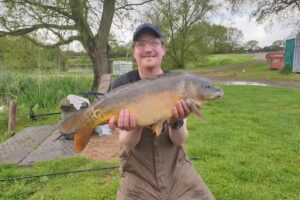
The fish themselves are a key draw. Reports highlight carp growing well past the mid‑thirties, with individual fish breaking the forty‑five‑pound mark, underlining the venue’s status among regional carp lakes as a place where a single capture can define a season. This emphasis on quality over quantity appeals strongly to anglers who have already spent years on more heavily stocked commercial fisheries and are now seeking a more demanding, long‑term target water. Those who just want steady bites and a busy float, however, may find the fishing too demanding and the stock too sparse for their tastes.
Infrastructure around the lakes has been carefully developed, reflecting a modern approach to carp fishing where practicality and security play a major role in an angler’s choice of venue. Anglers comment positively on well‑laid stone paths, purpose‑built swims and extensive otter‑fencing, which together make the complex more accessible in poor weather and help protect the fish from predation. Multiple reviews note that these features are not token gestures: paths are maintained, swims are properly constructed rather than improvised, and the predator‑proofing is taken seriously, giving confidence that the stock is being protected for the long term.
Security is further reinforced with CCTV coverage across the site, something that many modern fishing lakes now consider essential but do not always implement to the same standard. Anglers value the sense that both their tackle and the fishery are under constant watch, particularly on overnight sessions where high‑value equipment is left outside bivvies. Feedback describing the site as clean, tidy and clearly cared for suggests that management invests time and money into ongoing maintenance rather than relying on the setting alone to impress visitors.
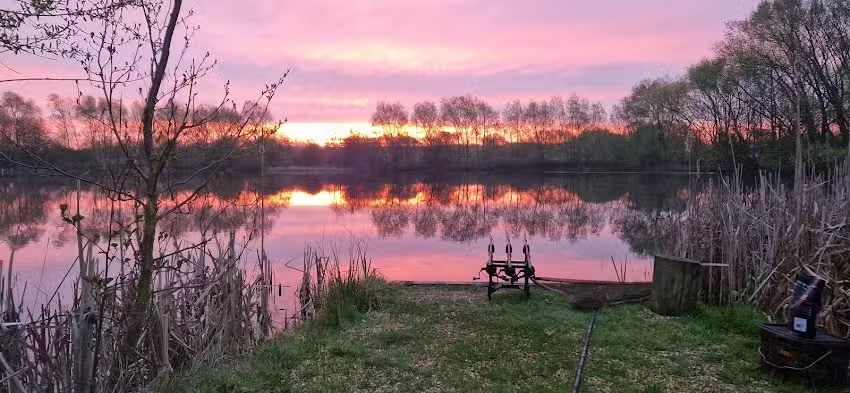
Visually, Wellingborough Fishing Lakes delivers the kind of setting many carp anglers look for when stepping away from busy urban or roadside venues. Mature tree growth, established banks and open green space create a calm atmosphere, and photographs show expansive views across the water with a noticeable absence of clutter or overcrowding. Some anglers simply describe the place as stunning and express eagerness to “get the rods in”, a reaction that reflects both the visual appeal and the anticipation of encountering big, wary carp in a relatively unpressured environment.
One significant operational feature is the twenty‑four‑hour opening model. The lakes are effectively available around the clock every day, which suits anglers planning longer sessions, short overnight trips after work or early‑morning starts without being constrained by gate times. For those who build their angling around shift patterns or family commitments, this continuous access can make a real difference when choosing between different carp fisheries. However, the open‑all‑hours nature also places responsibility on members to behave considerately, as staff presence is not constant in the way it might be at a tightly controlled day‑ticket complex.
Access to the venue is deliberately restricted. Wellingborough Fishing Lakes is run as a private carp syndicate with no day‑ticket option, and entry is managed through a structured winter syndicate that effectively acts as a waiting list for the main membership. This system suits anglers who want to commit to a single water and are prepared to invest time over several seasons, but it can be frustrating for those hoping to try the venue on a more casual basis. The requirement that members be over thirty years old and have prior big‑fish syndicate experience further narrows the pool of eligible anglers, creating a more homogenous membership but limiting opportunities for younger, keen but less experienced carp anglers to progress through the ranks.
For experienced anglers, this selective approach can be a positive. Sharing the banks with others who understand syndicate etiquette tends to mean quieter nights, more considered use of bait boats and alarms, and a general respect for swim rotation and watercraft. It also helps maintain a consistent level of tackle standards and fish care, which is particularly important when dealing with large, valuable carp that require quick, competent handling on the bank. The downside is that the same level of exclusivity can appear unwelcoming or elitist from the outside, especially to those who feel that carp fishing lakes should be more openly accessible.
Feedback about the atmosphere and social side of the complex is mixed. Some visitors focus on the quality of the venue itself and the work that has gone into presentation, praising it as famous, well looked after and clearly managed with pride. Others are less positive, suggesting a degree of insularity in the membership and describing an “old boys network” feel where club structures and internal decision‑making can leave some anglers feeling excluded or unwelcome. This criticism does not relate to the physical fishery so much as to the culture around membership and governance, but it is still a relevant consideration for anyone thinking of joining.
From a fish‑welfare perspective, Wellingborough Fishing Lakes appears to follow the standards expected at serious specimen venues. The investment in otter fencing, considered stock levels and sustained maintenance of banks and swims are all indicators of a long‑term strategy rather than a short‑term commercial operation. Although specific rules are not listed in the information available, anglers can reasonably expect to find the usual big‑carp requirements such as appropriate unhooking mats, barbless or micro‑barbed hooks, and limits on the use of certain rigs and baits, consistent with other high‑end carp syndicates in the Nene valley.
Location‑wise, the complex lies off a main route with clear access yet retains a sense of separation from busy surroundings, which helps maintain the quiet atmosphere prized by many specimen hunters. Unlike heavily promoted day‑ticket fishing venues that rely on high throughput, Wellingborough Fishing Lakes is not geared towards families or complete beginners; it targets a narrower audience of committed carp anglers who already understand the demands of bigger, lower‑stocked waters. For some this positioning is ideal; for others it may mean the venue feels closed‑off or overly serious, especially if they are used to venues with on‑site cafes, tackle shops or coaching.
The lack of day tickets and requirement for syndicate membership also mean prospective visitors cannot simply turn up for a one‑off session to see whether the place suits them. Instead, they need to research carefully, speak to existing members where possible and weigh up whether the waiting list, membership structure and style of fishing align with their priorities. Anglers used to more accessible day ticket carp lakes might find this restrictive, but those looking for a long‑term “home water” with consistent management and limited angling pressure may see it as a worthwhile trade‑off.
Overall, Wellingborough Fishing Lakes stands out as a well‑run, security‑conscious and visually attractive complex designed primarily for experienced carp anglers pursuing larger fish on a syndicate basis. Strong points include its specimen potential, thoughtful infrastructure, round‑the‑clock access and emphasis on protecting both anglers and stock. Potential drawbacks include the exclusive membership model, age and experience restrictions, the absence of day tickets and occasional perceptions of a closed club culture. For anglers who match the entry criteria and are comfortable with a more demanding approach to specimen carp fishing, the complex offers the chance to commit to a serious venue with genuine big‑fish credentials; for those seeking relaxed, occasional trips or mixed‑species sport, a more open local fishery may be a better fit.