West House Trout Lakes
BackWest House Trout Lakes stands as a dedicated trout fishing venue where anglers target rainbow, blue, and brown trout across four distinct waters. These lakes, nestled on a farm setting, offer year-round access to fly fishing opportunities that appeal to those seeking quality sport in manageable sizes. Visitors often note the clarity of the water and the presence of natural food sources that support healthy fish populations.
Lake Characteristics
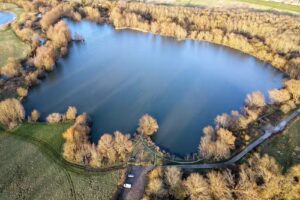
The West Lake serves as the original water, covering about 1.5 acres with depths ranging from four to eleven feet. It hosts abundant insect life including corixa, damsels, buzzers, shrimps, sedge, and fry, making small pattern flies particularly effective here. Coarse fish like carp up to thirty-two pounds add to the ecosystem, though the focus remains on trout.
Horseshoe Lake wraps around the West Lake in a distinctive shape, spanning roughly two acres at depths of five to seven feet. Its clear water, small bays, and overhanging trees create ideal conditions for stalking tactics, rewarding patient anglers who present flies naturally.
Fox Lake, the smallest at one acre, restricts fishing to nymphs, buzzers, or dries only, emphasising a low-profile approach. Seasonal hatches from late April through June bring excellent surface action with black gnats, hawthorns, and beetles during favourable weather.
Mill Lake, the largest at four acres, features two islands, bays, and peninsulas that provide varied options for different techniques. Damsels, olives, sedges abound in the shallows, while pheasant tail nymphs, hares ears, diawl bachs, hoppers, and daddy long-legs prove reliable; in colder periods, gold heads, cats whiskers, and zonkers take over.
Fishing Experiences
Anglers report consistent stocking with rainbows from two pounds up to eighteen pounds, blues similarly sized, and browns reaching twenty-two pounds, with a fishery record of nineteen pounds for rainbows. Sessions typically allow keeping the first fish followed by catch-and-release, promoting sustained action over eight hours. Fly fishing exclusively with barbless hooks and landing nets ensures ethical practices, and all brown trout plus rainbows over six pounds must be returned.
Recent visits highlight productive days using buzzers, diawl bachs, hares ears, daddies, nymphs, and damsel variants, with fish in prime condition that fight vigorously. Multiple outings in a short period yielded double-digit nets, though losses to drops occur, adding to the challenge that keeps enthusiasts returning. Surface and subsurface patterns match the hatches well, particularly in clear, low-weed conditions.
Positive Aspects
The venue maintains tidy lakes with minimal weed in most areas, facilitating unhindered casting and clear sight of fish activity. Stocked regularly, the trout display vitality and size variety suitable for all skill levels, from novices to seasoned fly fishers. Peaceful farmland surroundings enhance the experience, voted among the prettiest in northern England, with ample parking available.
Payment flexibility supports both online and on-site options, easing access for day tickets. Natural richness in each lake caters to specific tactics: small flies for West Lake, stalking in Horseshoe and Fox, lures or imitations in Mill. Year-round opening accommodates winter fishing with appropriate patterns, and the variety of four lakes prevents monotony during extended sessions.
Challenges Faced
Weed growth poses issues in certain sections, rendering parts of the lakes difficult or impossible to fish effectively at times. Facilities draw consistent criticism for poor upkeep; the cabin for refreshments appears dirty and unappealing, while toilets suffer similar neglect, deterring longer stays especially in cooler weather due to limited shelter.
Payment methods limited to cash or cheque in some accounts feel outdated, lacking card options that modern venues often provide. Absent catch books mean newcomers lack insights into current hot flies or patterns succeeding that day. Fish health concerns surface occasionally, with reports of ulcers or fungal issues near gills on closer specimens, though not universally confirmed.
Wind can challenge casting, and fishing proves tough periodically, demanding adaptability. No on-site shop means anglers must arrive equipped, and the open rest area exposes users to elements without robust cover.
Venue Rules and Preparation
Fly-only fishing mandates generally accepted tackle, maximum two barbless flies, and personal landing nets for all trout. Environment Agency rod licences are required alongside day permits. Prosecution awaits those exceeding limits or hours, underscoring strict enforcement.
Preparation involves selecting flies attuned to lake specifics: buzzers and nymphs universally, dries for Fox, streamers for Mill in winter. Barbless hooks aid quick releases post-first fish. Arriving with full kit, including refreshments, mitigates facility shortcomings.
Angler Feedback Insights
Multiple-day visitors praise the value despite variable catches, netting several quality trout per outing with vivid fights. Picturesque settings and well-conditioned fish bolster return intentions. Conversely, hygiene lapses in amenities repel groups, with some vowing non-return over unclean conditions.
Weed and facility woes recur in critiques, overshadowing lake prettiness for some. Early or windy sessions test patience, yet natural food abundance sustains activity. Overall, dedicated trout lake enthusiasts find merit in the sport offered, balanced against maintenance needs.
Suitability for Different Anglers
Beginners benefit from smaller lakes like Fox for targeted practice, while experts exploit Mill's scale for advanced lines. Families or groups appreciate space across waters, though facilities limit comfort. Solo stalkers thrive in Horseshoe's features.
Trout fisheries like this reward persistence amid challenges, with clear water revealing rises and cruising fish. Stock quality and variety position it well among regional options, provided expectations align with rustic realities.
Consistent stocking and natural hatches ensure reliable sport, with records attesting potential for trophies. Improvements in amenities could elevate appeal, but current strengths in fish and waters draw repeat custom from those prioritising the rod over comforts.