Whitby Angling Festival
BackWhitby Angling Festival at 18 John Street is a long‑running sea angling event that has become a reference point for many UK anglers looking for structured, well‑organised competition and a steady flow of local fishing knowledge. Although it is not a tackle shop in the traditional sense, it plays a similar role for many visitors by connecting them with charter boats, shore marks and practical advice that directly influences how they choose their sea fishing tackle and plan their trips.
The event is closely associated with experienced local skippers and anglers who share detailed catch reports and stories from the Whitby charter fleet. One early online review described it as the best sea fishing website for information about Whitby, highlighting the daily catch reports and stories from the charter boats. That background continues to shape the character of the festival today: anglers arrive not only for the competition itself but also for the opportunity to learn what works in the area, from suitable beachcasting rods for the local ground to the right terminal tackle for deep‑water wrecks.
Where many coastal events simply gather anglers and weigh fish, Whitby Angling Festival tends to emphasise information sharing. Visitors can expect conversations about which sea fishing reels handle the local conditions, how to rig for cod or pollack on wreck marks, or what strength of mainline and shockleader makes sense from the local piers and rock marks. This informal advice culture is valuable for less experienced anglers who might otherwise struggle to choose appropriate saltwater fishing gear when they first arrive in town.
Because the festival is tied into Whitby’s charter‑boat scene, it naturally attracts anglers who focus on boat fishing with heavier boat fishing rods, but shore anglers are also catered for through discussions of marks, tides and seasonal patterns. For example, anglers attending the event will often compare different setups of surfcasting rods and fixed‑spool reels for distance casting from the beaches around the area, or swap opinions on multiplier reels and rod ratings for rough ground and kelp beds. As a result, the festival feels relevant whether someone prefers uptiding from a boat or casting baits from the shore.
From the perspective of potential visitors, one of the strongest points of Whitby Angling Festival is the depth of local knowledge concentrated into a short period. Rather than browsing generic online advice about sea fishing rigs, anglers can talk to people who fish the area all year round. They hear which baits have been working, which wrecks are producing better fish, and how weather patterns are affecting water clarity and feeding behaviour. For customers who might otherwise spend money on unsuitable saltwater fishing tackle, that kind of insight can save both time and expense.
The event also contributes to decisions about purchasing more specialised equipment. Discussions often revolve around suitable spinning rods for targeting pollack or bass around structure, or whether lighter lure‑fishing setups make sense in particular conditions. This is important for anglers who are used to coarse fishing or carp fishing and are stepping into sea angling for the first time; their existing carp rods or feeder rods may not be ideal in a heavy swell or over rough ground, and the festival setting gives them realistic expectations before they invest in new gear.
A further positive aspect is the way Whitby Angling Festival links anglers with charter skippers and organised trips. Newcomers can learn what type of boat fishing tackle is usually provided on board and what they might want to bring themselves. Skippers are often happy to recommend line strengths, hook patterns and weights, meaning visitors are less likely to arrive with tackle that is too light or too heavy. For many, the event becomes a starting point for planning future trips and deciding which fishing rods and reels they want to add to their collection.
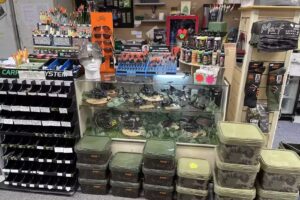
On the other hand, there are some limitations that prospective visitors should keep in mind. The physical base of Whitby Angling Festival on John Street is not a fully stocked retail premises comparable to a large high‑street tackle shop. Anglers looking for a wide choice of brands in sea fishing rods, reels, clothing and accessories on the spot may find that they still need to rely on online orders or established tackle shops elsewhere. The festival is primarily an event and information hub rather than a comprehensive walk‑in store for every conceivable item of fishing tackle.
Because it is centred around specific dates during the year, another drawback is that the main benefits of the festival are concentrated into particular periods. Outside those times, anglers cannot expect the same level of face‑to‑face interaction or competition atmosphere. While seasoned local anglers remain active all year, someone hoping to time a visit with the full festival programme needs to plan ahead rather than assuming that all activities run continuously, even though the event offices may keep regular daytime hours.
The relatively small number of public online reviews compared with big tackle retailers means that independent opinions are less numerous and sometimes quite old. The few comments that do exist tend to be very positive about the information and reports provided, but potential visitors do not have hundreds of recent ratings to sift through. For people who rely heavily on aggregated scores to choose where to spend money on sea fishing equipment or events, that scarcity of recent feedback can make decision‑making slightly harder and pushes them towards asking questions directly.
In practical terms, Whitby Angling Festival is best suited to anglers who value local knowledge, structured competition and personal contact over on‑site retail choice. Competitors and regular sea anglers benefit most from the event’s links with charter boats, historical catch data and discussions about tides, marks and seasonal changes. Casual visitors looking for an all‑purpose shop where they can handle a wide range of fishing reels, rods and accessories may see it more as a point of contact and information before ordering their gear from specialist retailers or larger online stores.
From a customer‑oriented point of view, one of the festival’s strengths is accessibility to both experienced and novice anglers. Those who already understand advanced topics such as specialised surfcasting tackle or fine‑tuning sea fishing rigs will find like‑minded anglers to compare setups with, but newcomers are not left behind. They can ask simple questions about line strength, hook size or the difference between a general‑purpose spinning rod and a dedicated beachcaster without feeling out of place, which helps them avoid common mistakes when buying their first dedicated sea‑angling outfits.
It is also worth noting that the festival helps highlight how different pieces of sea fishing gear perform under real conditions rather than just on paper. Anglers return year after year and share how their rods and reels have held up to repeated use in saltwater, which models cope best with heavy loads from wrecks, and which lines or leaders have provided the right balance of abrasion resistance and casting performance. This kind of long‑term feedback is difficult to obtain from catalogues and product descriptions alone and can influence serious purchasing decisions more than any promotional material.
On the negative side, anyone expecting a glossy, retail‑driven experience with extensive in‑store displays of sea fishing lures, clothing and accessories may feel that the event is more functional than polished. The focus is clearly on angling, competitions and information rather than merchandising or creating a destination shopping experience. For some customers this is a positive point, as it keeps attention on the fishing itself, but others might prefer a more commercial setting where they can compare multiple brands of fishing rods and reels side by side before buying.
For many potential visitors, a sensible approach is to treat Whitby Angling Festival as a practical complement to their usual tackle‑buying habits. Anglers can attend the event, gather targeted advice about which sea fishing tackle suits the local conditions, see what other participants are using successfully, and then use that information to refine their shopping list. Whether they ultimately purchase from independent tackle shops, national chains or online specialists, the knowledge gained at the festival helps them invest in gear that is more likely to perform well on the marks and charter boats they intend to fish.
Overall, Whitby Angling Festival offers a focused, information‑rich environment for sea anglers who want more than just a catalogue of sea fishing equipment. Its strengths lie in local expertise, real‑world experience and close links with the charter‑boat community. The downsides mainly relate to limited on‑site retail choice and a relatively small digital footprint in terms of recent public reviews. For anglers prepared to look beyond glossy product displays and concentrate on meaningful angling knowledge, it can be a valuable stop when planning their next sea‑fishing trip and deciding how best to equip themselves.