Whittlesford Pit
BackWhittlesford Pit, also known as Longmoor Lake, is a members-only coarse fishing water managed by Saffron Walden Angling Club, offering a relatively quiet setting for anglers who prefer a more traditional, low-key venue over highly commercialised fisheries. It sits close to farmland and is accessed via a gated entrance with a coded padlock, which helps keep the water secure and contributes to its calm atmosphere, although this also means that casual or first-time visitors must plan ahead to ensure they understand the access arrangements. For prospective anglers looking for a less crowded water to target quality fish rather than high numbers, this pit can feel like a hidden option, with both strengths and limitations that are worth weighing carefully.
The water is known among local anglers for its stocks of carp, tench, bream and silver fish, giving it genuine mixed-fishery appeal. Reports mention carp running into the twenties, tench to around 8 lb and bream to about 5 lb, making it attractive for those who enjoy specimen-style fishing without the intensity of heavily marketed venues. For that reason, key phrases such as carp fishing, specimen carp and tench fishing often come up when experienced anglers discuss the pit online. The variety of species allows different approaches, from early morning tench sessions in the margins to slower, more patient campaigns for larger carp, which can be rewarding but rarely easy.
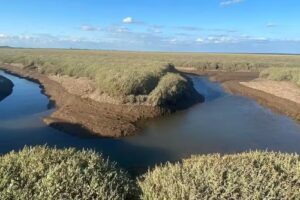
One hallmark of Whittlesford Pit is its relatively shallow profile, with some of the deeper areas reported at about 7 feet and margins often around 2–3 feet, over a bottom that can be very weedy in places. This structure gives the lake a natural feel and provides cover for fish, but it also demands that anglers think carefully about presentation and tackle, especially in warmer months when weed growth peaks. Those who enjoy technical, watercraft-focused sessions may find this appealing, while newcomers expecting an easy, obstruction-free venue might feel challenged by the conditions. The clear edges and prominent reed beds, bullrushes and occasional lily pads create classic margin features where fish can be stalked, which is ideal for mobile anglers prepared to adjust tactics through the day.
The management by Saffron Walden Angling Club brings structure and rules that are typical of a responsible coarse fishery, and prospective visitors should be aware that this is not a casual day-ticket water. The club emphasises fish welfare, including specific requirements that fish over a certain weight are not retained in keepnets or sacks and must be returned promptly, a policy that underlines the importance placed on the health of larger specimens. There is also a defined pike season at the pit, indicating that predator fishing is controlled and limited to specific months, which will suit anglers who enjoy seasonal variety but may disappoint those hoping for year-round predator action. Club communication channels, including online updates, highlight that the water has occasionally been closed or restricted and later reopened to members, which shows active management but also means access can change and must be checked in advance.
For coarse anglers searching for a relatively peaceful venue rather than a commercial complex, the relative seclusion of Whittlesford Pit is often seen as an advantage. Anglers commenting about similar pits describe them as quieter, more natural and less pressured than busy day-ticket waters, which fits the overall impression of this site. The downside for some is that the lack of heavy footfall translates into fewer online reports, so anglers who like detailed, up-to-the-minute catch logs and peg-by-peg breakdowns may find information sparse and have to rely more on their own trial and error. For methodical anglers, that scarcity of data can be part of the attraction, offering a sense of working a water out for themselves rather than following the latest social media trends.
In terms of target species, carp are an obvious draw, with the club itself highlighting that carp can be caught near reed beds and that open water also offers skimmers, rudd and crucian carp on a range of baits. This suits anglers who like to mix specimen hunting with more general coarse sport, perhaps starting the day with float-fishing for silvers before putting out a more selective rig for carp later on. The combination of reeds, marginal weed and open water means that classic carp rigs such as bottom baits with careful lead set-ups or balanced wafters presented over light baiting patterns can be effective when positioned accurately. Location and quiet watercraft are particularly important here; fish are often found close to cover, and subtle approach with minimal disturbance can make a significant difference to results.
Tench are another key selling point of this venue, with previous reports of good-sized fish and strong, dogged fights in and around the weed. For many anglers, tench sessions at first light, fishing corn or similar baits in clear margins or along reed lines, are a highlight of the warmer months. The combination of shallow water and weed means tench can be targeted with both float and light feeder tactics, but tackle needs to be robust enough to cope with fish that head for thick weed beds as soon as they are hooked. This adds an extra layer of challenge, which appeals to dedicated tench enthusiasts but may prove demanding for beginners or anyone using overly light gear.
There is also historical interest around the pit in relation to bream and other species, with some older reports mentioning larger bream alongside more typical skimmers. While the current stock profile is ultimately known in detail only by the club and regular members, the available information suggests a water that can produce a range of catches rather than being dominated by a single species. That balance is attractive to anglers who want options: they can approach the pit as a coarse fishing venue for mixed bags or treat it as a more selective specimen fishing challenge, depending on the tactics they choose. The presence of rudd, crucians and perch further broadens the appeal for those who enjoy traditional float sessions with simple rigs and modest tackle.
Not everything about Whittlesford Pit will suit every angler, and it is important to be clear about the potential drawbacks. The weedy nature of the lake, while great for fish habitat, can make presentation and landing fish tricky, particularly for less experienced anglers or those unfamiliar with weedy pits. The requirement for membership, padlock code access and adherence to club rules means that spontaneous visits are not straightforward; prospective visitors must be prepared to join the club, familiarise themselves with regulations and respect the restrictions in place. In addition, because the venue is not a heavily promoted commercial fishery, on-site facilities may be limited compared with larger complexes, so anglers should arrive self-sufficient, with appropriate equipment and provisions.
On the positive side, the same features that some may see as limitations contribute directly to the venue’s appeal for others. The controlled access and member focus help to maintain a quieter bankside environment, reducing litter and disturbance, which is highly valued by many coarse anglers. The emphasis on fish welfare and sensible handling rules is reassuring for anyone who cares about the long-term health of the stock, especially the larger carp and tench that are central to the venue’s reputation. Experienced anglers who are willing to adapt to conditions often speak highly of such waters, noting that they reward patience, thoughtful baiting and careful observation of signs like bubbling, rolling fish or subtle line bites.
The small number of public ratings associated with Whittlesford Pit suggests a generally positive impression among those who have taken the time to leave feedback, though the sample size is too limited to draw sweeping conclusions. At the same time, angling blogs and videos about similar pits describe them as places where the angler must work for each bite but may be rewarded with memorable fish, particularly on low-light sessions in the evening or early morning. These anecdotal accounts fit the broader picture of a water where fish are present and of good quality but not guaranteed, reinforcing the idea that Whittlesford Pit is aimed more at committed anglers than at casual family outings looking for non-stop bites. For those prepared to put in the time, learn the swim layout and refine their approach, the sense of achievement when a good carp or tench finally slips over the net cord can be significant.
From a practical perspective, anyone considering Whittlesford Pit should think carefully about their expectations and level of preparation. Anglers who already enjoy carp lakes and traditional pits with reed-fringed margins, clear water and weed will likely find this venue aligns closely with their preferences. They should plan their sessions with suitable line strengths, larger landing nets and unhooking gear, along with appropriately sized mats or cradles to match the potential size of the fish. Prospective members should also ensure they review the angling club’s rules, noting any seasonal restrictions on species such as pike and any guidance on night fishing, matches or peg use, so that visits run smoothly and within club expectations.
Whittlesford Pit offers a blend of quiet surroundings, mixed-species sport and genuine specimen potential that will appeal strongly to dedicated coarse and carp anglers who favour characterful club waters over commercial day-ticket venues. Its strengths lie in the quality of the stock, the natural layout and the controlled access system that supports a calmer environment, while its weaknesses revolve around weed, the need for preparation and the lack of instant, walk-on access. For potential visitors willing to adapt their expectations and tackle, the pit represents an opportunity to enjoy thoughtful sessions targeting carp, tench, bream and silvers in a setting that feels more like a traditional angling club water than a modern fishery complex. Those looking for a convenient, high-footfall fishing lake with extensive facilities may wish to look elsewhere, but anglers who appreciate a quieter, more challenging venue may find Whittlesford Pit a rewarding addition to their regular waters.