Ynys-y-Fro Reservoir
BackYnys-y-Fro Reservoir is run as a dedicated trout fishery rather than a general public park, and that focus shapes almost every aspect of the experience for visiting anglers. The water is controlled access, so casual walkers quickly notice that they cannot simply complete a full circuit of the reservoirs, while those coming to fish tend to appreciate the managed, quieter environment dedicated to angling. This gives the venue a clear identity: it exists first and foremost as a stillwater trout fishery with an emphasis on stocked fish, bank access and a straightforward day-ticket style operation.
For anyone looking specifically for a managed trout venue, Ynys-y-Fro has built a reputation as a productive water with consistent stocking and good catch rates. Anglers report that both upper and lower lakes hold plenty of fish, and that a well-presented fly stands a strong chance of being noticed. One visitor described hitting the bag limit on both lakes within an afternoon session, with periods where takes felt almost constant, especially on the top lake. This sort of feedback puts Ynys-y-Fro in the category of fisheries where you go with realistic expectations of actually connecting with fish, rather than simply practising casting all day.
Catch reports often highlight the balance between numbers and size. Regulars talk about average fish around the three‑pound mark, with a sprinkling of larger specimens that run to five pounds or more, giving a satisfying bend in the rod without making the venue feel like an over‑stocked put‑and‑take pool. For many visiting fly fishers, that size range hits a sweet spot: big enough to feel worthwhile, but still requiring some thought about fly choice, leader strength and playing technique. A first‑time visitor has noted taking several trout on an initial outing, supported by staff advice and the obvious presence of fish rising across the water.
The fishery’s approach to management is one of its key strengths. Staff are frequently described as friendly and approachable, willing to help newcomers understand the rules, suggest productive areas and recommend patterns that suit the current conditions. For anglers who may be unfamiliar with the water, this kind of on‑bank guidance is invaluable, especially when learning how best to cover the wind lanes, points and shallower margins where trout patrol. The emphasis here is clearly on creating an atmosphere where anglers feel welcome, whether they arrive alone, with a friend or as part of a small local group.
Ynys-y-Fro operates as a private fishery, and this comes with both advantages and drawbacks. On the positive side, restricted access helps keep banks relatively quiet and reduces the level of disturbance that can so easily spoil angling on waters with heavy general footfall. This is particularly attractive for those targeting trout on the fly, where steady water, minimal bank noise and predictable boat or bank movements can make the difference between a mediocre and a productive session. For customers who want to focus on their casting, presentation and retrieves, the controlled environment is part of the appeal.
On the other hand, walkers and casual visitors sometimes find the restrictions frustrating. While there are public footpaths that pass close enough to enjoy the views, you cannot simply walk around the entire reservoir complex, and access points are clearly defined to protect the fishery. Feedback from non‑angling visitors reflects this reality: the area is pleasant, but the sense of being kept at arm’s length is noticeable. Potential customers should therefore be clear that this is a destination for active anglers rather than a mixed‑use country park with extensive open promenades.
From an angling perspective, Ynys-y-Fro is geared primarily towards fly fishing for stocked trout, and that specialisation is part of what attracts regulars. Anglers bring their own equipment, from dedicated trout fly rods and floating lines to appropriate tippets and fly boxes, and experienced visitors quickly identify which tactics work best on each lake. Feedback suggests that a range of methods can be effective here, from retrieving small lures and mini‑streamers to working buzzers, nymphs and dries when fish are rising. Having a selection of patterns ready to match the conditions is important, especially on days when the fish are feeding high in the water or following subtle subsurface food.
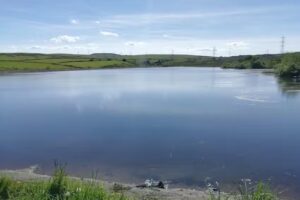
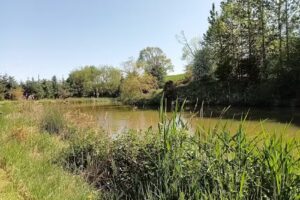
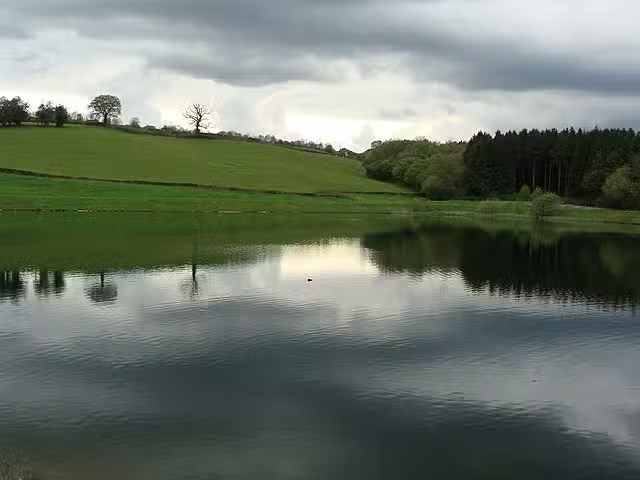
The quality of the water and the surrounding setting also contribute to the overall experience. Anglers coming for a day’s fishing often mention that the reservoirs provide a visually attractive backdrop, with enough space to find a comfortable spot along the bank. While not a wilderness, the surroundings feel relatively sheltered from the busiest urban pressures, and for many customers the combination of scenery and focused angling time is exactly what they are looking for. This makes Ynys-y-Fro a realistic choice for those who want to fit a session into a busy week without travelling long distances.
In practical terms, planning a visit requires some preparation. As a private fishery, access is tied to the relevant tickets or membership arrangements, and anglers are expected to familiarise themselves with bag limits and catch‑and‑release rules before they arrive. Some visitors come specifically aiming to reach their limit and take fish home, while others prefer to release part or all of their catch, depending on the conditions and their own preferences. The structure of limits and available tickets is designed to offer options for different budgets and time commitments, though anglers will need to check the latest details directly with the fishery.
Customer feedback also highlights the importance of managing expectations around pressure on the water. On popular days, particularly when conditions line up favourably and stocking has been recent, bank space can become busier, and more experienced anglers may notice fish becoming slightly more cautious as the day progresses. Those who are used to less pressured environments might find this a mild negative, as it demands more precise casting and more careful presentation. However, for many regular stillwater anglers, adapting to changing fish behaviour throughout the session is part of the challenge and a reason to refine their skills.
Although Ynys-y-Fro is not a retail venue in the strict sense, it sits firmly within the wider landscape of angling services that matter to local trout fishers. Visiting anglers will typically source their fishing tackle beforehand from their preferred fishing shop or tackle shop, turning up at the water with an assembled outfit and a box of tried‑and‑tested patterns. In that sense, the reservoir functions as the practical testing ground for gear and techniques purchased elsewhere, whether that is a new fly line, a different rod weight, or a freshly tied selection of imitative and attractor flies designed for stillwater trout.
Being a dedicated trout venue also means that Ynys-y-Fro does not attempt to be all things to all anglers. Those primarily interested in coarse species, predator fishing or family‑style mixed coarse sessions may find that the fishery’s setup does not match their expectations. There are no reports of extensive facilities aimed at non‑angling family members, and the atmosphere is oriented more towards focused fishing than casual picnicking or children’s play areas by the bank. For potential customers, this is neither inherently positive nor negative; it simply reflects a clear decision to prioritise one style of angling over broader recreational use.
Service quality is often as important as fish quality when evaluating a fishery, and here Ynys-y-Fro tends to score well. Anglers comment on the helpfulness of the people running the venue, particularly in terms of offering practical advice, maintaining a tidy environment and addressing questions about rules or recent stocking. This reduces the sense of uncertainty that can sometimes accompany visits to new waters, especially for those who might otherwise feel unsure about where to start. A polite, knowledgeable presence on site goes a long way toward making customers feel that their visit is valued, and feedback suggests Ynys-y-Fro largely manages this well.
There are, however, some limitations that prospective visitors should keep in mind. As with many stillwaters, weather can impact both comfort and catch rates, and there is no guarantee of easy fishing on every outing. Periods of high air pressure, extreme heat or very bright, still conditions can make the trout less willing to feed aggressively near the surface, and on such days even an apparently well‑stocked water can feel quiet. Anglers who approach the fishery with a realistic understanding of these natural variables, and who are prepared to adjust depth, retrieve speed and pattern choice, tend to report more satisfying results than those expecting instant action regardless of conditions.
Another recurring theme in feedback is the contrast between the reservoir as seen by anglers and as experienced by walkers. Non‑angling visitors sometimes express surprise at how tightly controlled access is, and those expecting a free‑to‑roam circular route may come away disappointed. This can be perceived as a negative if someone arrives without understanding the fishery’s remit. For anglers, though, the same restrictions can be a positive, protecting their concentration and preserving bankside safety by reducing the risk of lines crossing with casual passers‑by. The net effect is that Ynys-y-Fro works best for those who arrive with a rod rather than just a camera.
For potential customers considering whether this fishery suits their needs, it helps to think in terms of priorities. If the main aim is a dedicated session of trout fly fishing, with a realistic chance of connecting with stocked fish in the low‑ to mid‑single‑figure weight range, then Ynys-y-Fro offers a focused, well‑managed environment in which to do so. The presence of helpful staff, clear rules and a track record of productive sessions all work in the venue’s favour. The fact that several anglers have reported strong first visits is particularly encouraging for those thinking about trying stillwater trout fishing for the first time.
If, however, the goal is a multipurpose outing that combines long circular walks, open public access and a wide mix of angling styles, then the same features that make the reservoir effective as a private trout fishery may feel restrictive. There is no attempt here to market the site as a general leisure attraction, and customers should not expect the sort of facilities, public access or mixed‑use space that goes with that model. Evaluated on its own terms, Ynys-y-Fro performs solidly as a stocked trout venue; measured against the expectations of a broad countryside park, it naturally feels more limited.
Ultimately, Ynys-y-Fro Reservoir offers a clear proposition to the angling public: a controlled, trout‑focused fishery with friendly on‑site management, regular stocking and a realistic chance of a productive day on the bank. The positives for actively engaged anglers—good fish condition, supportive staff, manageable size and dedicated purpose—sit alongside the negatives for those looking instead for open public access or a more varied range of activities. For anyone weighing up where to spend their next day’s fishing, it stands as a practical option if what they want is precisely what it is set up to provide: focused stillwater trout angling in a managed, private environment.