Holyfield Fishery
BackHolyfield Fishery is a long‑established coarse fishing venue that appeals to anglers who enjoy characterful waters with a mix of challenge and reward rather than a highly commercial set‑up. Set around Fishers Green Cottage in Holyfield, it offers a traditional feel and caters to different levels of experience, from newcomers taking their first steps into coarse angling to more seasoned visitors targeting larger residents. Feedback over the years suggests that the fishery has its strengths and weaknesses, so anyone planning a session here benefits from understanding what the lakes offer in practice.
The venue consists of two main lakes, each with its own role and atmosphere. Regular visitors mention a water better suited to smaller fish and beginners, alongside a lake that holds larger carp and catfish for those looking for a more demanding session. This dual‑lake layout allows families or mixed‑ability groups to fish the same site without everyone needing the same level of tackle or experience. It also means that Holyfield Fishery can appeal both to casual anglers wanting a relaxed few hours and to more committed coarse and specimen anglers happy to put in time and effort for a bigger fish.
For many, the strongest attraction here is the stock of carp and catfish. Anglers who have fished the venue since childhood note that it “used to be amazing” but still praise the presence of plenty of good‑sized carp and sizeable catfish that continue to make sessions worthwhile. Catch reports include personal bests around the low‑twenties in pounds for common carp, indicating that the water is capable of producing memorable fish for the average angler who approaches it with suitable tactics. Those targeting bigger fish will want to come prepared with robust tackle, as the lakes are not snag‑free and any large fish hooked will need to be steered firmly away from obstacles.
The fishery has a reputation for offering a friendly, hands‑on approach from on‑site staff. Anglers highlight the bailiff Ian as particularly helpful, pointing out that he keeps an eye on the lakes, offers advice when asked and works to keep the banks well maintained. That personal presence can make a big difference to less experienced visitors who may need reassurance about rigs, bait choice or where to set up. It also helps with general atmosphere, as regulars appreciate a site where someone takes responsibility for standards on the bank, basic rules and the welfare of the fish.
Conditions at Holyfield Fishery are, however, not perfect, and this is frequently mentioned in feedback from regulars. One of the most common criticisms is the amount of underwater debris and snags. Some describe snags as more plentiful than the fish, with a lot of material lying on the lake bed. For anglers, this translates into lost end‑tackle, occasional fish that are difficult to extract from obstacles and the need to think carefully about line strength, hook patterns and how to play fish. Anyone visiting should be ready to fish locked‑up when necessary, keep rods attended at all times and use strong, abrasion‑resistant line to reduce both tackle loss and stress on the fish.
Despite these issues, many anglers still regard Holyfield Fishery as a pleasant, productive place for a day session. Families report good experiences fishing with children and note that the smaller‑fish lake in particular is well suited to youngsters or complete beginners, where bites tend to come more frequently and the fish are more manageable in size. The presence of two lakes means that a parent can introduce children to basic float fishing or light ledgering on one water while perhaps setting up a more serious carp rod on the other, all within the same venue.
In terms of facilities and access, the fishery presents itself as a straightforward angling destination rather than a full‑service holiday complex. The site is listed as having a wheelchair‑accessible entrance, which is an important consideration for anglers with mobility needs, although potential visitors in that situation may still wish to check in advance how close they can park to their chosen peg and what the ground is like in wet weather. The focus here is firmly on the fishing rather than on‑site catering or extensive non‑angling amenities, so anglers who expect cafés, tackle shops and showers on site may find the set‑up relatively basic.
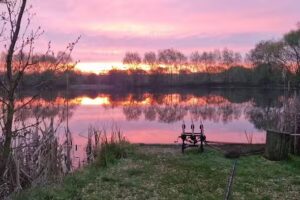
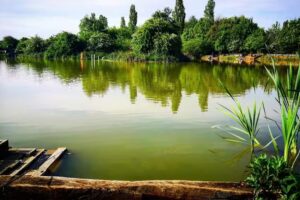
Holyfield Fishery benefits from a setting that provides a sense of space and nature, and photos shared publicly show tree‑lined banks and open water that many coarse anglers find appealing. The surroundings contribute to the atmosphere, particularly for those who value peace and the chance to disconnect from daily life while watching a float or waiting for a buzzer. That said, the naturalistic environment also explains some of the underwater obstacles and debris, which can form over time from fallen branches and other material, underlining the trade‑off between a more manicured commercial and a more natural‑looking fishery.
From a practical angling perspective, visitors mention that the lakes hold a “good head of fish”, suggesting that blank sessions are not the norm for those who are prepared and flexible. On more pressured days or in colder months, catches will depend heavily on presentation, bait choice and location, as on any venue that has seen a lot of angling pressure over the years. The presence of carp and catfish alongside other coarse species makes it suitable for a broad range of methods, from simple float tactics with maggots or sweetcorn through to dedicated specimen approaches with boilies, pellets and method feeders.
One of the advantages of a smaller, well‑known fishery like this is the accumulated local knowledge among regulars and staff. Anglers who have fished the venue for many years are often willing to pass on tips about productive swims, successful baits at different times of year and effective rig set‑ups for working around known snags. For newcomers, taking a few minutes to talk to staff or other anglers can significantly increase their chances of connecting with the better fish rather than losing gear in tricky areas of the lake. This community feel is part of the experience and helps balance out some of the structural drawbacks.
For potential visitors, it is important to weigh up the positives and negatives in a balanced way. On the positive side, Holyfield Fishery offers two lakes catering to different experience levels, a stock that still includes good‑sized carp and catfish, and helpful on‑site staff who work to keep the venue accessible and welcoming. Families and returning anglers value the familiarity and the opportunity to share a traditional coarse fishing day in a setting they know. On the downside, the presence of significant snags and debris on the lake bed, limited non‑angling facilities and the sense from some long‑time visitors that the fishing is not quite as prolific as it once was all need to be considered.
In comparison with heavily marketed commercial day‑ticket waters, Holyfield Fishery sits somewhere between a club‑style venue and a more open access coarse fishery. It does not present itself as a high‑pressure, trophy‑fish only water, nor as a heavily stocked pool where every cast results in a fish. Instead, it offers a middle ground where anglers willing to adapt to the conditions and respect the obstacles can still enjoy productive sessions targeting carp, cats and other coarse species. That positioning will suit some anglers very well and less so others, depending on whether they prioritise comfort and ease or character and challenge.
Given the recurring mentions of underwater debris, fish welfare is an important consideration for anyone choosing to fish here. Sensible use of tackle – including appropriately strong mainline, reliable hooks, landing nets of sufficient size and unhooking mats – helps minimise the risk of leaving fish tethered to snagged rigs. Awareness of where snags are located in each swim, gained either by speaking with regulars or by careful plumbing, can reduce avoidable losses. In that sense, Holyfield Fishery rewards anglers who put in a little extra thought before casting, paying attention not just to where the fish may be but also to how safely they can be played and landed.
For prospective customers looking for a place to spend a day or more focused session, Holyfield Fishery offers an experience built around straightforward coarse angling, decent fish and a familiar, community‑oriented environment. It will appeal to those who value a traditional style of venue where personal preparation, sensible tackle and a patient approach can still make the difference between a quiet day and a new personal best. Equally, anyone expecting a snag‑free, highly manicured commercial complex with extensive facilities should adjust their expectations or consider whether this particular fishery’s blend of strengths and flaws matches what they want from their next angling trip.