
Willowgate Trout & Salmon Fishery
BackWillowgate Trout & Salmon Fishery is a dedicated stillwater venue that aims to offer a complete day out for anglers, combining structured trout fishing, access to nearby salmon fishing on the River Tay and on-site hospitality in one compact site. The fishery sits beside a purpose-built activities centre and café, so it attracts both serious fly anglers and families looking for their first fishing experience in a managed environment. For anyone considering a visit, it is worth looking carefully at both the strengths and the recurring criticisms to decide whether this fishery suits the type of day and style of angling you have in mind.
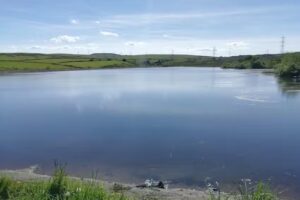
The core of Willowgate is a roughly nine‑acre lochan used for stocked rainbow trout and other stillwater species, laid out in an irregular shape with islands, a peninsula and a mix of boardwalks and bank fishing positions. This layout gives a variety of lies, depths and casting angles, which many anglers find far more engaging than a simple rectangular pond. Reports describe the water as very clear and generally shallow, with much of the loch no more than around six feet deep, so a floating line and relatively simple setups tend to be sufficient for most conditions rather than complicated sinking‑line systems more often associated with deep reservoirs. For newcomers to stillwater fly fishing, this can make the learning curve gentler while still providing enough challenge to keep more experienced rods interested.
Access along one side of the lochan is provided by a wooden boardwalk that allows anglers to move easily between stances without clambering over rough ground, and there is a bridge out to one of the islands that lets you cast into open water and along the drop‑offs. Elsewhere, anglers fish from cut back banks, wooden platforms and a long narrow peninsula that pushes out into the loch. Much of the margin is tree lined, which adds atmosphere but demands some care with back casts, especially for anyone new to fly fishing. The need to watch your backcast and line management is often mentioned by visitors; confident casters accept it as the price of a more natural setting, but beginners may find they snag more often here than at very open commercial waters.
From a rules perspective, Willowgate emphasises structured, responsible angling. The fishery is dedicated to fly fishing and float fishing only, with no groundbaiting and clear limits on the number and size of flies on the leader. Barbless or de‑barbed hooks are required on catch‑and‑release tickets, landing nets must be carried and disinfected in a dipping tank before fishing, and anglers are urged not to remove fish from the water when releasing them. First fish are to be retained on kill tickets until the bag limit is reached, only then switching to catch and release. This kind of framework appeals to anglers who value fish welfare and a more traditional approach to stillwater management; it also signals that the fishery expects a level of personal responsibility, with the option to remove anyone who ignores the rules.
The presence of lush weed growth along the bottom is a recurring theme. In clear, relatively shallow stillwaters, weed beds create habitat for natural food and give trout cover, which can improve sport when conditions are right. Some regulars note that Willowgate uses mechanical equipment to cut back excessive weed, suggesting the owners are actively managing the problem rather than leaving anglers to fight through dense vegetation unaided. However, not every visitor experiences it that way. A few critical reviews describe the loch as having more weed than water, with comments that it feels under‑maintained at times and that these conditions reduce available lies and make retrieving lures or flies frustrating. Prospective visitors who dislike weedy stillwaters may want to check current conditions before booking, particularly in mid‑summer when growth is strongest.
Stocking levels and catch expectations are where opinions diverge most sharply. Several anglers and family groups describe Willowgate as a peaceful, well‑kept and well‑stocked venue where they enjoy regular action for stocked trout, especially when visiting for instruction or taster sessions. Some report landing fish and seeing others hooked around them, describing their time as a relaxing yet productive day with enough activity to keep both adults and children engaged. On the other hand, there are recent reviews from disappointed visitors who say they saw little sign of fish moving, no visible rises and very few anglers on the water, concluding that the loch is not stocked as heavily as they expected and that it feels poor value when bites are scarce. As with many commercial fisheries, recent weather, angling pressure and stocking patterns can cause good days and quiet days; the key message is that expectations of near‑guaranteed catching are not always met.
For those looking for a gentle introduction to angling, the structured tuition offered at the wider Willowgate site is frequently praised. Family groups and complete beginners mention attentive instructors who take time to explain basic skills such as safe casting, playing fish and unhooking, along with simple rigging and the choice of bait or flies appropriate to the lochan. Some visitors arrive with no equipment at all and are guided through what they would need to buy for future trips, from rods and reels to lines and simple patterns. Parents note that staff are patient with children and focus on building confidence on the bank, which is particularly attractive if you want a supervised first fishing lesson rather than being left to work things out alone. This aspect can make Willowgate a strong option for those searching online for a family fishing day or an organised fishing taster experience.
Customer service around the fishery and café is highlighted positively by many visitors. Anglers mention a friendly fishery keeper willing to share information on which methods and areas are producing fish, along with up‑to‑date advice on flies and tactics for the conditions. Café staff are frequently described as polite, down to earth and efficient, serving a straightforward menu of soups, sandwiches, paninis, cakes and hot drinks. Being able to break up a session with a proper sit‑down meal or coffee is a strong advantage over more basic fisheries that offer nothing more than a hut and a kettle. Some anglers see this as a key reason to choose Willowgate for a more relaxed day where fishing is combined with social time, rather than a purely hard‑driving session focused on maximum catch numbers.
The setting around the lochan splits opinion less. Most visitors compliment the scenery, with open views over the water and the River Tay, complemented by the surrounding countryside. Some anglers comment that the nearby motorway bridge detracts slightly from the atmosphere, both visually and due to traffic noise, especially when compared with more remote hill lochs. For many, though, the convenience of being close to town and major roads outweighs this, and once they settle into casting and watching the water, the background hum fades into something they barely notice. Ultimately, whether this aspect is a drawback depends on whether you prioritise absolute quiet or are content with a semi‑rural commercial setting.
Value for money is another mixed area. Some anglers consider ticket prices fair and even good, particularly when factoring in the maintained paths, platforms, café access and the option to share a bag limit with a child on certain tickets. This family‑friendly approach stands out at a time when many commercial waters focus primarily on individual sport. Others, particularly those who have blank sessions or see few fish showing, feel the cost is hard to justify and would like to see clearer communication about stocking frequency and recent catch rates. On days when the fish are active, the cost per hour of genuine sport feels reasonable; on quiet days, the same price can feel steep, especially to those driving some distance purely for the fishing.
One of Willowgate’s additional selling points is the connection to managed stretches of the River Tay for salmon fishing. Although the trout lochan is a separate water, the same operators are involved in running salmon beats, and the fishery website focuses heavily on those river opportunities. For anglers who want to combine a stillwater session with bank fishing on a famous salmon river, this link can be appealing, even if it requires separate arrangements and tickets. It also means that staff are used to dealing with a broad range of anglers, from those focused on migratory fish to visitors who are more interested in an accessible afternoon catching rainbow trout close to the café.
Facilities around the water itself are generally considered adequate, but not perfect. The mix of platforms, boardwalks and bank stances means most anglers can find a spot to suit their casting style, and there is usually enough space spread around the lochan that it does not feel overcrowded. At the same time, some visitors note a shortage of clearly marked bins for waste such as old nylon, which matters for keeping the banks tidy and safe for wildlife. Periodic weed control and bank work appear to be carried out, but perceptions of how well this is maintained vary with the time of year and the individual visit. For anyone who places a high value on pristine, manicured surroundings, the experience may differ from expectations at heavily groomed commercial trout fisheries.
For potential visitors searching online for trout fisheries or stillwater trout fishing near Perth, Willowgate stands out as a multi‑purpose venue that tries to cater to both committed anglers and casual visitors. Its shallow, clear loch and structure‑rich layout provide interesting sport when fish are active, and the on‑site tuition and café make it accessible to newcomers and families. At the same time, the combination of weed growth, variable catch reports and occasional concerns about stocking levels means that experienced anglers may wish to treat it as a pleasant day out rather than a guaranteed bag‑filling water. Checking recent feedback, considering your priorities and perhaps starting with a shorter session or guided taster can help you judge whether this fishery matches the kind of trout fishing experience you are seeking.